

Load Tap Changer: Working Principle, Types, and Applications in Power Transformers
A load tap changer (LTC) is an important component in power transformers that helps regulate output voltage while the transformer remains energized and supplies electrical loads. In modern power systems, voltage levels can fluctuate because of changing electricity demand, transmission conditions, and variations in power generation. A reliable load tap changer allows utilities and industrial facilities to maintain stable voltage without interrupting power supply.
For transformer manufacturers, EPC contractors, utility companies, and industrial operators, understanding how a load tap changer works is essential when selecting transformers for substations, power plants, renewable energy projects, and large industrial facilities.
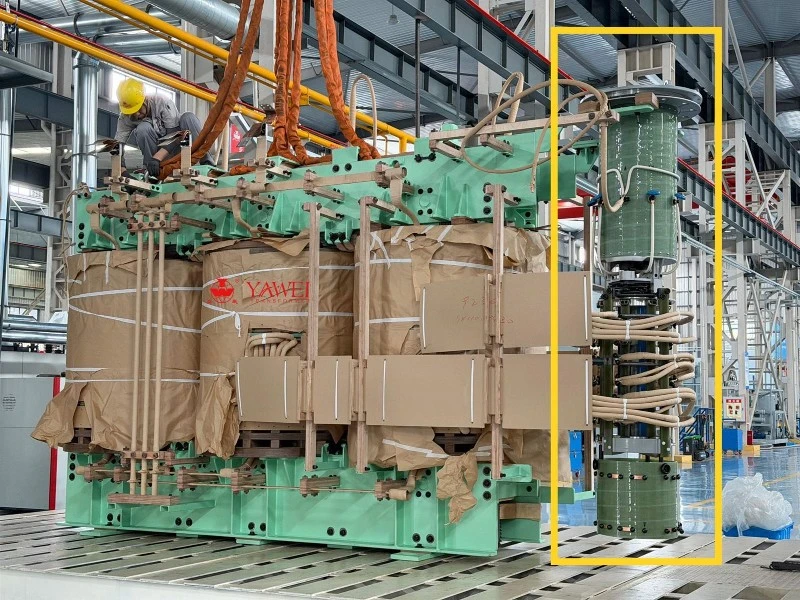
What Is a Load Tap Changer?
A load tap changer is a transformer component that adjusts the effective turns ratio of a winding while the transformer is carrying a load. By changing the winding connection point, it regulates the secondary voltage to compensate for variations in the incoming voltage or system load.
Unlike an off-circuit tap changer, which requires the transformer to be de-energized before adjustment, a load tap changer operates while the transformer remains in service. This capability is particularly valuable in applications where continuous power supply is essential.
Load tap changers are commonly installed in high-voltage power transformers, grid transformers, generator step-up transformers, and industrial transformers that require frequent or automatic voltage regulation.
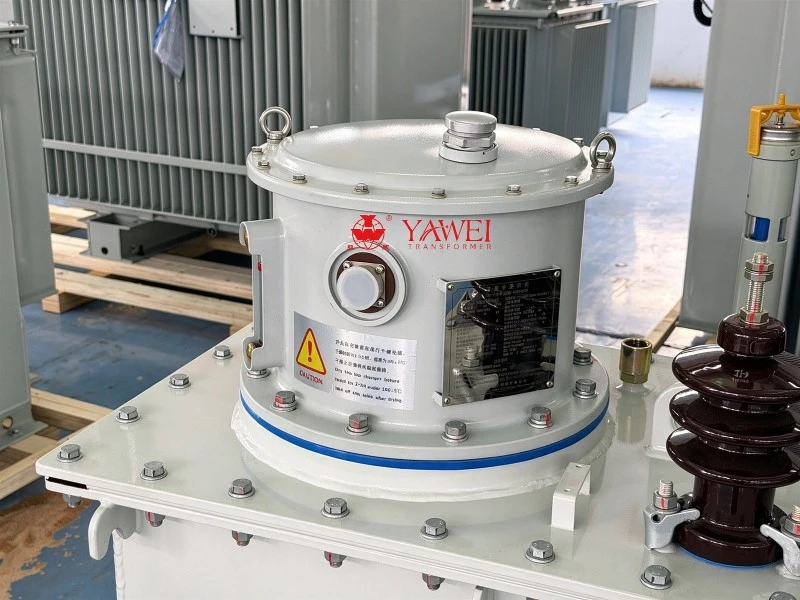
How Does a Load Tap Changer Work?
The operating principle of a load tap changer is based on changing the effective number of turns in a transformer winding. According to the transformer turns ratio, adjusting the number of active winding turns changes the voltage ratio between the primary and secondary sides.
When the system voltage moves away from its target range, a voltage regulator or automatic voltage control system can send a command to the tap changer. The mechanism then moves from one tap position to another to increase or decrease the effective winding turns.
However, changing taps under load requires careful control. If two adjacent tap positions were connected directly during switching, circulating currents could flow between them because of the voltage difference. A load tap changer therefore uses a switching arrangement, commonly involving transition resistors or reactors, to transfer the load current safely between positions.
The transition process is designed to maintain power supply while limiting switching currents and reducing electrical stress on the transformer.
Main Types of Load Tap Changers
Load tap changers are available in different designs to meet transformer capacity, voltage level, operating frequency, and maintenance requirements.
Resistive Load Tap Changer
A resistive load tap changer uses transition resistors to limit circulating current during the change between tap positions. It is widely used in power transformers and provides a compact switching arrangement with relatively fast operation.
The switching contacts and transition components must withstand electrical and thermal stresses during operation. Proper maintenance is important to prevent contact wear and ensure reliable switching performance.
Reactor-Type Load Tap Changer
A reactor-type load tap changer uses a transition reactor to limit circulating current between adjacent taps. Depending on the design, the reactor can remain in the circuit during normal operation.
This arrangement is suitable for particular transformer designs and operating conditions, although the additional components and circuit configuration influence equipment size and cost.
Vacuum Load Tap Changer
A vacuum load tap changer uses vacuum interrupters to perform switching operations. Because the switching arc is interrupted inside a vacuum chamber, contact erosion and contamination of the switching medium can be reduced in appropriately designed systems.
Vacuum technology can help reduce maintenance requirements, depending on the design and operating conditions. However, insulation coordination, switching performance, and manufacturer specifications must still be evaluated carefully.
Load Tap Changer vs. Off-Circuit Tap Changer
The main difference between a load tap changer and an off-circuit tap changer is whether voltage adjustment can take place while the transformer is energized and carrying a load.
| Feature | Load Tap Changer | Off-Circuit Tap Changer |
|---|---|---|
| Adjustment condition | Transformer remains in service | Transformer must be de-energized |
| Voltage regulation | During operation | During shutdown |
| Initial cost | Generally higher | Generally lower |
| Mechanical complexity | More complex | Simpler |
| Maintenance | Requires inspection of switching components | Usually less demanding |
| Typical applications | Grid substations and critical industrial loads | Distribution and applications with infrequent adjustment |
A load tap changer is generally preferred when voltage must be regulated continuously or frequently. An off-circuit tap changer may be more economical when the system voltage remains relatively stable and adjustments are infrequent.
Applications of Load Tap Changers
Load tap changers are widely used in electrical infrastructure where voltage stability directly affects equipment performance and power quality.
In transmission and distribution substations, they help maintain suitable voltage levels as electricity demand changes throughout the day. In power plants, generator step-up transformers may use load tap changers to support system voltage control, depending on the grid connection and control strategy.
Industrial facilities, including steel plants, chemical plants, and large manufacturing operations, can also benefit from transformer voltage regulation. Data centers and other critical facilities may require tightly controlled voltage conditions, although the choice of transformer regulation method depends on the electrical architecture and redundancy requirements.
Renewable energy projects introduce additional voltage-control challenges because solar and wind generation varies with weather and operating conditions. Transformers equipped with suitable load tap changers can support voltage regulation at grid interconnection points when required by the system design.
Maintenance and Selection Considerations
Selecting the right load tap changer requires more than matching the transformer's rated voltage and capacity. Engineers should consider the required voltage regulation range, number of tap positions, switching frequency, rated through-current, short-circuit withstand capability, and compatibility with the transformer winding arrangement.
The installation environment also matters. Oil-immersed load tap changers require appropriate insulation and switching-medium management, while vacuum-based designs have their own inspection and service requirements.
Routine maintenance should follow the manufacturer's recommendations and the actual operating conditions. Depending on the design, maintenance may include checking contact wear, inspecting the drive mechanism, testing the control system, monitoring switching performance, and evaluating insulating oil condition. Abnormal operating noise, switching delays, or voltage regulation problems should be investigated promptly.
Automatic voltage regulators should also be checked to ensure that the target voltage, control delays, operating limits, and parallel-transformer coordination settings are appropriate. Incorrect control settings can cause unnecessary tap operations or unstable voltage regulation.
Choosing a Reliable Transformer Manufacturer
A well-designed load tap changer helps improve voltage regulation and operational flexibility, but overall performance also depends on transformer design, insulation quality, winding construction, cooling capacity, and protection systems.
Jiangsu Yawei Transformer Co., Ltd., established in 1993, is a transformer manufacturer serving power infrastructure and industrial applications.
When sourcing a transformer with a load tap changer, buyers should work with the manufacturer to confirm the required voltage range, tap-changing arrangement, operating duty, control interface, applicable standards, and maintenance provisions.
For utility projects, industrial power systems, and renewable energy installations, specifying the right transformer and tap-changing equipment at the design stage can help reduce operating risks and support long-term reliability.
Need a power transformer with a load tap changer? Contact the Yawei Transformer engineering team to discuss your voltage regulation requirements, transformer ratings, and project specifications.
Conclusion
A load tap changer enables a power transformer to adjust its turns ratio while continuing to supply electrical loads. By maintaining voltage within the required operating range, it supports stable power delivery across transmission networks, industrial facilities, and renewable energy projects.
Understanding its working principle, available technologies, and maintenance requirements helps engineers and procurement teams select transformer equipment that matches their system needs. For applications requiring dependable voltage control, the load tap changer remains a key consideration in power transformer specification and design.
FAQ
Q: How soon can you delivery the transformer?
A: It depends on the quantity and capacity of the transformer, normally within one month since the date drawing confirmed by buyer.
Q: How long can you provide the quality warranty?
A: 24 months since the date transformer operated.
Q: What payment method do you accept?
A: T/T (wire transfer) preferred, L/C both accepted.


