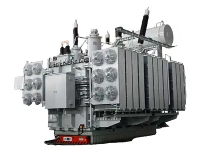
Transformers Are Specifically Sized to the Motor Drive kVA Requirements
In industrial power systems, selecting the right transformer is essential for reliable motor operation, energy efficiency, and equipment protection. Transformers are specifically sized to the motor drive kVA requirements to ensure that the electrical system can handle motor loads, starting currents, and changing operating conditions. An undersized transformer may experience excessive voltage drop or overheating, while an oversized unit can increase initial investment and operating costs.
For industrial facilities, choosing a suitable transformer requires an understanding of motor drive characteristics, load profiles, power factor, and the electrical requirements of the application.
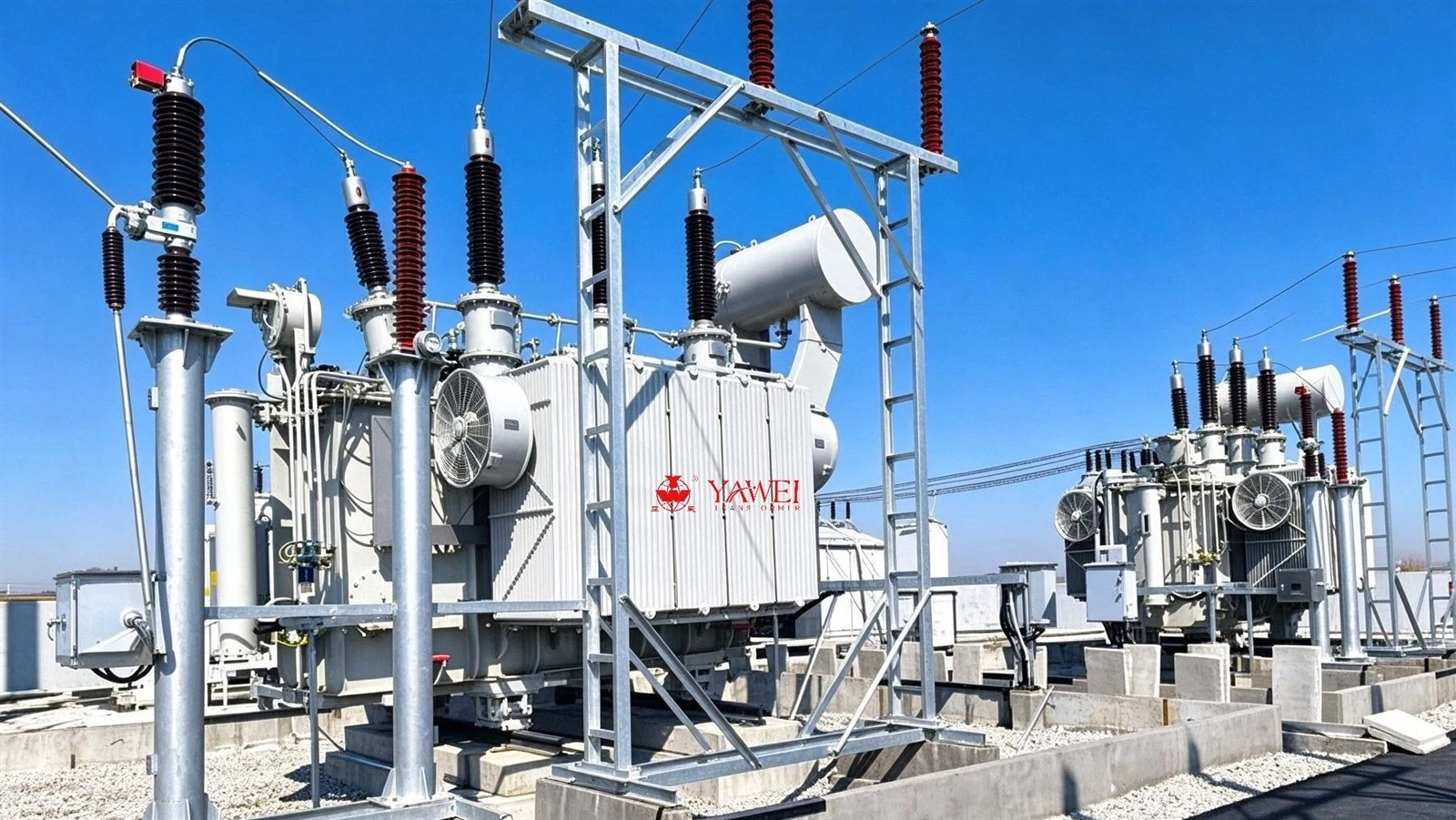
Why Are Transformers Sized to Motor Drive kVA Requirements?
Motor drives, including variable frequency drives (VFDs), are widely used in pumps, fans, compressors, conveyors, and manufacturing equipment. These systems convert electrical power into controlled motor operation, but their demand can vary significantly depending on the application.
Transformer capacity is generally expressed in kilovolt-amperes (kVA), which represents apparent power. Unlike kilowatts (kW), which measure real power, kVA also accounts for the relationship between voltage, current, and power factor.
When transformers are specifically sized to the motor drive kVA requirements, engineers can better match the power supply to the connected equipment. The selection should consider the drive's rated input current, operating voltage, power factor, harmonic characteristics, and expected loading conditions.
Motor starting methods also matter. Across-the-line starting can produce high inrush currents, while VFDs typically control motor acceleration and reduce the direct starting impact on the electrical supply. However, drive input characteristics and harmonic currents may introduce other transformer sizing considerations.
Key Factors in Motor Drive Transformer Sizing
Motor Drive Rated Power and Input Current
The first consideration is the motor drive's electrical rating. Engineers should review the manufacturer's nameplate and technical documentation, including rated input voltage, current, power, and duty cycle.
A basic three-phase apparent power calculation is:
kVA = √3 × Voltage × Current ÷ 1,000
Here, voltage refers to line-to-line voltage, and current is the corresponding line current. The result provides a useful starting point for estimating the electrical load, but the final transformer rating must account for the actual drive input characteristics and application requirements.
Starting Current and Load Fluctuations
Industrial motors do not always operate at a constant load. Pumps may experience changing flow requirements, compressors can cycle under varying demand, and conveyor systems may have different loading conditions during startup and normal operation.
Although variable frequency drives can reduce starting stress, engineers still need to evaluate peak input demand, acceleration settings, and simultaneous operation of multiple drives. These factors influence transformer capacity and voltage regulation requirements.
Harmonics and Power Quality
VFDs and other power electronic equipment can introduce harmonic currents into an electrical system. Depending on the drive design, loading, and installation, these harmonics may increase transformer losses and temperature rise.
In applications with substantial nonlinear loads, engineers may evaluate harmonic mitigation, transformer derating, or designs intended for the specific electrical duty. Proper assessment helps support reliable operation and maintain acceptable power quality.
Choosing the Right Transformer for Motor Drives
Selecting a motor drive transformer involves more than matching the motor's horsepower to a standard transformer rating. The transformer must be compatible with the drive's input voltage, required capacity, operating environment, and electrical performance requirements.
Dry-type transformers are often considered for indoor industrial installations where fire safety, ventilation, and maintenance requirements are important. Oil-immersed transformers may be suitable for outdoor installations and larger power distribution applications, depending on site conditions and project specifications.
Engineers should also consider ambient temperature, installation altitude, enclosure protection, cooling method, impedance, and expected future load growth. For facilities operating several motors simultaneously, the combined demand and load diversity can significantly affect the required transformer capacity.
Yawei Transformer Solutions for Industrial Applications
Jiangsu Yawei Transformer Co., Ltd., established in 1993, provides transformer solutions for power distribution and industrial applications. As a transformer manufacturer with extensive industry experience, Yawei supports projects requiring different voltage levels, capacities, and installation configurations.
For motor drive applications, transformer selection should be based on verified electrical data rather than motor horsepower alone. Matching the transformer to the drive's kVA requirements helps establish a reliable foundation for industrial power systems, while appropriate design and engineering review support long-term operating performance.
Conclusion
The principle that transformers are specifically sized to the motor drive kVA requirements reflects an important part of industrial electrical system design. Rated input current, power factor, harmonics, load variation, and operating conditions all influence the final selection.
By evaluating these factors together, facility operators and electrical engineers can choose transformers that provide suitable capacity, stable voltage, and dependable service for motor-driven equipment. Working with an experienced transformer manufacturer can also help ensure that the selected solution meets the project's technical and operational requirements.
FAQ
Q: How soon can you delivery the transformer?
A: It depends on the quantity and capacity of the transformer, normally within one month since the date drawing confirmed by buyer.
Q: How long can you provide the quality warranty?
A: 24 months since the date transformer operated.
Q: What payment method do you accept?
A: T/T (wire transfer) preferred, L/C both accepted.