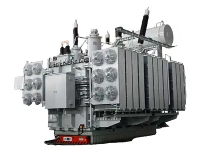
What Does a Transformer Do? Functions, Types, and Applications
Electrical transformers are essential components of modern power systems, helping electricity travel efficiently from power plants to homes, commercial buildings, and industrial facilities. But what does a transformer do, and why is it so important for reliable power distribution?
An electrical transformer transfers electrical energy between circuits through electromagnetic induction. Its primary function is to change AC voltage levels, either increasing voltage for efficient long-distance transmission or reducing voltage for safe and practical use. Transformers also support electrical isolation, voltage regulation, and reliable power delivery across different applications.
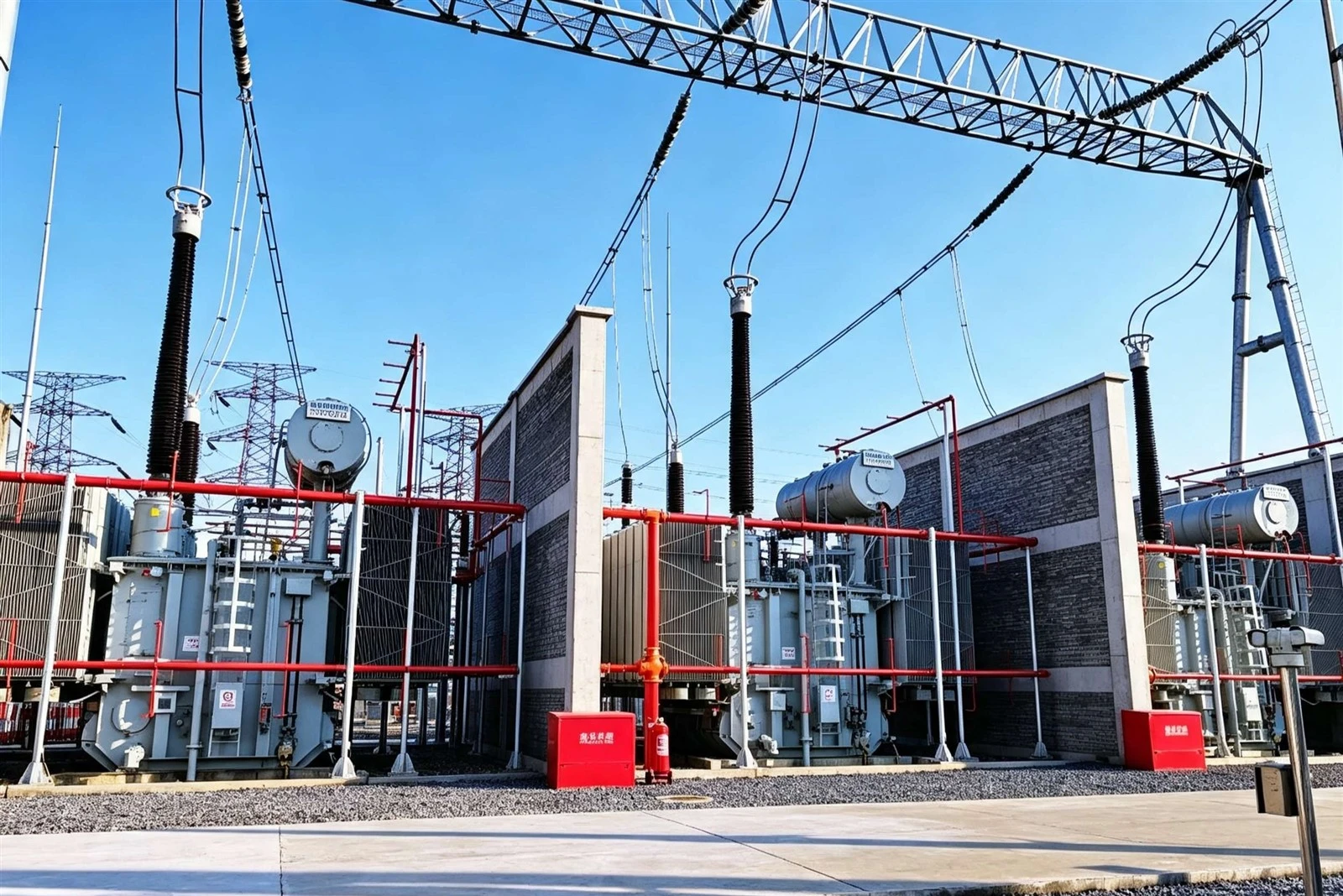
What Does a Transformer Do in an Electrical System?
To understand what a transformer does, it helps to look at how electricity moves through the power grid. Electricity is often generated at power stations and must travel long distances before reaching end users. However, transmitting electricity at low voltage would result in greater current and higher resistive power losses.
A transformer solves this problem by adjusting the voltage to suit different stages of the electrical system. At a power station, a step-up transformer raises the voltage before electricity enters the transmission network. Near cities, factories, and commercial facilities, substations use step-down transformers to reduce the voltage to suitable distribution levels. (Step-Up vs. Step-Down Transformers)
Transformers do not generate electricity or consume it in the same way as electrical loads. Instead, they transfer energy between circuits while changing voltage and current according to their design. This makes them a fundamental part of power transmission, distribution, and industrial electrical infrastructure.
How Does an Electrical Transformer Work?
Most power transformers operate through electromagnetic induction.  A typical transformer consists of a magnetic core, a primary winding, and a secondary winding. These components work together to transfer energy from one electrical circuit to another.
When alternating current flows through the primary winding, it produces a changing magnetic field in the core. This magnetic field induces a voltage in the secondary winding. The voltage ratio depends mainly on the number of turns in each winding.
For an ideal transformer, the relationship can be expressed as:
Vs / Vp = Ns / Np
Here, Vs and Vp represent the secondary and primary voltages, while Ns and Np represent the corresponding winding turns.
If the secondary winding has more turns than the primary winding, the transformer increases voltage. If it has fewer turns, the transformer decreases voltage. In practical applications, a transformer also experiences losses caused by winding resistance, core magnetization, and other operating factors, so its efficiency and thermal performance are important design considerations.
Main Functions of a Transformer
1. Increasing Voltage for Power Transmission
One of the most important transformer functions is stepping up voltage. For a given power level, increasing voltage reduces the current required to transmit electricity. Lower current helps reduce resistive losses in transmission lines and can improve the overall efficiency of the power network.
High-voltage and extra-high-voltage transformers are therefore widely used in utility substations and large power generation projects.
2. Reducing Voltage for Power Distribution
Most electrical equipment cannot connect directly to high-voltage transmission networks. Step-down transformers reduce voltage to levels appropriate for local distribution and end-use applications.
Distribution transformers supply electricity to residential neighborhoods, commercial buildings, and smaller industrial facilities. Larger power transformers serve substations, manufacturing plants, and other facilities with substantial electrical demand.
3. Providing Electrical Isolation
Some transformers are designed to provide electrical isolation between the input and output circuits. Isolation transformers can help separate circuits, reduce the transfer of certain electrical disturbances, and support equipment protection when properly integrated into a complete electrical system.
Their use depends on the application's grounding arrangement, insulation requirements, and applicable safety standards.
4. Supporting Voltage Control and Power Quality
Voltage fluctuations can affect motors, control systems, and sensitive electrical equipment. Transformers equipped with tap changers can adjust their winding ratios to help maintain suitable voltage levels as system conditions change.
On-load tap changers adjust voltage while the transformer remains energized and supplies its load. Off-circuit tap changers require the transformer to be de-energized before adjustment. Correct selection depends on load variation, grid conditions, and operational requirements.
Common Types of Electrical Transformers
Different applications require different transformer designs. Power transformers are commonly installed in transmission networks and large substations, while distribution transformers reduce voltage for local electricity supply.
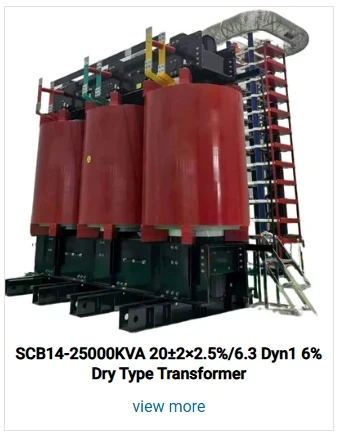
Dry-type transformers use air and solid insulation rather than liquid insulation. They are often selected for indoor installations, commercial buildings, hospitals, and data centers where fire safety, environmental considerations, and installation conditions are important.
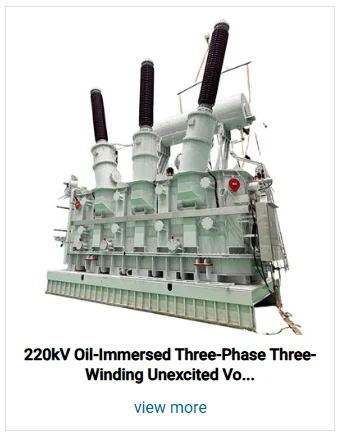
Oil-immersed transformers use insulating liquid for dielectric insulation and heat transfer. They are widely applied in utility substations, industrial plants, renewable energy projects, and outdoor distribution networks.
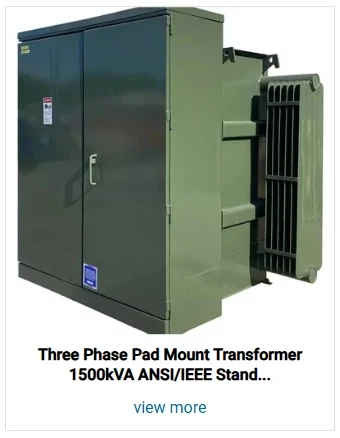
Pad-mounted transformers are typically installed at ground level inside secure enclosures and are commonly used in underground distribution systems. Pole-mounted transformers provide distribution voltage conversion in overhead power networks.
For renewable energy facilities, specialized transformers connect solar photovoltaic systems, wind farms, and battery energy storage systems to collection networks or utility grids.
Where Are Transformers Used?
Transformers are found throughout modern electrical infrastructure. Utility companies use them in transmission substations and distribution networks to deliver electricity at appropriate voltage levels. Industrial facilities rely on transformers to supply production lines, large motors, and specialized machinery.
Commercial buildings, shopping centers, hospitals, and data centers also depend on transformers for reliable power distribution. In data centers, transformer selection must account for electrical capacity, redundancy, efficiency, harmonic loading, cooling, and future expansion.
Renewable energy projects require transformers to connect power generation equipment to medium-voltage collection systems or the utility grid. In each application, the correct transformer rating and configuration help ensure dependable operation.
How to Choose the Right Transformer
Selecting a transformer involves more than matching its rated capacity to the expected load. Buyers and electrical engineers should evaluate primary and secondary voltages, kVA or MVA rating, frequency, phase configuration, insulation system, cooling method, impedance, temperature rise, and installation environment.
Applicable standards, energy-efficiency requirements, short-circuit withstand capability, protection systems, and maintenance needs should also be considered. Projects with fluctuating loads or future expansion plans may require additional capacity or specific voltage-control features.
Working with an experienced transformer manufacturer can help project teams confirm technical specifications, installation requirements, and delivery expectations before placing an order.
Reliable Transformer Solutions from Yawei
Jiangsu Yawei Transformer Co., Ltd., a subsidiary of Yawei Group, was established in 1993 and has more than 30 years of transformer manufacturing experience. The company provides transformer solutions for power grids, industrial facilities, renewable energy projects, and other electrical infrastructure applications.
Whether a project requires an oil-immersed power transformer, a dry-type transformer, a distribution transformer, or a customized solution, choosing the right design is essential for long-term performance and operational reliability.
Looking for a transformer for your next project? Contact Yawei to discuss your voltage requirements, rated capacity, application conditions, and technical specifications. Our team can help you identify a suitable transformer solution for your power distribution needs.
FAQ
Q: How soon can you delivery the transformer?
A: It depends on the quantity and capacity of the transformer, normally within one month since the date drawing confirmed by buyer.
Q: How long can you provide the quality warranty?
A: 24 months since the date transformer operated.
Q: What payment method do you accept?
A: T/T (wire transfer) preferred, L/C both accepted.