

Transformers Blowing: Causes, Warning Signs, and How to Prevent Transformer Failure
Transformers blowing is a serious electrical problem that can interrupt power distribution, damage connected equipment, and create safety risks for industrial facilities, commercial buildings, and utility networks. Although transformers are designed to operate reliably under demanding conditions, electrical faults, excessive loads, insulation deterioration, and poor maintenance can eventually lead to transformer failure.
Understanding why transformers blow, recognizing early warning signs, and taking preventive measures can help operators reduce downtime and improve the reliability of their electrical systems. For procurement teams and electrical engineers, selecting a properly designed transformer from an experienced manufacturer is also an important step toward long-term operational stability.
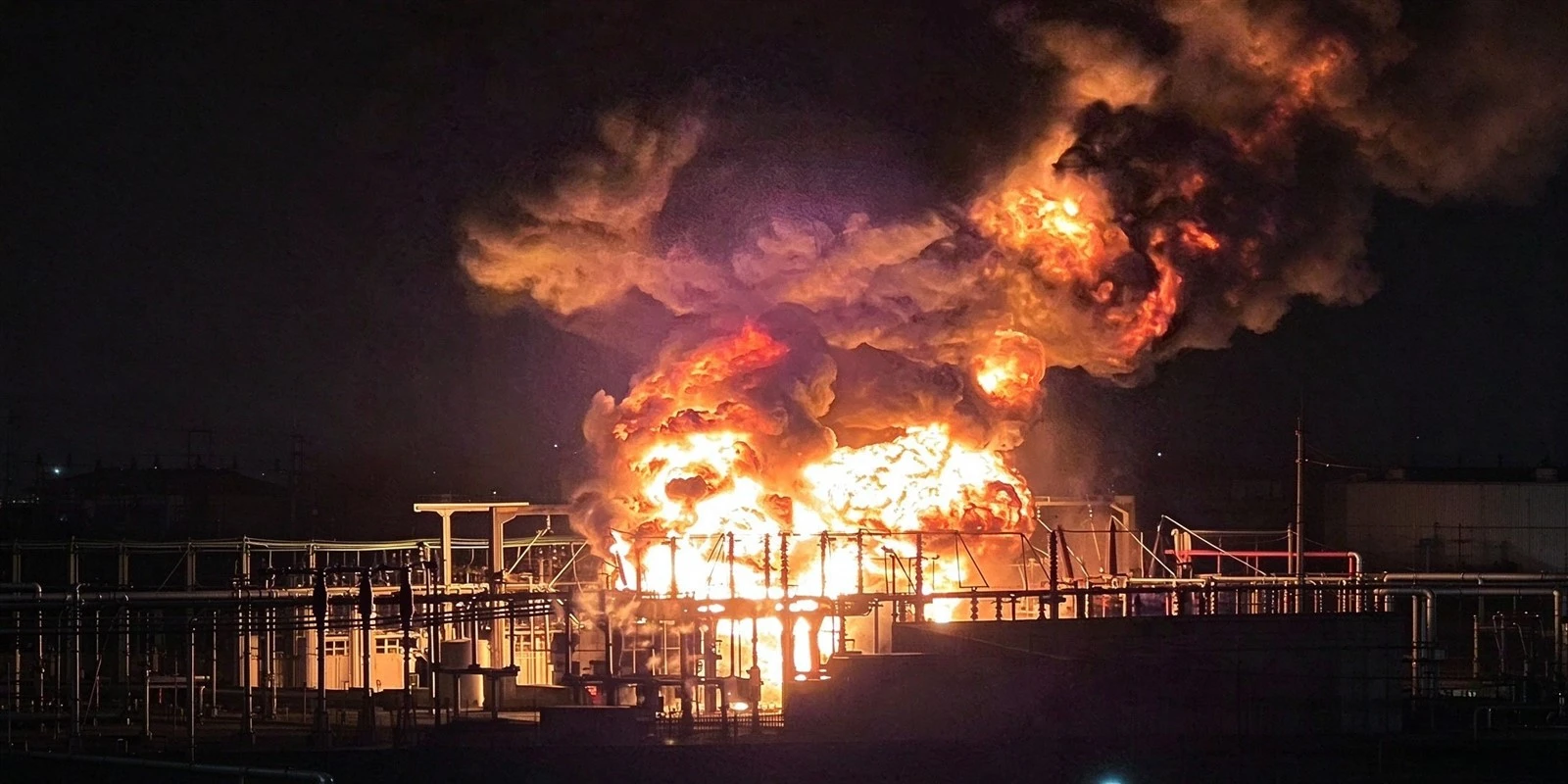
What Does It Mean When a Transformer Blows?
When people describe a transformer as "blowing," they usually mean that it has experienced a sudden electrical or mechanical failure. The event may involve a loud bang, visible sparks, smoke, an oil leak, or an explosion in severe cases. Protective devices may trip and disconnect the transformer from the power supply.
However, not every transformer failure produces an explosion. Some transformers fail internally without dramatic external signs, while others are disconnected by protective relays before significant damage occurs.
The consequences depend on the transformer's design, voltage level, insulation system, operating conditions, and the nature of the fault. Oil-immersed transformers and dry-type transformers can both fail, although their failure mechanisms and associated fire risks differ.
Common Causes of Transformers Blowing
1. Overloading and Excessive Heat
Overloading is one of the common causes of transformer damage.  When a transformer supplies more current than its rated capacity can safely support, winding losses increase and internal temperatures rise. Prolonged overheating accelerates insulation aging and can eventually cause winding failure.
Industrial facilities, data centers, EV charging stations, and renewable energy installations may experience rapidly changing loads. If transformer capacity is not matched to actual demand, repeated overloads can shorten equipment life.
Proper load calculations, suitable transformer sizing, and temperature monitoring help reduce this risk.
2. Short Circuits and Electrical Faults
A short circuit can produce extremely high currents within a very short time. These currents generate intense heat and substantial electromagnetic forces that may deform windings, damage insulation, and compromise internal connections.
External faults in cables, switchgear, or connected equipment can also expose a transformer to damaging electrical stresses. Correctly coordinated circuit breakers, fuses, and protective relays are essential for detecting faults and isolating the affected equipment quickly.
3. Insulation Failure
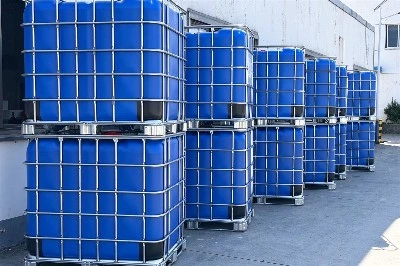
Transformer insulation separates energized components and prevents unwanted current paths. Over time, insulation can deteriorate because of heat, moisture, electrical stress, contamination, and aging.
In oil-immersed transformers, degraded insulating oil may lose some of its dielectric strength. In dry-type transformers, moisture, dust accumulation, and inadequate ventilation can contribute to insulation problems.
Regular inspections and appropriate electrical tests help identify deterioration before it develops into a major failure.
4. Lightning and Voltage Surges
Lightning strikes and switching operations can generate transient overvoltages that stress transformer windings and insulation. Without suitable surge protection and grounding arrangements, these events may cause partial discharge, insulation breakdown, or immediate equipment damage.
Surge arresters, effective grounding, and  insulation coordination are important considerations when designing reliable power distribution systems.
5. Poor Maintenance and Environmental Conditions
Blocked cooling passages, damaged cooling fans, loose electrical connections, leaking seals, and corroded components can all contribute to transformer failure. High ambient temperatures and inadequate ventilation may make these problems worse.
Transformers installed outdoors also need appropriate protection against water ingress, dust, corrosive environments, and other site-specific hazards.
Warning Signs Before a Transformer Blows
Some transformer failures occur suddenly, but others develop gradually. Recognizing abnormal operating conditions can provide an opportunity to intervene before a serious incident occurs.
Common warning signs include unusual humming, crackling, excessive vibration, rising operating temperatures, repeated protective trips, visible oil leakage, discoloration, and burning odors. For oil-filled equipment, abnormal oil levels or concerning dissolved-gas analysis results may also indicate developing internal faults.
These symptoms do not always mean that a transformer is about to fail. However, they should be investigated by qualified electrical personnel rather than ignored.
If a transformer produces smoke, sparks, a burning smell, or signs of an electrical arc, keep clear of the equipment and follow the site's emergency procedures. Do not approach or attempt to repair energized equipment.
How to Prevent Transformers from Blowing
Preventing transformer failure starts with proper engineering and continues throughout the equipment's service life.
First, select a transformer with a suitable rated capacity, primary and secondary voltages, impedance, cooling method, and insulation system. Engineers should evaluate expected peak loads, future expansion, ambient temperature, harmonics, and installation conditions instead of relying only on average power consumption.
Second, establish a maintenance program based on the manufacturer's recommendations and applicable standards. Depending on the transformer type, this may include visual inspections, thermographic surveys, insulation resistance testing, winding resistance measurements, oil quality testing, and dissolved-gas analysis.
Third, verify that protective devices are correctly selected, configured, and coordinated. Overcurrent protection, differential protection, temperature alarms, and pressure-related protection may be appropriate depending on the transformer design and application.
Finally, maintain adequate ventilation and cooling. Cooling fans, radiators, air passages, and other heat-dissipation components should remain in good working condition. Early detection of abnormal temperatures can help prevent thermal damage.
Choosing a Reliable Transformer Manufacturer
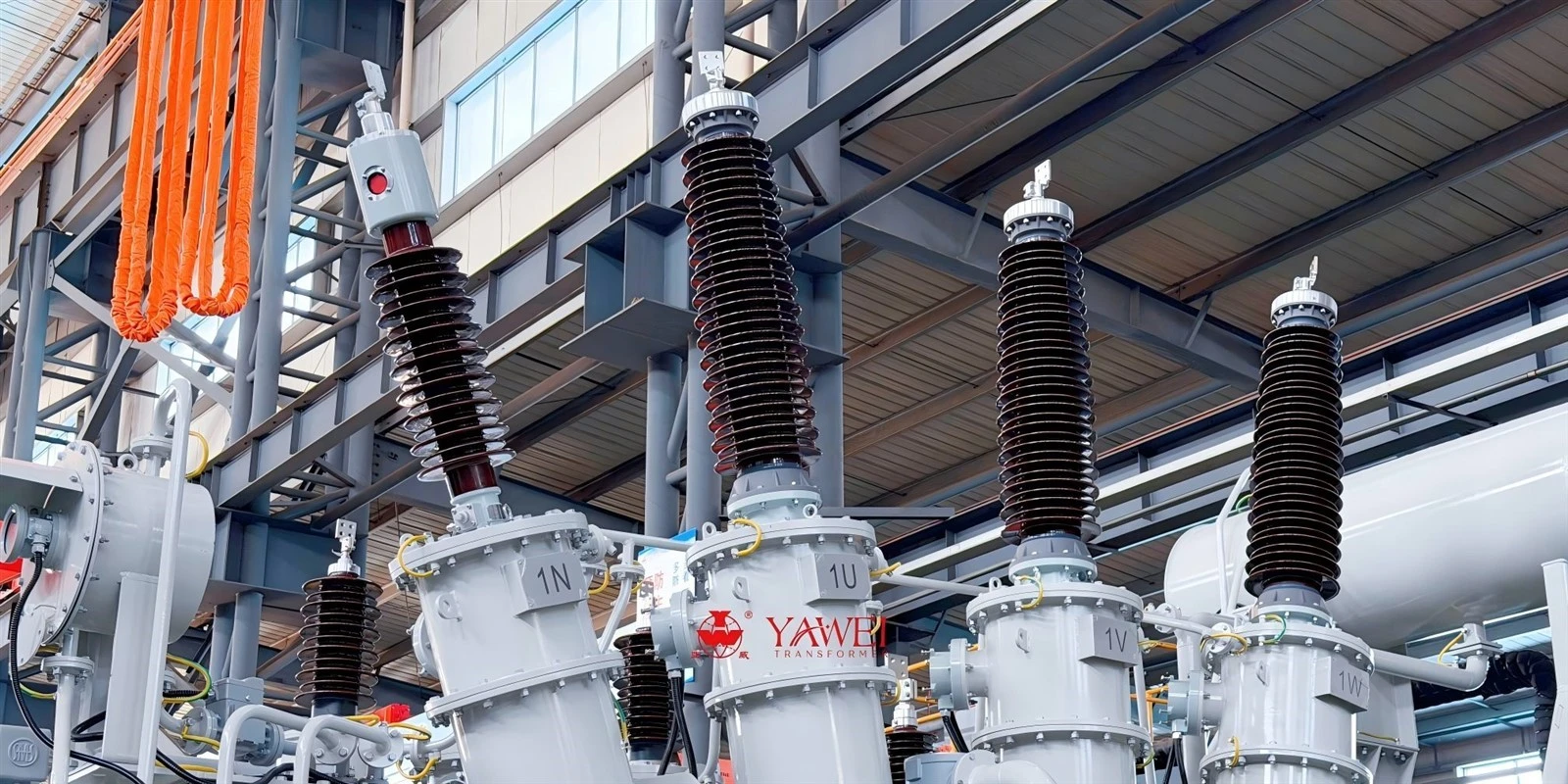
Transformer reliability begins long before installation. Manufacturing quality, insulation design, winding construction, cooling performance, material selection, and factory testing all influence how well a transformer performs in service.
Jiangsu Yawei Transformer Co., Ltd., established in 1993, is a national high-tech enterprise and a subsidiary of Yawei Group, with more than 30 years of transformer manufacturing experience. The company provides transformer solutions for power distribution, industrial facilities, renewable energy projects, and other electrical applications.
When evaluating a transformer supplier, buyers should review technical specifications, applicable standards, routine and type-test documentation where relevant, quality control procedures, delivery capability, and after-sales support. A well-matched transformer can help reduce unexpected outages, protect connected equipment, and support dependable power delivery.
Conclusion
Transformers blowing can result from overloading, short circuits, insulation deterioration, voltage surges, or inadequate maintenance. While not every failure can be prevented, proper equipment selection, effective protection, regular inspections, and timely troubleshooting can significantly reduce the risk.
For utilities, EPC contractors, and industrial operators, investing in a reliable transformer and a practical maintenance strategy is often far less costly than dealing with an unexpected power outage.
Looking for a reliable transformer for your project? Contact Yawei Transformer to discuss your application, voltage requirements, capacity, operating environment, and customized transformer solutions.
FAQ
Q: How soon can you delivery the transformer?
A: It depends on the quantity and capacity of the transformer, normally within one month since the date drawing confirmed by buyer.
Q: How long can you provide the quality warranty?
A: 24 months since the date transformer operated.
Q: What payment method do you accept?
A: T/T (wire transfer) preferred, L/C both accepted.


