The explosive growth of data centers-fueled by cloud computing, AI workloads, and all this digital transformation stuff-has put some serious strain on electrical infrastructure. At the core of these facilities, you've got power control systems working hand-in-glove with transformers to keep the lights on and the servers humming. And I'm not just talking about flipping a switch; these systems juggle utility feeds, backup generators, and complex load distribution like it's no big deal. Without them, mission-critical operations would be dead in the water.

Why Transformers Matter in Data Centers
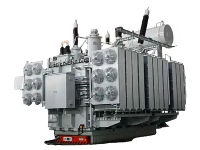
Think of transformers as the unsung heroes of data center power distribution. Their main gig? Taking high- or medium-voltage juice from the grid (say, 13.8 kV or higher) and stepping it down to something usable-typically 480V or 400V AC-for servers, UPS units, and PDUs.
But here's the thing: today's data centers aren't your average server closets. They're beasts. Transformers now have to handle:
Crazy power densities-especially with AI-driven GPU clusters that can pull hundreds of kilowatts per rack. Yeah, per rack.
Harmonic distortion from all those non-linear IT loads, which creates excess heat and eats into efficiency.
Redundancy requirements-think N+1 or 2N setups-because downtime is not an option.
Traditional liquid-filled or dry-type transformers still do the basics: isolation, voltage regulation, fault protection. But the bar keeps rising. We're seeing more advanced designs roll out-better thermal management (aramid insulation, triangular cores), digital monitoring for predictive maintenance, that sort of thing. It's not just about stepping voltage down anymore.

How Power Control Systems Fit In
Now, power control systems-often rolled out as paralleling switchgear-take transformer performance up a notch. They're not your basic automatic transfer switches. These systems coordinate multiple power sources: synchronizing generators, managing load sharing, and making the transition between utility and backup power feel seamless.
Here's what they actually do in a data center:
Generator paralleling: Multiple diesel or gas generators run in parallel to handle heavy loads or provide backup. The PCS handles the nitty-gritty-synchronizing voltage, frequency, and phase-plus automatic load shedding, adding, and peak shaving.
Power management and monitoring: Real-time control of bus ties, utility interconnections, and distribution feeders. Hook it up with SCADA or a building management system, and you've got optimized operations.
Fault protection and reliability: Fancy protection relays and controls help minimize downtime when things go wrong or during maintenance.
Scalability: Modular PCS designs make future expansions way less painful-no need for a complete overhaul.
In a typical Tier III or IV facility, these systems coordinate with main transformers, medium-voltage switchgear, UPS units, and PDUs. The goal? Keeping critical loads powered even during outages, with transfer times under 10 seconds in many setups. That's the kind of speed that keeps engineers sleeping at night.

What's New: Solid-State Transformers and Smarter PCS
The AI boom is pushing innovation into overdrive. Traditional line-frequency transformers are starting to share the spotlight-or even get replaced by-solid-state transformers (SSTs). These use power electronics to convert medium-voltage AC straight to high-voltage DC (think 800V DC architectures). The upsides? Fewer conversion stages, better efficiency, smaller footprint, active voltage regulation, and fault current limiting. And guess what plays nice with all that? Yep, power control systems.

In these next-gen setups, PCS handle:
Coordinated digital control across SST stages-rectification, isolation via high-frequency transformers, DC regulation.
Support for DC-native distribution, which cuts losses in dense AI racks.
Integration with energy storage, renewables, and microgrids for extra resilience.
All of this tackles headaches like sudden load swings from AI training, grid limitations, and the constant pressure to boost efficiency and keep energy costs in check.
The Good and The Tricky
Pairing robust transformers with intelligent power control systems brings some serious wins:
99.999%+ uptime-non-negotiable for hyperscale and colocation players.
Efficiency gains-lower losses thanks to better power quality and smarter source selection.
Scalability and maintainability-you can do maintenance without taking anything offline.
Cost savings-peak shaving, economic dispatch, and predictive diagnostics help cut total ownership costs.
That said, it's not all smooth sailing. Upfront capital for redundant systems is high, thermal management in dense environments is a constant battle, and integrating legacy gear with new tech can be a headache. But manufacturers are stepping up with modular, factory-tested solutions that make it more manageable.
Wrapping It Up
As data centers morph into power-hungry AI factories, power control systems are becoming just as critical as the transformers they work with. Whether we're talking traditional paralleling switchgear or cutting-edge solid-state architectures, these technologies are what keep facilities reliable, efficient, and ready for whatever comes next. Operators who invest in integrated PCS and advanced transformer solutions aren't just checking boxes-they're building a real edge in reliability, sustainability, and overall performance.
For data center designers and owners, picking the right combination of transformers and power control systems isn't optional anymore. It's the foundation of success in the digital age-plain and simple.
FAQ
Q: How soon can you delivery the transformer?
A: It depends on the quantity and capacity of the transformer, normally within one month since the date drawing confirmed by buyer.
Q: How long can you provide the quality warranty?
A: 24 months since the date transformer operated.
Q: What payment method do you accept?
A: T/T (wire transfer) preferred, L/C both accepted.