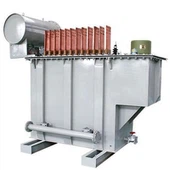
Power Transformer Installation: A Complete Guide for Safe and Reliable Operation
Installing a power transformer isn't exactly a small job- it's one of those tasks where if you cut corners, you'll regret it for years to come. Whether it's for a substation, an industrial plant, a solar farm, or a commercial building, how you handle the installation has a huge say in how well that transformer performs, how long it lasts, and how safe everything stays down the line.
Let's be real-a transformer is a major investment. These things are built to run for decades. But even the best unit from a top-tier factory can run into trouble if the installation is rushed or sloppy. From laying the groundwork (literally) to making the final electrical connections and running through all those pre-energization checks, every step matters.
At Yawei Transformer, we've been around the block with all kinds of units-oil-filled, dry-type, distribution, you name it. We've seen what works and what doesn't. So here's a practical, no-nonsense walkthrough of what a proper power transformer installation actually looks like.
1.Get the Site Ready Before the Transformer Even Shows Up
You don't want a 50-ton transformer arriving to a site that's not ready. That's a recipe for chaos. Here's what needs to be squared away beforehand:
| Preparation Item | What's Required |
|---|---|
| Foundation | Must be sturdy, level, and built to handle the full weight |
| Installation area | Enough elbow room for both installation and future maintenance |
| Grounding system | A solid, reliable ground connection-non-negotiable |
| Cable trenches | Properly laid out for both HV and LV cables |
| Ventilation | Good airflow to keep things from overheating |
| Fire protection | Must meet local safety codes and best practices |
If it's an oil-immersed unit, don't forget about oil containment. Spills happen, and you don't want an environmental headache on your hands.
2. Moving and Unloading: Handle with Care
These beasts are heavy and packed with precision internals. Bumping them around during transit? That's asking for trouble.
Make sure you:
Use lifting gear rated for the weight
Avoid sudden jolts or hard impacts
Check those shock-watch indicators if they're fitted
Double-check positioning before you unhook anything
For bigger units (we're talking tens or even hundreds of tons), you'll likely need a detailed lifting plan. Once it's off the truck, do a thorough walkaround:
Inspect the tank, bushings, radiators, conservator, and all accessories
Look for any dings or damage from shipping-and sort them out before you go any further.
3. Placing and Mechanical Setup
Now it's time to get it into its final spot.
Alignment: Stick to the engineering drawings. If it's off by even a bit, it can mess with cable connections, cooling hookups, and future service access.
Leveling: This thing must sit flat and level. If it's tilted, you'll get false oil level readings, unnecessary stress on components, and maybe even accessory malfunctions.
Then comes the fun part-installing all the bolt-on bits. Depending on the model, this could include radiators, fans, the conservator tank, Buchholz relay, pressure relief device, temperature gauges, and maybe even an on-load tap changer. Always follow the manufacturer's torque specs and instructions here.
4. Making the Electrical Connections
This is where precision really counts.

For high-voltage and low-voltage sides:
Verify phase sequence-get it wrong and you'll have big problems
Use the correct cable sizes
Tighten terminals properly (loose ones cause hot spots and partial discharge)
Keep proper insulation clearances
And then there's grounding. A good grounding system isn't just nice to have-it's what keeps people safe and equipment protected. It provides a path for fault currents, helps relays do their job, and offers some protection against lightning surges. Make sure the tank, neutral point, and any associated gear are all tied into the ground grid per design.
5. Install Protection Devices-Don't Skip These
You wouldn't drive a car without brakes, right? Same idea here.
| Protection Device | Its Job |
|---|---|
| Buchholz Relay | Detects gas build-up or oil movement inside the tank |
| Pressure Relief Device | Vents excess internal pressure if things go wrong |
| Temperature Indicator | Keeps an eye on oil and winding temps |
| Surge Arrester | Guards against lightning and voltage spikes |
| Differential Relay | Spots internal faults quickly |
| Overcurrent Relay | Protects against excessive current draw |
Double-check all protection settings before you even think about energizing.
6. Oil Filling (For Oil-Immersed Units)
Oil quality is everything. It provides insulation, cools the windings,  and protects the paper insulation inside.
Before filling, test the oil for:
Dielectric strength
Moisture content
Dissolved gases
Vacuum filling is the go-to method for big transformers-it pulls out moisture and trapped air that could compromise performance. Also, check for leaks at every joint and gasket. Nobody wants an oily mess after the unit goes live.
7. Testing and Commissioning: The Final Gate
You're almost there. But first, run through these essential tests:
| Test | What It Verifies |
|---|---|
| Insulation Resistance | Overall insulation health |
| Winding Resistance | Integrity of the windings |
| Turns Ratio | Correct voltage ratio |
| Vector Group | Proper phase relationship |
| No-load Loss | Core performance |
| Oil Test | Quality of insulating oil |
| Protection Test | Relay and trip logic are working |
Only when every result checks out should you go ahead and energize the unit. No shortcuts here.
What Typically Goes Wrong?
Incorrect cable connections
Fix: Always double-check wiring diagrams and phase markings. Then check them again.
Poor grounding
Fix: Follow standards to the letter and measure ground resistance before powering up.
Oil leaks
Fix: Tighten bolts, replace damaged seals, and do a leak test during commissioning.
Not enough cooling space
Fix: Keep proper clearances around radiators and fans. Overheating kills transformer life quickly.
Quick Installation Checklist
| Item | Status |
|---|---|
| Foundation ready and level | ✓ |
| Transformer positioned correctly | ✓ |
| All accessories installed | ✓ |
| Oil level and quality verified | ✓ |
| Grounding complete | ✓ |
| HV/LV connections inspected | ✓ |
| Protection devices tested | ✓ |
| Insulation resistance measured | ✓ |
| Transformer oil tested | ✓ |
| Commissioning finished | ✓ |
Why Yawei Transformer?
We're not just another manufacturer-we're a partner that understands the nuts and bolts of real-world power systems. Our range includes oil-immersed power transformers, dry-types, distribution units, and specialty transformers for renewables and heavy industry.
Built with solid engineering, rigorous quality control, and international standards in mind, our transformers are designed to make installation smoother and operation more reliable over the long haul. From utility substations to industrial plants and green energy projects, we offer customized solutions that keep the power flowing-safely and efficiently.
FAQ
Q: How soon can you delivery the transformer?
A: It depends on the quantity and capacity of the transformer, normally within one month since the date drawing confirmed by buyer.
Q: How long can you provide the quality warranty?
A: 24 months since the date transformer operated.
Q: What payment method do you accept?
A: T/T (wire transfer) preferred, L/C both accepted.