

Solid State Transformer Suppliers: Key Manufacturers, Applications, and Selection Guide
Solid state transformers are attracting growing attention as power systems adapt to artificial intelligence (AI) data centers, renewable energy, electric vehicle (EV) charging, and modern distribution networks. Unlike conventional transformers, solid state transformers use power semiconductor devices and electronic conversion stages to manage voltage and power flow more flexibly.
For utilities, EPC contractors, data center developers, and industrial buyers, finding reliable solid state transformer suppliers requires more than comparing rated power and prices. Buyers must consider technical maturity, efficiency, system compatibility, project experience, and long-term service support.
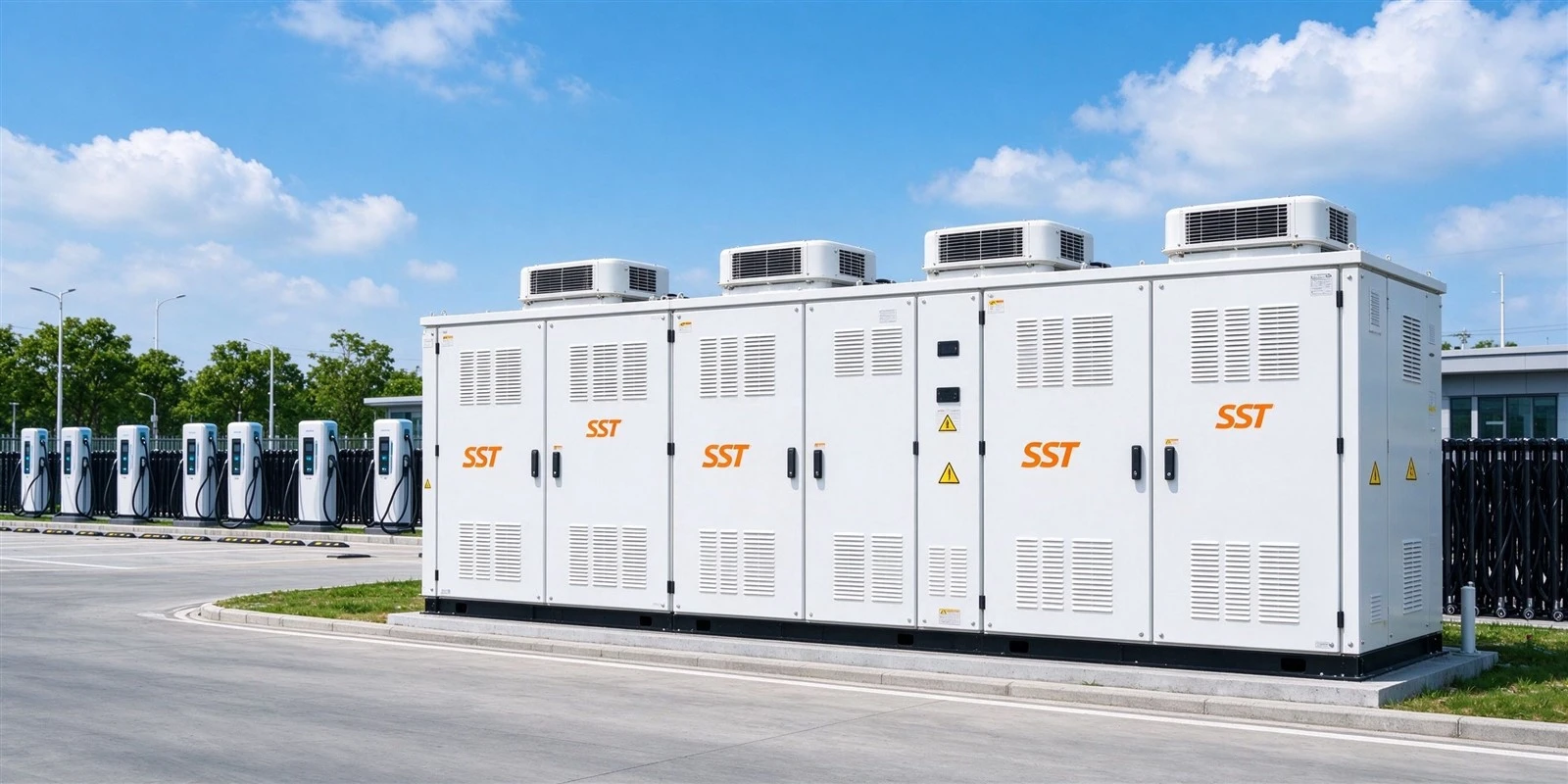
What Is a Solid State Transformer?
A solid state transformer (SST), also called a power electronic transformer in some technical contexts, combines high-frequency transformer technology with power electronic converters. A typical architecture includes an AC-to-DC conversion stage, an isolated DC-to-DC stage, and a DC-to-AC converter or DC output stage, depending on the application.
This architecture can support bidirectional power flow, voltage regulation, and connections between AC and DC systems. Compared with conventional transformers, SSTs may offer greater control flexibility and a smaller footprint in certain applications. However, their cost, conversion losses, thermal management requirements, and semiconductor reliability remain important considerations.
Conventional oil-immersed and dry-type transformers continue to be widely used because of their established reliability, proven designs, and suitability for a broad range of voltage and capacity requirements.
Leading Solid State Transformer Suppliers
The solid state transformer market includes established electrical equipment manufacturers, power electronics specialists, and technology startups. Their commercial readiness and product offerings vary, so buyers should verify whether a supplier offers a complete SST system, a pilot project, or only related power conversion equipment.
Amperesand is a technology company developing solid state transformer solutions for applications including AI data centers and advanced power infrastructure. Its focus on medium-voltage power conversion makes it a company worth investigating for next-generation data center projects.
DG Matrix develops modular power conversion systems for data centers, energy storage, renewable energy, and electric vehicle charging. Buyers evaluating its products should confirm the precise system architecture, voltage ratings, and availability for their intended project.
Heron Power focuses on advanced power infrastructure and power conversion technology. Its work is relevant to high-density electrical loads and emerging data center power architectures. Procurement teams should request current product specifications and details of commercial deployments.
ABB is an established electrical engineering company with extensive experience in power electronics, grid systems, and industrial electrification. Its technical capabilities make it relevant to the broader SST technology landscape, although buyers should confirm the availability of a complete commercial SST matching their requirements.
Siemens Energy develops technologies for power transmission, grid integration, and advanced electrical systems. Buyers interested in SST-related applications should distinguish research and development activities from products currently available for procurement.
Eaton provides electrical distribution, protection, and power management solutions for industrial facilities and data centers. Its broader expertise is relevant when evaluating integrated electrical infrastructure, but specific SST availability and technical scope should be verified.
Delta Electronics has substantial experience in power electronics, energy management, and power conversion. It is another company worth investigating for SST-related technology and integrated power systems.
These companies represent potential research targets rather than a definitive ranking of commercially available SST manufacturers. Product availability, output configurations, and project references should be checked directly with each supplier.
Applications Driving Demand for Solid State Transformers
AI data centers are an important emerging application. As server racks consume more power, operators are exploring new distribution architectures that can reduce conversion stages and improve the management of high-density electrical loads. SST technology may help connect medium-voltage AC supplies to DC distribution systems, including emerging 800 V DC architectures. Actual benefits depend on system design, conversion efficiency, redundancy, and cooling requirements.
Renewable energy and battery energy storage systems are another potential market. Solar inverters, battery systems, and microgrids require flexible interfaces between different voltage levels and AC/DC networks. An SST may provide multiple controlled conversion functions within a single system, although a conventional transformer combined with separate converters can remain the more economical option.
EV charging infrastructure also creates opportunities. High-power charging stations may benefit from direct integration with medium-voltage networks and flexible DC power distribution. However, suppliers must demonstrate that their equipment meets the required power rating, electrical safety requirements, and operating conditions.
Utilities and industrial facilities may also investigate SSTs for smart grids, power quality management, and controlled interconnection of distributed energy resources. These applications require careful evaluation of fault behavior, protection coordination, and system reliability.
How to Choose the Right Solid State Transformer Supplier
The first step is to define the electrical requirements. Buyers should specify primary and secondary voltages, rated power, frequency, isolation requirements, allowable voltage variation, cooling method, and expected load profile. For data centers, it is also necessary to define redundancy, short-circuit performance, DC bus requirements, and integration with UPS systems.
Efficiency should be evaluated across the expected operating range rather than at a single rated load. SSTs contain semiconductor conversion stages, so total system losses may differ significantly from those of a conventional transformer. Ask for independently validated efficiency curves, thermal performance data, and auxiliary power consumption.
Supplier experience is equally important. Request reference projects, test reports, factory quality procedures, warranty terms, spare-parts availability, and technical support arrangements. Buyers should confirm compliance with applicable IEC, IEEE, UL, and local grid requirements for the specific equipment and installation.
Finally, compare the total cost of ownership rather than the initial purchase price alone. Installation, cooling, maintenance, replacement of electronic components, expected service life, and downtime risks can all influence project economics.
Solid State Transformers vs. Conventional Transformers
Solid state transformers offer more sophisticated power conversion and control capabilities, but they are not automatically the best solution for every project. Conventional transformers remain attractive for utility substations, industrial plants, renewable energy projects, and distribution networks where robust operation and established maintenance practices are priorities.
For many projects, the practical decision is between adopting a new integrated power conversion architecture and using a proven transformer with separate converters, inverters, or power management equipment. The correct choice depends on load characteristics, technical requirements, project budget, and the maturity of the available products.
Conclusion
Choosing among solid state transformer suppliers requires a clear understanding of both the technology and the intended application. Companies such as Amperesand, DG Matrix, and Heron Power are worth investigating for emerging power conversion architectures, while established electrical equipment manufacturers offer broader experience in grid infrastructure and power management.
For projects that do not require advanced electronic conversion, conventional oil-immersed and dry-type transformers remain proven solutions. Jiangsu Yawei Transformer Co., Ltd., established in 1993, manufactures transformer products for power distribution and industrial applications. Buyers evaluating transformer options can contact Yawei to discuss project requirements, voltage ratings, capacity, and customized transformer solutions.
As solid state transformer technology continues to develop, a careful comparison of technical performance, commercial availability, and lifecycle cost will help buyers select the most suitable power solution for their projects.
FAQ
Q: How soon can you delivery the transformer?
A: It depends on the quantity and capacity of the transformer, normally within one month since the date drawing confirmed by buyer.
Q: How long can you provide the quality warranty?
A: 24 months since the date transformer operated.
Q: What payment method do you accept?
A: T/T (wire transfer) preferred, L/C both accepted.


