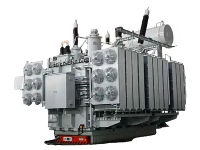
Transformer Testing: A Complete Guide to Ensuring Transformer Reliability and Performance
Transformers are among the most important pieces of equipment in any electrical power system. They work continuously behind the scenes, stepping voltage up or down to keep electricity flowing safely from power plants to substations, industrial facilities, commercial buildings, and renewable energy projects.
Because transformers usually operate under high voltage, heavy loads, and sometimes harsh environmental conditions, quality testing is not something that can be overlooked. A transformer that passes strict testing before installation is far more likely to deliver stable performance throughout its service life.

At Yawei Transformer, every transformer goes through a comprehensive testing process before leaving the factory. These tests are designed to verify electrical performance, insulation strength, thermal capability, mechanical reliability, and compliance with international standards such as IEC 60076 and IEEE C57 series.
Transformer testing is not just about checking whether a transformer works. It is about making sure it can continue working safely for decades.
Insulation Characteristic Measurement
The insulation system is one of the most critical parts of a transformer. Once insulation performance begins to decline, the risk of internal faults increases significantly.
Insulation characteristic measurement mainly includes insulation resistance measurement and dielectric loss tangent measurement. Together, these tests provide valuable information about the overall condition of transformer insulation.
Insulation Resistance Measurement
Insulation resistance measurement checks the resistance between transformer windings and between windings and ground.
This test is commonly used to identify problems such as:
Moisture inside insulation materials
Aging of insulation paper
Oil contamination
Surface dirt or leakage paths
A transformer with good insulation normally shows a high resistance value. If the measured resistance is lower than expected, engineers will usually carry out additional inspections to determine the cause.
For oil-immersed transformers, insulation resistance testing is often combined with transformer oil testing and dissolved gas analysis (DGA) to provide a more complete condition assessment.
Dielectric Loss Tangent Measurement
Dielectric loss tangent testing, also known as tan delta testing, measures the energy loss of insulation under AC voltage.
This measurement helps detect insulation deterioration caused by:
Aging
Moisture absorption
Oil contamination
Internal insulation defects
For high-voltage transformers, this test is particularly useful because insulation reliability directly affects long-term operating safety.
| Test Item | Purpose |
|---|---|
| Insulation resistance measurement | Check insulation condition and detect moisture or contamination |
| Dielectric loss tangent measurement | Evaluate insulation aging and dielectric performance |
No-Load Current and No-Load Loss Measurement
The no-load test evaluates transformer performance when the secondary winding is open and rated voltage is applied to the primary winding.
This test measures no-load current and no-load loss, which mainly come from the transformer core.
Core losses are related to the magnetic properties and manufacturing quality of the transformer core. If no-load losses are higher than expected, it may indicate issues such as poor core assembly, damaged lamination insulation, or unsuitable core materials.
The results help verify transformer efficiency and confirm that the core design meets technical requirements.
Short-Circuit Impedance and Load Loss Measurement
The short-circuit impedance and load loss test examines transformer performance under load conditions.
During this test, one winding is short-circuited while voltage is applied to the other winding until rated current flows.
The test provides important data about:
Short-circuit impedance
Load loss
Copper loss
Short-circuit impedance affects voltage regulation and determines how transformers behave when connected in parallel. Load loss mainly comes from resistance losses in transformer windings and directly influences operating efficiency.
| Test Item | Main Evaluation |
| Short-circuit impedance | Voltage regulation and system compatibility |
| Load loss | Winding losses and transformer efficiency |
Power Frequency Withstand Voltage Test
The power frequency withstand voltage test checks whether transformer insulation can withstand temporary overvoltage conditions during operation.
During the test, a high AC voltage at power frequency is applied between different insulation points, including:
High-voltage winding and low-voltage winding
Windings and ground
Different insulation sections
The transformer must withstand the specified voltage level for a set period without insulation breakdown.
This test is an important verification of the transformer's main insulation system and overall electrical safety.
Induced Withstand Voltage and Partial Discharge Test
The induced withstand voltage test focuses on the internal insulation of transformer windings, including turn-to-turn and layer insulation.
Compared with the power frequency withstand voltage test, the induced test applies greater stress to the winding insulation structure.
Partial discharge testing is often performed together with this test, especially for high-voltage transformers.
Partial discharge detection can reveal small insulation problems, including:
Air gaps inside insulation
Uneven electric field distribution
Local insulation damage
Potential discharge points
Finding these issues early can help prevent much more serious failures later.
Lightning Impulse and Switching Impulse Test
During operation, transformers may experience sudden voltage surges caused by lightning strikes or switching operations in power networks.
Impulse tests simulate these conditions to verify transformer insulation strength.
Lightning Impulse Test
The lightning impulse test evaluates the ability of transformer insulation to withstand lightning overvoltages.
It mainly checks:
Line-end insulation strength
Winding insulation coordination
Internal insulation design
Switching Impulse Test
Switching impulse testing evaluates transformer performance under switching-related overvoltages.
This test is especially important for high-voltage transformers used in transmission systems, where switching surges can create significant electrical stress.
Temperature Rise Test
Transformer temperature directly affects insulation aging and service life. The temperature rise test evaluates whether the transformer cooling system and thermal design can handle normal operating conditions.
During this test, the transformer operates under conditions that generate rated losses, and temperature changes are measured.
The test evaluates:
Winding temperature rise
Oil temperature rise
Cooling system performance
Thermal design accuracy
A transformer with excessive temperature rise may experience accelerated insulation aging, reducing its expected service life.
Sound Level Measurement
Transformer noise mainly comes from core vibration, electromagnetic forces, and cooling equipment such as fans and pumps.
Sound level measurement checks the acoustic performance of the transformer during operation.
This test is especially important for projects located near noise-sensitive areas, including:
Urban substations
Hospitals
Commercial buildings
Renewable energy facilities
The measured sound level is compared with customer requirements and relevant standards to ensure acceptable noise performance.
Short-Circuit Withstand Capacity Test
A transformer must be strong enough to withstand the mechanical and thermal forces caused by short-circuit currents.
The short-circuit withstand capacity test verifies whether the transformer can survive these extreme conditions without serious damage.
The test evaluates the transformer's ability to resist:
Winding deformation
Insulation failure
Structural damage
This is particularly important for large power transformers connected to transmission networks, where short-circuit currents can reach very high levels.
Circulating Current Transformer External DC Withstand Voltage and Polarity Reversal Test
For circulating current transformers and related transformer components, external DC withstand voltage and polarity reversal tests are used to verify insulation strength and electrical accuracy.
These tests help confirm:
DC insulation capability
Correct polarity performance
Protection system reliability
Stable measurement accuracy
Correct polarity is especially important for current transformers used in protection and measurement applications. Incorrect polarity may cause inaccurate readings or even affect protection system operation.
Transformer Testing Standards
Transformer testing is normally carried out according to recognized international standards. These standards define testing procedures, acceptance requirements, and performance limits.
| Standard | Application |
| IEC 60076 | Power transformer testing requirements |
| IEEE C57 series | Transformer performance and testing standards |
| IEC 60076-11 | Dry-type transformer requirements |
| IEC 60296 | Transformer insulating oil requirements |
Following these standards ensures that transformers can meet expected performance levels in different applications and operating environments.
Yawei Transformer Testing Process
At Yawei Transformer, testing is an important part of the entire manufacturing process. Every transformer is carefully inspected and tested before shipment to ensure reliable operation after installation.
From insulation testing and electrical performance checks to temperature rise testing and mechanical verification, Yawei applies strict quality control throughout production.
These testing procedures support transformers used in a wide range of applications, including power grids, renewable energy systems, industrial plants, data centers, and infrastructure projects.
Conclusion
Transformer testing plays a key role in ensuring reliability, safety, and long-term performance. Tests such as insulation resistance measurement, dielectric loss tangent measurement, no-load and load loss testing, withstand voltage testing, impulse testing, temperature rise testing, and short-circuit withstand testing provide a complete evaluation of transformer quality.
A well-tested transformer does more than meet technical specifications. It gives operators confidence that the equipment can perform reliably for many years under real operating conditions.
With strict testing procedures and advanced manufacturing capabilities, Yawei Transformer delivers dependable transformer solutions for today's increasingly demanding power systems.
Q: How soon can you delivery the transformer?
A: It depends on the quantity and capacity of the transformer, normally within one month since the date drawing confirmed by buyer.
Q: How long can you provide the quality warranty?
A: 24 months since the date transformer operated.
Q: What payment method do you accept?
A: T/T (wire transfer) preferred, L/C both accepted.