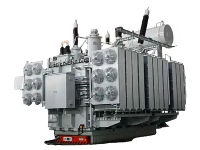
Transformers Frequency: 50 Hz vs 60 Hz and Beyond
Transformers are fundamental components in electrical systems, enabling efficient voltage transformation for different applications. One critical aspect of their design and operation is frequency, which refers to the rate at which the alternating current (AC) cycles per second. Transformers are typically designed for specific operating frequencies, such as 50 Hz or 60 Hz, and their performance, efficiency, and safety depend heavily on adhering to these specifications.

This article provides a comprehensive overview of transformer frequency: what it is, how it affects transformer design, the differences between 50 Hz and 60 Hz systems, and practical implications for selecting and using transformers globally.
What Is Transformer Frequency?
Transformer frequency refers to the frequency of the alternating current (AC) supply that a transformer is optimized to operate with. It is measured in hertz (Hz), which represents the number of cycles per second. Common supply frequencies are 50 Hz (used in Europe, Asia, and Africa) and 60 Hz (used in North America and parts of South America).
The frequency impacts several aspects of transformer operation, including:
Flux density: Affects the core design and saturation point.
Losses: Impacts hysteresis and eddy currents in the core.
Core size: Higher frequencies typically allow for smaller cores.
Common Transformer Frequency Classes
| Frequency Range | Common Application | Examples |
|---|---|---|
| 50 Hz / 60 Hz | Power distribution | Electrical grids, industrial transformers |
| 400 Hz | High-frequency power applications | Aerospace, military systems |
| 10 kHz to 1 MHz | Electronics, high-frequency use | Switch-mode power supplies (SMPS), inverters |
How Frequency Affects Transformer Design
Transformer design is directly influenced by its operating frequency. Critical components such as the core material, core size, and winding structure depend on the intended frequency. Deviating from the specified frequency can lead to inefficiencies, overheating, or even failure.
1. Core Size and Material
Transformers operating at lower frequencies (e.g., 50 Hz) require larger cores to avoid magnetic saturation. On the other hand, higher frequency operation (e.g., 20 kHz in SMPS) allows for compact transformers, as the core can cycle through magnetic flux more quickly, reducing the required magnetic material.
Lower frequencies → Larger core → Heavier transformer
Higher frequencies → Smaller core → Lighter transformer
2. Flux Density and Saturation
The magnetic flux density in a transformer's core depends on both the input voltage and the frequency. Lower frequencies can produce higher flux densities for the same voltage, potentially causing the core to saturate. Core saturation can result in overheating and operational failure.
Key Formula:
Flux Density (B) = Voltage ÷ (4.44 × Frequency × Core Area × Turns in Winding)
Impact of Frequency on Transformer Design
| Frequency | Core Size | Core Material | Applications |
|---|---|---|---|
| Low (e.g., 50 Hz) | Large, heavy | Silicon steel laminations | Power generation, grids, utilities |
| High (e.g., 20 kHz) | Small, lightweight | Ferrite | Electronics, power supplies, inverters |
50 Hz vs 60 Hz Transformers
The two most common grid frequencies are 50 Hz and 60 Hz, with usage differing geographically. Transformers designed for each frequency are optimized based on the specific flux density, core size, and winding specifications. While some transformers are dual-rated for both frequencies, using one designed for 50 Hz on a 60 Hz grid (or vice versa) can have serious consequences.
Key Points of Comparison
| Aspect | 50 Hz | 60 Hz |
|---|---|---|
| Regions | Europe, Asia, Africa | North & South America |
| Core Size | Larger cores (to avoid saturation) | Smaller cores |
| Applications | Global export, industrial grids | Domestic grids, smaller devices |
| Efficiency | Slightly higher than 60 Hz | Slightly less efficient |
Using 50 Hz Transformers at 60 Hz (and Vice Versa)
Here's what happens when transformers are used under mismatched frequency conditions:
| Scenario | Result / Recommendation |
|---|---|
| 50 Hz transformer on 60 Hz supply | Lower flux; generally acceptable. May operate slightly cooler. |
| 60 Hz transformer on 50 Hz supply | Higher flux; core saturation and overheating risk! Reduce voltage or avoid use. |
| High-frequency operation on low frequency | Core may saturate; avoid using without redesign. |
| Low-frequency transformer on high frequency | Higher losses but no saturation; may generate heat and noise. |
In general, using transformers on a different frequency is not recommended unless supported by the manufacturer's specifications. Always consult experts if considering such a use case.
Effects of Incorrect Frequency on Transformer Performance
Using a transformer at the wrong operating frequency can negatively impact its performance, efficiency, and lifespan. Here's a breakdown of potential consequences:
Core Saturation
At lower frequencies, the transformer's core can reach saturation, causing excessive heating and possible failure. This is a common issue when running 60 Hz transformers on a 50 Hz supply.
Excessive Heating
Operating a transformer at a frequency outside its design can substantially increase losses, leading to higher heat generation. Overheating can damage the transformer's insulation and reduce its working life.
Reduced Efficiency
Efficiency drops drastically when the transformer's operating frequency mismatches its design. This results in higher energy losses and increased operational costs.
Shortened Lifespan or Failure
Sustained overheating or operational stress can degrade core and winding materials, eventually leading to insulation failure or permanent damage.
Transformer Frequency and Efficiency
Higher frequencies are typically associated with smaller, more efficient transformers (common in electronics). However, trading off frequencies has its own limitations and considerations:

Advantages of Higher Frequencies:
Smaller core size and reduced weight.
Typically lower loss in the winding for power supplies operating under high frequencies.
Challenges:
Specialized core materials (like ferrite) must be used at high frequencies to minimize losses.
Lower frequencies require physically larger cores, which are heavier and less efficient.
High-Frequency Transformers vs. Low-Frequency Transformers
High-frequency transformers are used in compact applications like Switch-Mode Power Supplies (SMPS) and DC-DC converters. They differ significantly in design and operation from low-frequency transformers used in grid distribution.
Key Differences:
| Aspect | Low-Frequency Transformers (e.g., 50/60 Hz) | High-Frequency Transformers (e.g., 20 kHz+) |
|---|---|---|
| Core Material | Laminated steel | Ferrite |
| Core Size | Larger, bulky | Small, compact |
| Applications | Power grids, substations | Electronics, inverters, power supplies |
| Cooling Requirements | Moderate | Higher cooling due to more heat generation |
Choosing the Right Transformer for Your Application
When selecting a transformer, consider the following:
Frequency Match: Ensure the transformer frequency matches your supply's operating frequency.
Voltage Ratings: Verify the primary and secondary voltage ratings meet your requirements.
Core Material: For high-frequency, ensure ferrite is used; for power-frequency transformers, check for silicon steel cores.
Efficiency vs Size Trade-Offs: Higher efficiency may require larger cores and higher initial costs.
Frequently Asked Questions
1. Can I use a 60 Hz transformer on a 50 Hz supply?
Generally, no. Running a 60 Hz transformer on a 50 Hz supply can cause overheating and damage due to core saturation. If necessary, the voltage must be reduced to avoid overloading the core.
2. Why are some transformers rated for both 50/60 Hz?
These dual-rated transformers are designed with more robust cores and windings that can handle both frequencies without risk of overheating or failure.
3. Are high-frequency transformers used for power grids?
No. High-frequency transformers are commonly used in electronic devices like SMPS and inverters, not in power grids that operate at 50 Hz or 60 Hz.
Conclusion
Understanding transformer frequency is vital for ensuring optimal performance, reliability, and longevity in electrical systems. Whether you're working with standard 50 Hz or 60 Hz transformers or exploring high-frequency applications, choosing the right transformer for your project will save costs, enhance efficiency, and prevent equipment damage.

📞 Contact us today for expert advice.
🛒 Browse our transformer selection compatible with 50 Hz, 60 Hz, and high-frequency systems.
📧 Request a quote to find the perfect transformer for your needs!
Stay power-efficient-choose the right transformer frequency now!
FAQ
Q: How soon can you delivery the transformer?
A: It depends on the quantity and capacity of the transformer, normally within one month since the date drawing confirmed by buyer.
Q: How long can you provide the quality warranty?
A: 24 months since the date transformer operated.
Q: What payment method do you accept?
A: T/T (wire transfer) preferred, L/C both accepted.