

Dry type transformers have really become a go-to option these days, especially when safety, environmental concerns, or indoor space limitations come into play. Unlike the old-school oil-filled ones, dry type transformers use air or solid insulation to cool and protect themselves – no flammable liquids involved.
So, What Exactly Are Dry Type Transformers?
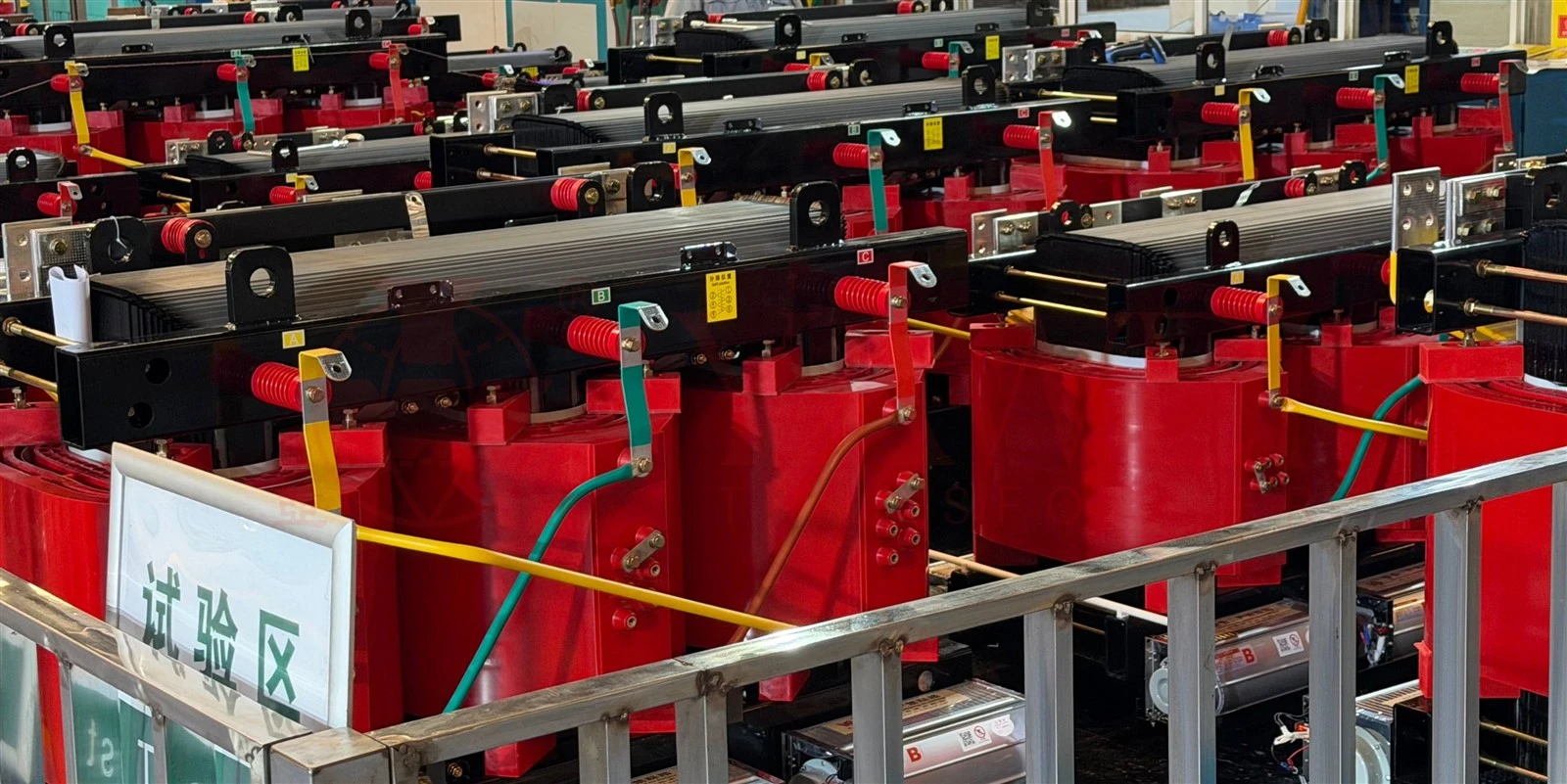
In simple terms, dry type transformers are electrical devices that transfer power between circuits using electromagnetic induction, but without any oil. They rely on materials like epoxy resin or other high-temperature insulators and are cooled by natural or forced air.
There are two main kinds you'll come across:
Cast Resin Dry Type Transformers – these have windings fully encapsulated in epoxy, which makes them tough against dust, moisture, and chemicals.
Ventilated Dry Type Transformers – these use open construction with air flowing through to keep things cool, best suited for cleaner environments.
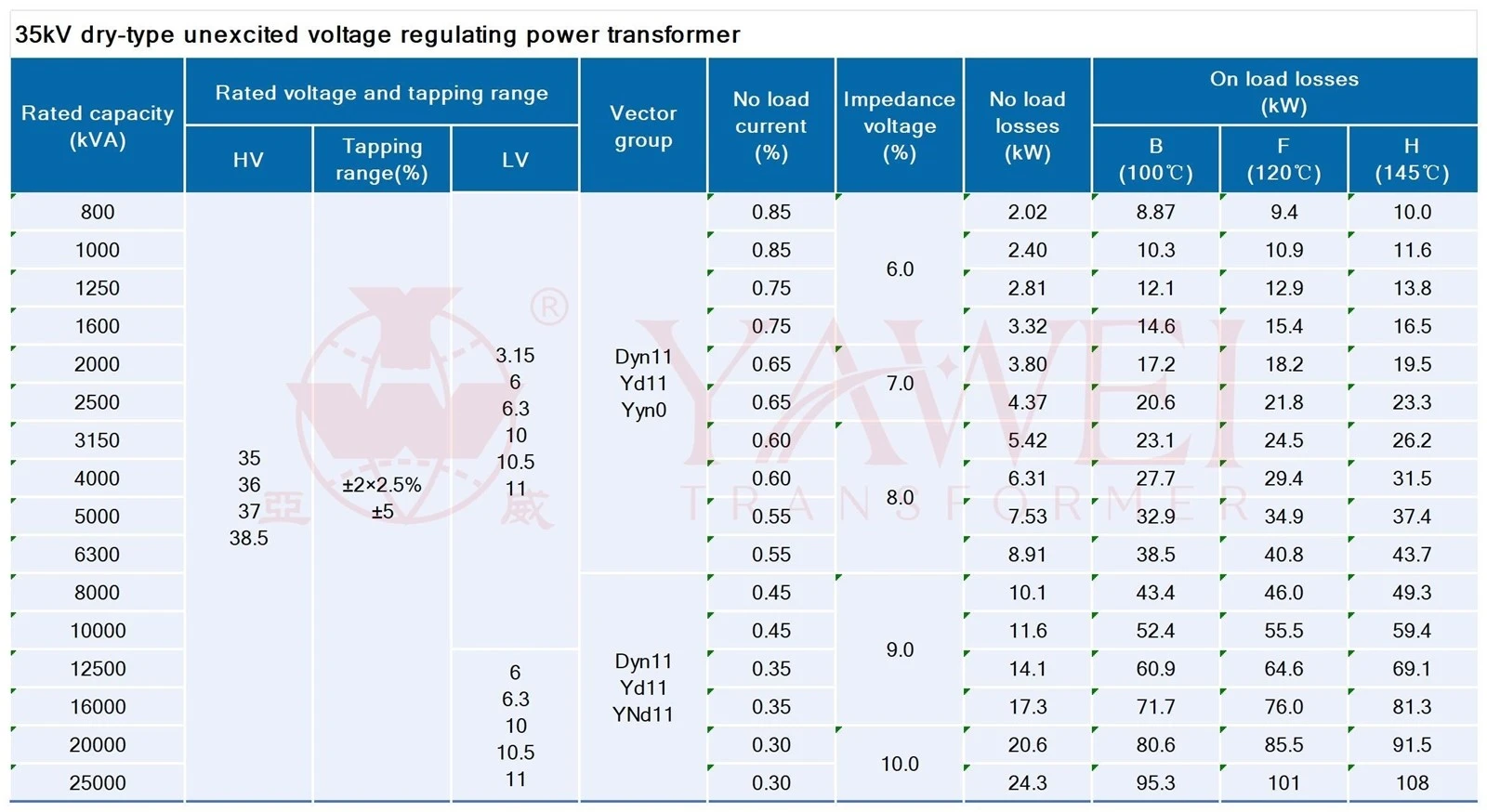
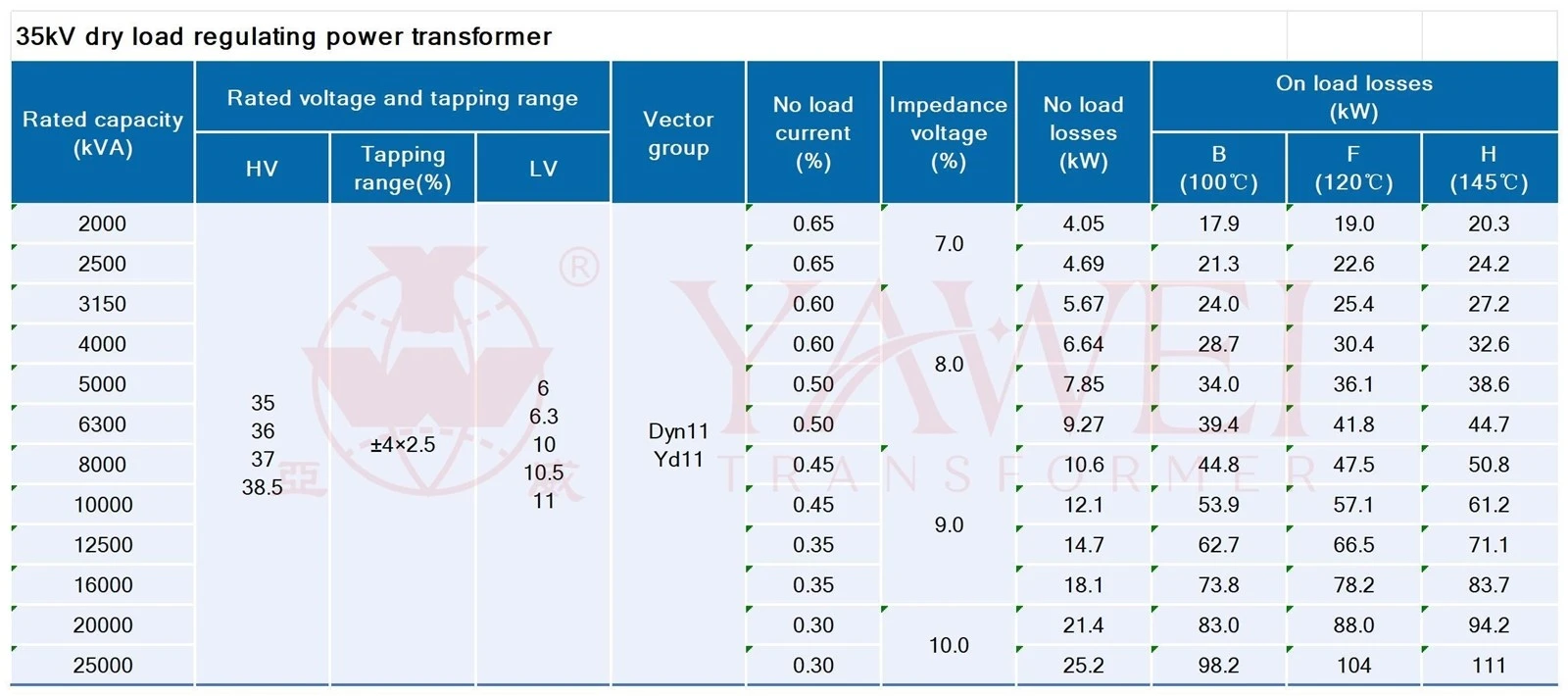
They come in all sorts of sizes, from small units to several MVA capacity.
How Do They Actually Work?
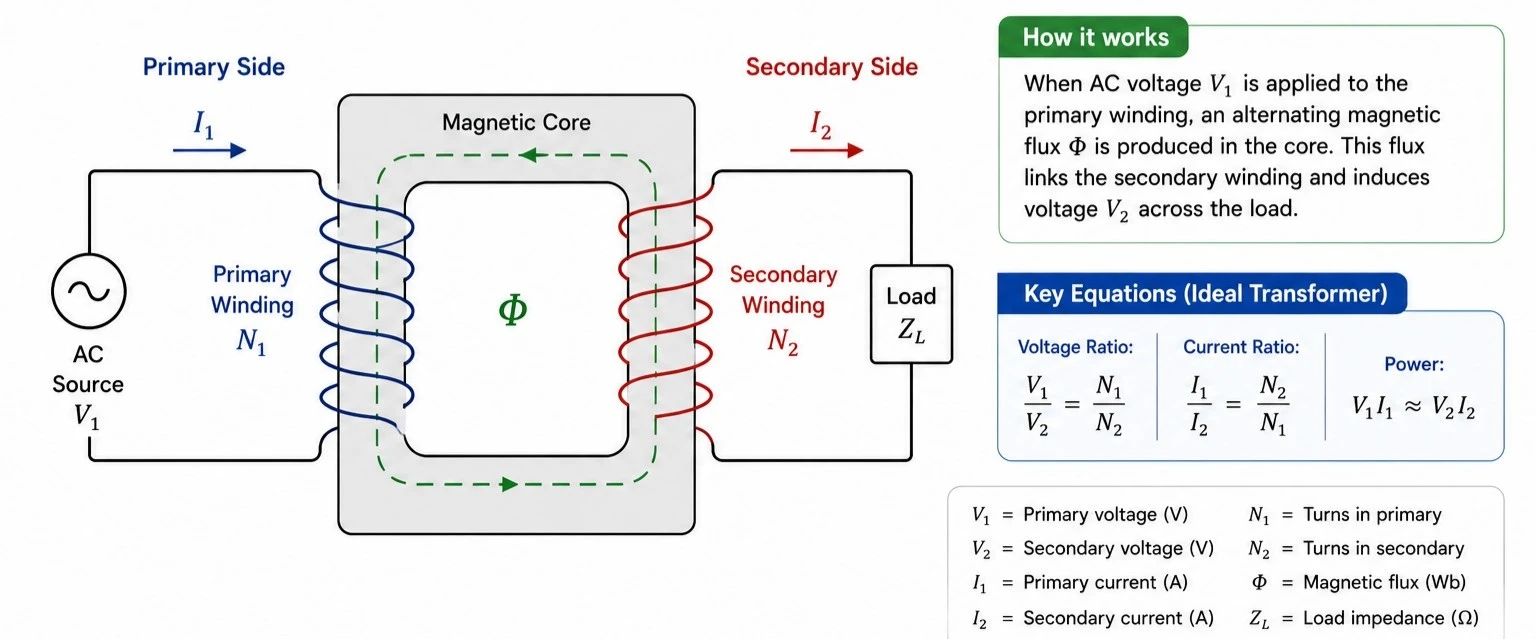
The basic idea is the same as any transformer – alternating current in the primary creates a magnetic field that induces voltage in the secondary. The big difference is in cooling: dry type transformers simply dissipate heat straight into the surrounding air. Some models even have fans to help when the load gets heavy.
Why People Love Dry Type Transformers
Here's why so many folks are choosing them:
Fire safety: No oil means almost zero chance of a fire or explosion. Perfect for crowded buildings.
Eco-friendly: No risk of oil leaks messing up the environment.
Low maintenance: You don't have to worry about testing or changing oil all the time. Just occasional cleaning and checks.
Easy to install: You can put them closer to where the power is needed, and they work great indoors without needing special vaults.
Quiet operation: Modern ones tend to run pretty quietly.
Of course, they're not perfect. They usually cost more upfront and might not handle extreme overloads as well as oil-filled units in some cases. They also need good ventilation to stay cool.
Where Are Dry Type Transformers Commonly Used?
You'll find dry type transformers in all kinds of places:
Office buildings, shopping malls, and apartment complexes
Hospitals and schools (where safety is critical)
Data centers
Industrial facilities
Renewable energy setups like solar and wind farms
Even ships and underground installations
Dry Type vs Oil-Filled Transformers – A Quick Comparison
| Aspect | Dry Type Transformers | Oil-Filled Transformers |
|---|---|---|
| Cooling | Air & solid insulation | Oil |
| Fire Risk | Very low | Higher |
| Maintenance | Pretty minimal | More involved (oil checks) |
| Best Location | Indoor-friendly | Usually outdoor |
| Environmental Impact | Much better | Risk of spills |
| Upfront Cost | Higher | Lower |
Looking After Your Dry Type Transformer
Taking care of these units isn't too complicated. Keep the air vents clean, check the temperature regularly, make sure connections are tight, and follow the manufacturer's advice. Most of them can easily last 25 years or more with decent care.
Final Thoughts
All in all, dry type transformers are a smart, safe, and reliable choice for many modern electrical setups. They might cost a bit more at the beginning, but the lower maintenance, better safety profile, and peace of mind often make them worth it.
If you're planning a project, it's always a good idea to talk to an electrical engineer or supplier to pick the right model for your specific needs.
FAQ
Q: How soon can you delivery the transformer?
A: It depends on the quantity and capacity of the transformer, normally within one month since the date drawing confirmed by buyer.
Q: How long can you provide the quality warranty?
A: 24 months since the date transformer operated.
Q: What payment method do you accept?
A: T/T (wire transfer) preferred, L/C both accepted.


