

What Exactly Is a Step Down Power Transformer
Let's be real for a second. You've probably plugged your laptop charger into the wall a million times without thinking about it.
The wall gives you 120V or 220V-depending on where you live. That's a lot of juice. But your laptop? It wants maybe 5V to 20V, usually DC.
So here's the scary part: if that wall voltage actually went straight into your computer... boom. Fried motherboard. Melted plastic. Maybe even a small fire.
So why doesn't that happen?
Thank the step down power transformer. Seriously. It's one of those boring-looking things that actually does something amazing.
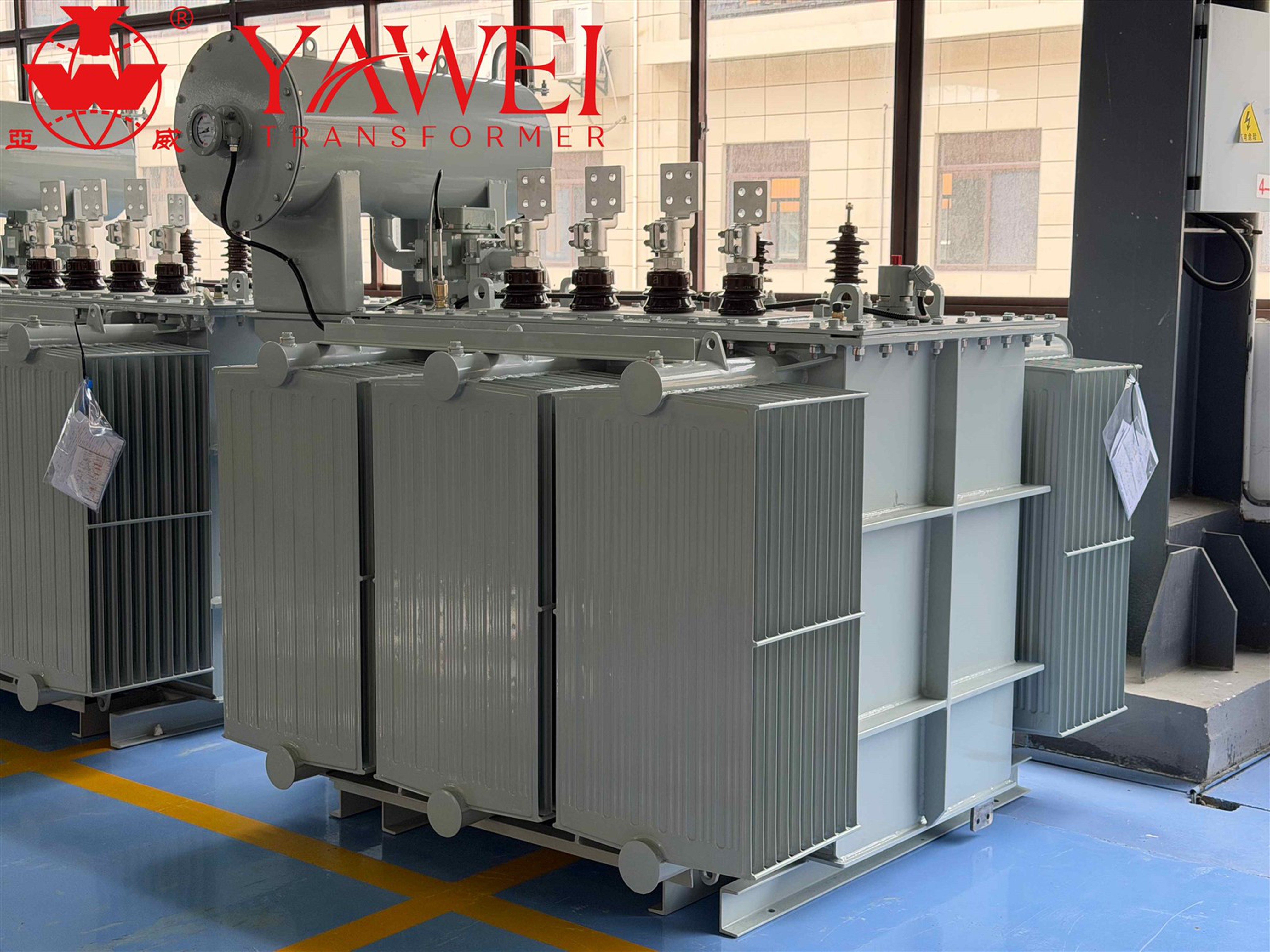
Click the image to learn more.
What Even Is a Step Down Power Transformer?
In plain English, it's a device that takes high voltage and lowers it-no moving parts, no magic, just good old physics.
You feed it high voltage on one side, and out comes lower, safer voltage on the other. That's it.
The name says it all: it steps voltage down.
Okay, But How Does It Actually Work?
A transformer only has three main parts. Not kidding:
A metal core (usually iron, stacked in thin layers).
A primary winding – that's the input coil.
A secondary winding – the output coil.
Here's the trick: the two coils never actually touch. Seriously. The energy jumps across the core using a magnetic field. Kinda wild when you think about it.
The rule is called the turns ratio. Fancy name, simple idea.
Say the primary has 100 loops of wire.
And the secondary has 10 loops.
That's a 10-to-1 ratio.
Put 120V in? You'll get roughly 12V out.
And because the secondary has fewer turns, the voltage drops. That's why we call it step-down.
One more thing: transformers only work with AC power. DC won't do it-the magnetic field would just sit there doing nothing. So don't even try.

Why Do We Actually Need These Things? Three Big Reasons
1. Moving Power Over Long Distances (Without Losing Everything)
Power plants are often far away from cities. If we sent electricity at 120V all that way, most of it would turn into heat before it got to you. Huge waste.
So here's what we do instead:
First, a step up power transformer jacks the voltage way up (like hundreds of thousands of volts) for the long trip.
Then, near your neighborhood, a step down power transformer brings it back down.
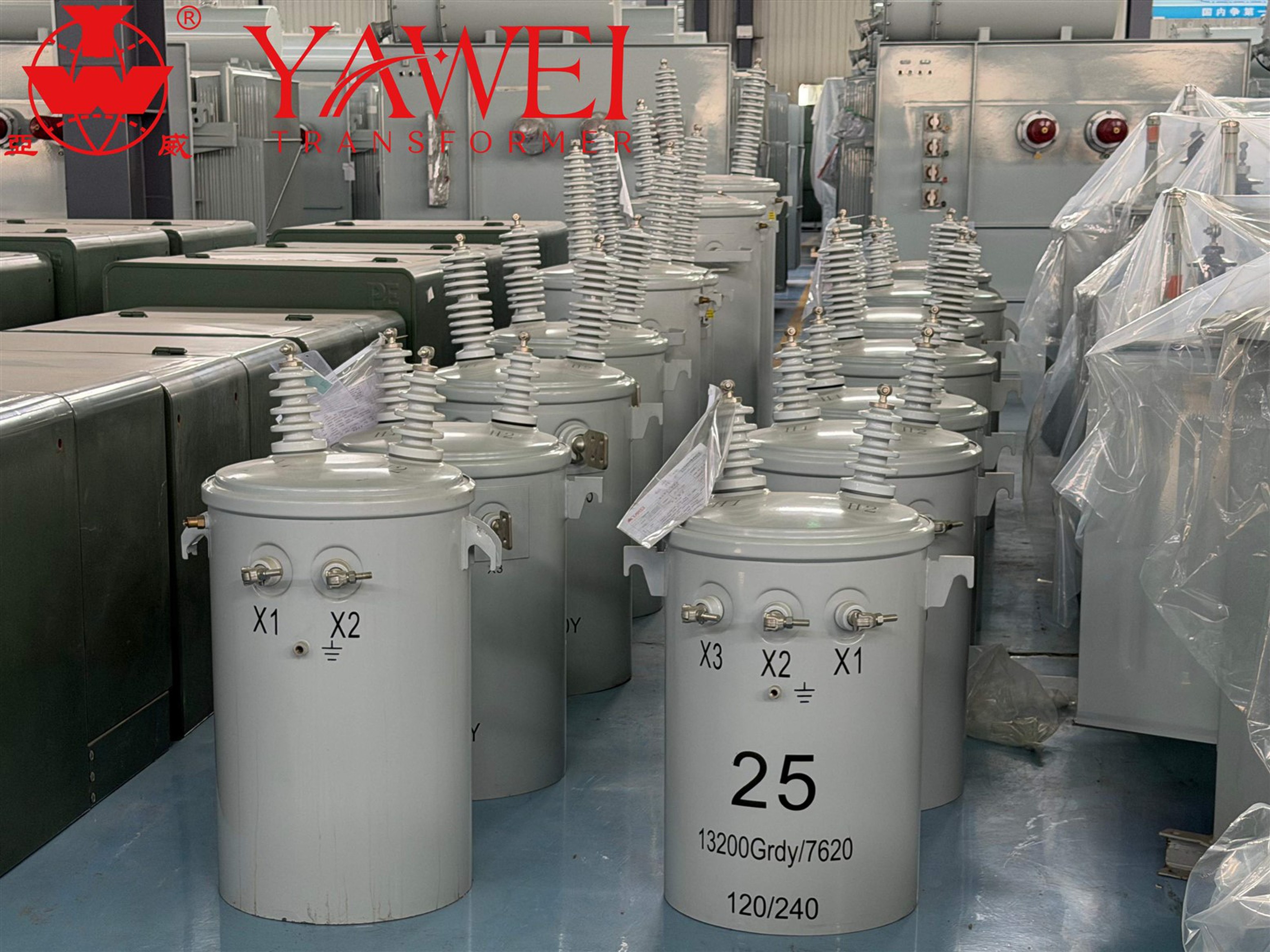
And finally, that little gray box on the pole? Yep-another step down power transformer, taking it down to 120V or 240V for your house.
Without transformers, the grid just wouldn't work. Simple as that.
2. Keeping You Alive (No Joke)
High voltage can kill you. That's not dramatic-it's just true.
But when you touch the USB end of your phone charger, you're completely isolated from the deadly 230V inside your wall. Why? Because the transformer sits in between. There's no direct electrical path from the wall to your hand.
That's called galvanic isolation. Fancy term, but all it means is "you won't get electrocuted."
Pretty nice, right?
3. Different Gadgets Need Different Juice
Not everything runs on the same voltage. Think about it:
Your vacuum cleaner? Needs 120V to spin that motor.
Your doorbell? More like 16V. (That's why it has that little transformer somewhere in your basement or closet.)
LED light strips? Usually 12V.
A step down power transformer makes sure every device gets exactly what it needs.
Where You've Definitely Seen These Things
Here's a quick cheat sheet:

You've walked past hundreds of these without ever noticing. Now you know.
A Few Terms That Actually Matter
kVA rating: Think of this as the transformer's "size" or how much power it can handle before overheating. If your load is 5,000 watts, buy something rated higher-like 6kVA. Always leave a buffer. Trust me on this.
Isolation transformer: This one's interesting. It doesn't change voltage at all. Same in, same out. But it cleans up dirty power and removes electrical noise. Fancy audio gear and medical equipment love these.
Efficiency: Good transformers are scary efficient-95% to 99%. That lost energy? It turns into heat. That's why transformers feel warm even when nothing's plugged in. Totally normal.
A Couple of Warnings
Most of the time, transformers are safe and boring. But people do make mistakes.
1. Never reverse a step down power transformer.
Seriously. Don't.
If you plug 120V into the output side (the low-voltage side), the input side will try to give you crazy-high voltage-like thousands of volts. That'll destroy the transformer and possibly kill you.
Just don't.
2. They get hot. Deal with it.
Transformers produce heat. Don't bury one in insulation, don't cover it with a blanket, and don't shove it into a sealed box with no airflow. Give it some breathing room.
3. Always use a fuse or breaker on the input side.
That's just basic safety. If something shorts inside, the fuse pops instead of the transformer catching fire.
Wrapping It Up
Look, the step down power transformer isn't glamorous. It doesn't have Bluetooth. You can't post about it on Instagram. But honestly? It's one of the most important inventions of the last 150 years.
Without it, we couldn't move power across cities. Without it, your phone and laptop would explode the second you plugged them in.
So next time you hear that faint little hum from your charger-or that click when a transformer kicks in-give it some respect. It's quietly taming enough electricity to kill you, just so you can check your email.


