

If you've ever walked by a power pole or driven past an electrical substation, you've probably noticed those big gray metal boxes. They look pretty boring from the outside, but inside there's actually a pretty clever setup that keeps electricity moving safely and efficiently.
So, what is inside a transformer? It varies a bit depending on the type, but most power and distribution transformers have the same main parts working together to change voltage levels. Here's a simple breakdown.
The Core: The Heart of the Whole Thing
 At the center is the magnetic core, usually made of thin silicon steel sheets stacked up. Its job is to guide the magnetic field between the windings and keep energy losses as low as possible. Honestly, without a good core, the transformer wouldn't work nearly as well. In big industrial ones, this core can weigh several tons - it's kind of wild when you think about it.
Windings: Where the Real Action Happens
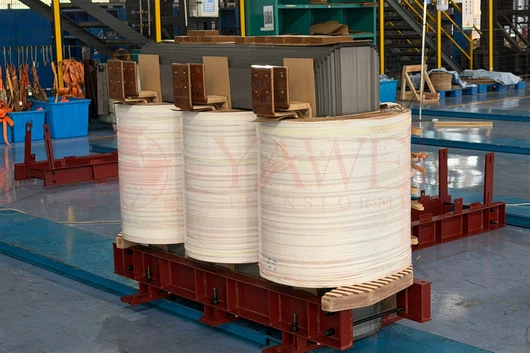
Then you've got the windings. Most transformers have two sets: the primary winding and the secondary winding.
The primary takes power from the source, and the secondary sends the adjusted voltage out to homes, factories, or whatever needs it. These are usually copper or aluminum wires wrapped around the core. Copper is preferred because it conducts better, but aluminum gets used when companies want to save some money.
When folks ask what is inside a transformer, the windings are definitely one of the big answers - this is where electromagnetic induction actually does its magic.
Insulating Oil: The Quiet Hero
 A lot of transformers are filled with insulating oil (transformer oil). It pulls double duty: cooling things down and keeping the electricity from jumping where it shouldn't.
These things get pretty hot under heavy load, so the oil absorbs that heat and helps carry it away. It also stops arcing between parts. It doesn't get much credit, but this oil is a huge reason transformers keep running reliably for decades.
Other Insulation Stuff
 On top of the oil, there are solid materials like pressboard, special paper, and resins. They separate the high-voltage parts and prevent short circuits. Since transformers often deal with really high voltages, this insulation has to be rock solid - one weak spot and you're looking at big trouble.
Tap Changer
 Many units also have a tap changer inside the tank. It lets you tweak the voltage by changing the number of active turns on the winding. There are off-load ones (you have to power down) and on-load tap changers that can adjust while everything's still running. Power companies really like the on-load versions for keeping things stable.
Cooling and Internal Structure
Bigger transformers also have cooling ducts, clamps, support frames, and sometimes pumps to move the oil around. Everything inside has to handle vibrations, heat expansion, and the massive forces that can happen during short circuits. It's more rugged and carefully built than most people realize.
Wrapping It Up
So, what is inside a transformer? Way more than just wires and metal. You've got a heavy magnetic core, carefully wound coils, cooling oil, solid insulation, and voltage-adjusting gear all packed together in that tank.
They might just sit there humming quietly, but transformers are super important to our whole power grid. Without them, getting reliable electricity to where we need it would be almost impossible. Pretty impressive piece of engineering when you take a closer look, right?


