

When people talk about electrical distribution, switchboard vs switchgear comes up a lot. They can sound similar, and yes-there's some overlap in what they both do. But in transformer setups, they play pretty different roles. And knowing the difference really matters for safety, reliability, and day-to-day operation in places like industrial plants, commercial buildings, and utility systems.
Let's make it simple and practical.
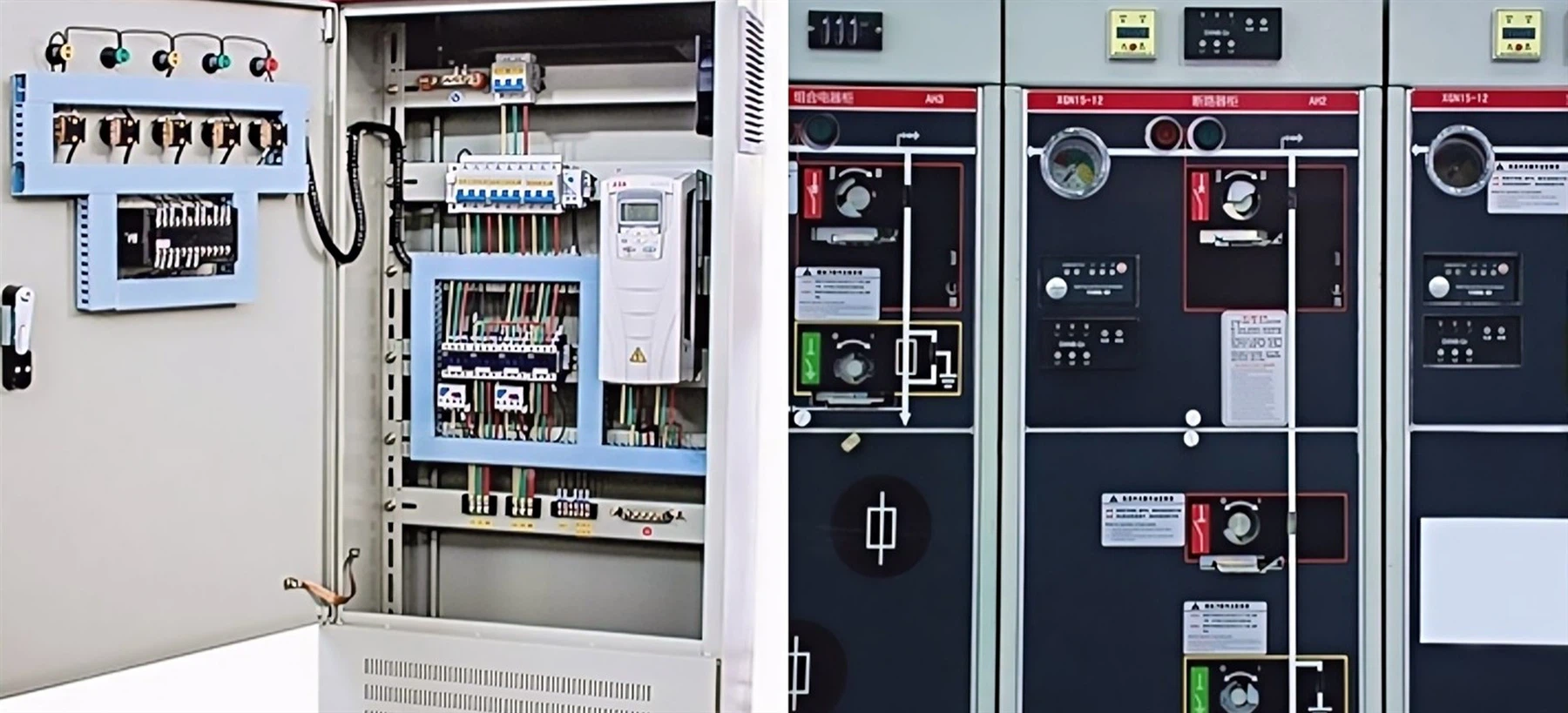
What Is a Switchboard?
Think of a switchboard as the "main distribution hub" that sends power out to multiple circuits.
It usually gets electricity from a transformer (or another incoming power source) and then distributes it to smaller branch circuits. In other words, it's how you route power where it needs to go-without making things messy.
You'll typically see switchboards in:
commercial buildings
factories and large facilities
any site where power needs to be divided into different circuits
In transformer-related applications, switchboards are often used on the low-voltage side. Once the transformer steps the voltage down to usable levels, the switchboard distributes that power across the facility.
Switchboards are also popular because they're:
easier to access for maintenance
flexible for expansion
generally more cost-effective for low- to medium-voltage needs
That said, a switchboard isn't usually built to handle the most extreme fault-current conditions or advanced protection duties. When you need that level of protection, you look toward switchgear.
What Is Switchgear?
Switchgear is basically the more serious, heavy-duty option. It doesn't just distribute power-it's designed to protect the system when something goes wrong.
Where a switchboard helps spread power around, switchgear is focused on controlling and isolating equipment during faults like:
short circuits
overload issues
insulation failures
In transformer substations, switchgear is commonly connected on the high-voltage side. Its main job is to control, disconnect, and protect the transformer and the power equipment around it.
A switchgear assembly can include things like:
circuit breakers
protective relays
disconnect switches
fuses
control panels
Here's the key point: switchgear is engineered to interrupt dangerous fault currents safely. In high-power environments, that capability is critical-because one major electrical fault can damage transformers, cause outages, or even create fire hazards.
On top of that, modern switchgear often comes with monitoring and automation features. Operators can track system conditions, detect abnormal loads, and isolate problems early-especially helpful in industrial and utility settings where downtime is expensive (and nobody wants surprises).
Switchboard vs Switchgear: The Main Differences
So, when you compare switchboard vs switchgear, the biggest difference is protection level and how/where they're used in the system.
A switchboard mainly distributes power.
Switchgear distributes power too, but protection and fault interruption are its priority.
A few quick distinctions:
Switchboards are usually used in low-voltage applications.
Switchgear is used in medium- and high-voltage systems.
Switchgear handles higher fault protection requirements.
Switchboards are generally simpler and more affordable.
Switchgear is built for critical infrastructure and tougher electrical conditions.
Which One Is Better for Transformer Applications?
Here's the honest answer: there's no single "better" choice that fits every situation.
For smaller commercial buildings with normal distribution needs, a switchboard may be enough. But in substations, large industrial facilities, renewable energy plants, and utility grids-where electrical risk is higher-switchgear becomes essential.
And honestly, in many well-designed transformer systems, you don't choose one or the other-you use both.
The transformer + switchgear handle incoming-side protection and control.
The switchboard handles downstream power distribution.
Bottom Line
At the end of the day, switchboard vs switchgear isn't about one replacing the other. It's about using the right equipment for the right job-so the system stays safe, organized, and reliable. And that's exactly what modern power infrastructure needs.


