

How to Wire a Transformer Safely Without the Guesswork
If you're trying to figure out how to wire a transformer, you're definitely not alone. Transformers are used in all kinds of electrical systems - HVAC units, industrial equipment, lighting setups, doorbells, you name it. And while the wiring itself isn't terribly complicated, it's one of those jobs where small mistakes can turn into pretty big problems.
The good thing is, once you understand the basics, the whole process starts making a lot more sense.
Start by Understanding the Transformer
Before touching a single wire, take a minute to read the transformer's nameplate. Seriously, don't skip this part. The label tells you important details like:
Primary voltage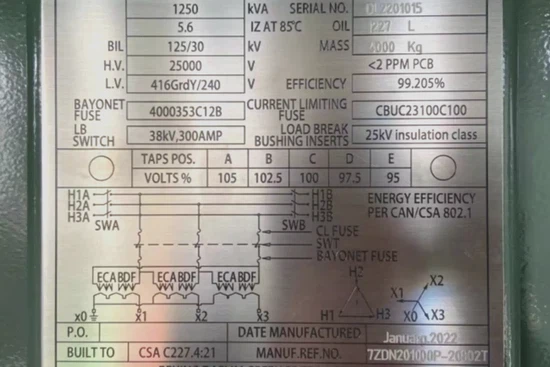
Secondary voltage
Frequency
VA or kVA rating
Terminal layout
The transformer has two sides:
The primary side receives incoming power
The secondary side sends power out at a different voltage
For example, a transformer might take in 480V and step it down to 120V. Pretty common setup, actually.
When learning how to wire a transformer, understanding which side does what is honestly the foundation of the whole thing.
Shut Off the Power First
Yeah, this sounds obvious, but it's worth repeating. Always disconnect power completely before wiring anything.
And don't just flip a breaker and assume everything is dead. Use a multimeter or voltage tester to confirm there's no live current present. Electrical systems can be unpredictable sometimes, especially in older buildings.
A pair of insulated gloves doesn't hurt either.
Find the Correct Terminals
Most transformers use standard terminal markings: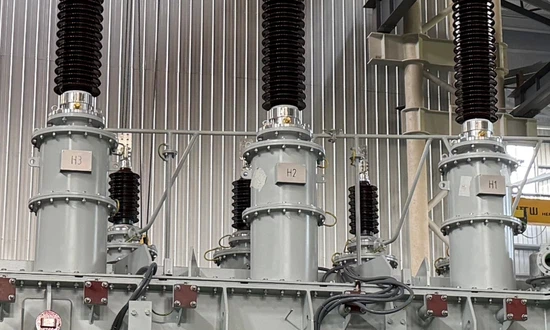
H1, H2, H3, H4 = primary terminals
X1, X2, X3, X4 = secondary terminals
The "H" terminals are for incoming voltage. The "X" terminals are for outgoing voltage to your load or equipment.
A lot of transformers also have a wiring diagram printed right on the side. Honestly, that little diagram can save you a ton of frustration. Don't ignore it.
Wiring the Primary Side
Now you can start connecting the input wires to the primary terminals.
The exact setup depends on the transformer's voltage requirements. For example:
A single-phase 240V transformer may connect directly to H1 and H2
Multi-voltage transformers sometimes need jumper wires between terminals
Make sure every connection is tight and secure. Loose terminals can create heat, buzzing sounds, or intermittent issues later on - and those problems are annoying to track down.
One thing people often overlook when researching how to wire a transformer is grounding. Proper grounding is important for both safety and equipment protection.
Connect the Secondary Side
Next comes the output side.
Connect the load wires to the secondary terminals according to the required output voltage. If the transformer provides 24V, 120V, or another voltage, make sure the connected equipment matches it exactly.
Otherwise, well… things can go wrong pretty quickly.
You should also double-check polarity when working with control circuits or multiple transformers running together.
Test Everything Carefully
Once all the wiring is finished:
Inspect all terminals
Confirm grounding
Restore power slowly
Measure output voltage with a multimeter
If the voltage reading matches the transformer's rated output, you're probably in good shape.
But if you notice loud humming, overheating, or a burning smell, shut everything down immediately and recheck the wiring. That's usually a sign something isn't connected correctly.
Final Thoughts
Learning how to wire a transformer isn't really about memorizing complicated steps. It's more about understanding voltage, identifying terminals correctly, and paying attention to safety.
Take your time, follow the wiring diagram, and don't rush the process. Honestly, a careful installation now can save you a lot of headaches later.


