

Transformer and Substation: The Backbone of Modern Power
Let's be real-most of us don't think about how electricity gets to our homes until something goes wrong. And when it works (most days), it's easy to take it for granted. But behind the scenes, there's a huge amount of electrical equipment making sure power is delivered safely and reliably.
Two of the biggest reasons modern power distribution works are the transformer and substation.
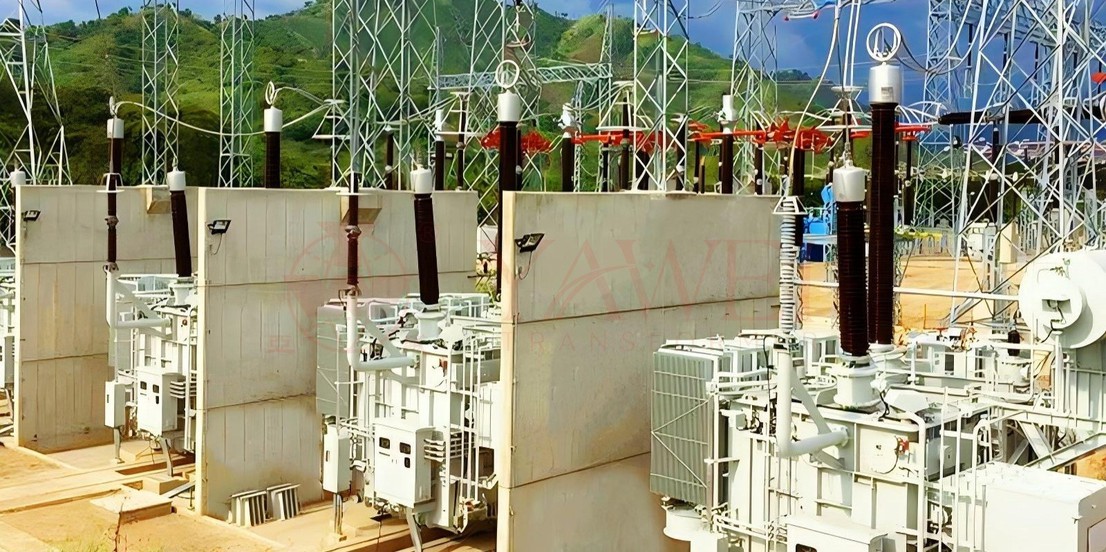
(Click the image to know more.)
What Is a Transformer?
A transformer is an electrical device that transfers energy between circuits using electromagnetic induction. The key thing it does is change voltage levels.
In everyday terms, transformers help electricity do two important jobs:
Boost voltage so it can travel long distances without wasting too much energy
Lower voltage so power is safe and usable for homes, schools, hospitals, businesses, and factories
Without transformers, transmitting electricity over long distances and delivering it safely to consumers would be a lot more difficult (and frankly, far less efficient).
What Is a Substation?
A substation is a facility in the electrical grid where power gets controlled, routed, and-often-adjusted before it continues to the next part of the network.
A substation is basically where electricity "gets managed." Inside, you'll usually find things like:
Circuit breakers and disconnect switches
Protective relays
Busbars
Monitoring equipment
Transformers (depending on the substation design)
Substations don't just help move electricity-they also help protect the grid when something abnormal happens.
How Transformer and Substation Systems Work Together
Here's where it gets pretty interesting: the transformer and substation work like a team.
The transformer handles voltage conversion
The substation handles control, switching, distribution, and protectio
A simplified version of how electricity typically flows looks like this:
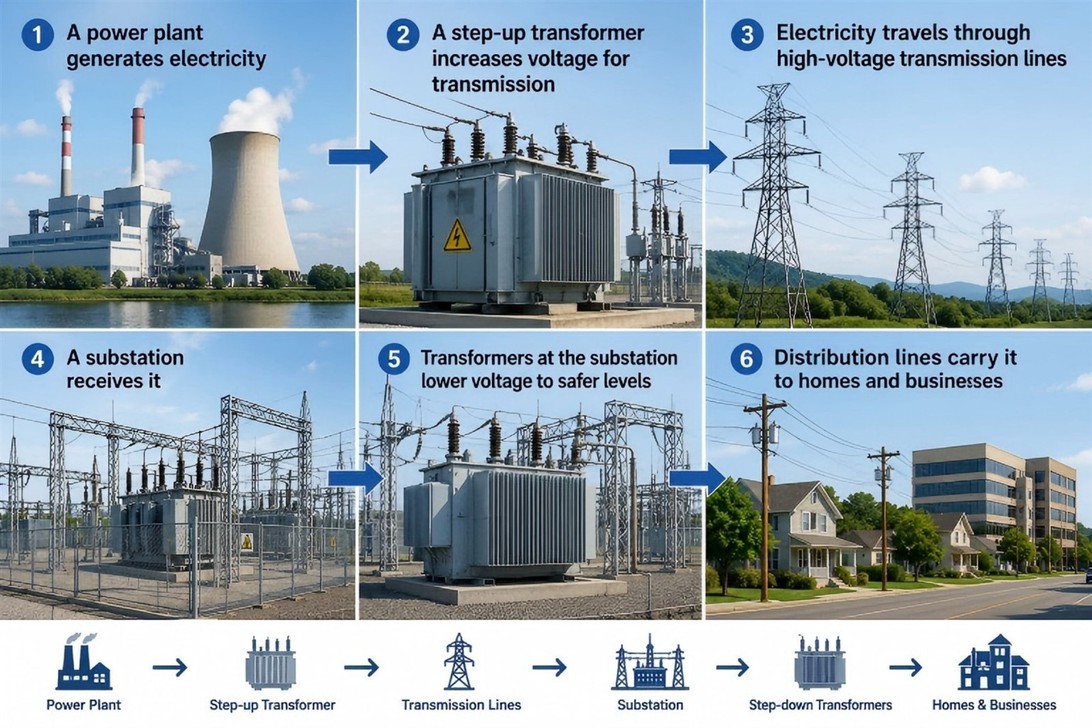
When everything's working smoothly, the grid runs efficiently and outages are less likely. When either part has problems, you can end up with voltage issues, equipment stress, or interruptions.
Types of Substations
Not every substation is built for the same job. Depending on where it sits in the power system and what it's meant to do, you'll see different types:
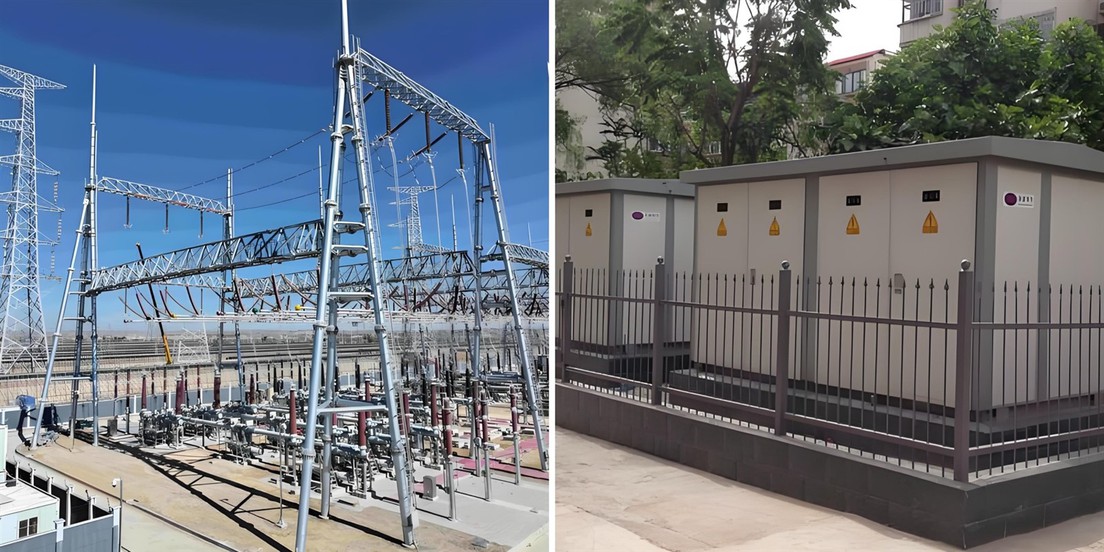
Transmission Substations
These are built to connect transmission lines and move bulk power at very high voltages.
Distribution Substations
These step transmission voltage down into levels that work for local delivery-often closer to neighborhoods and businesses.
Industrial Substations
Big industrial sites sometimes need their own substations to manage heavy loads safely and keep power quality steady.
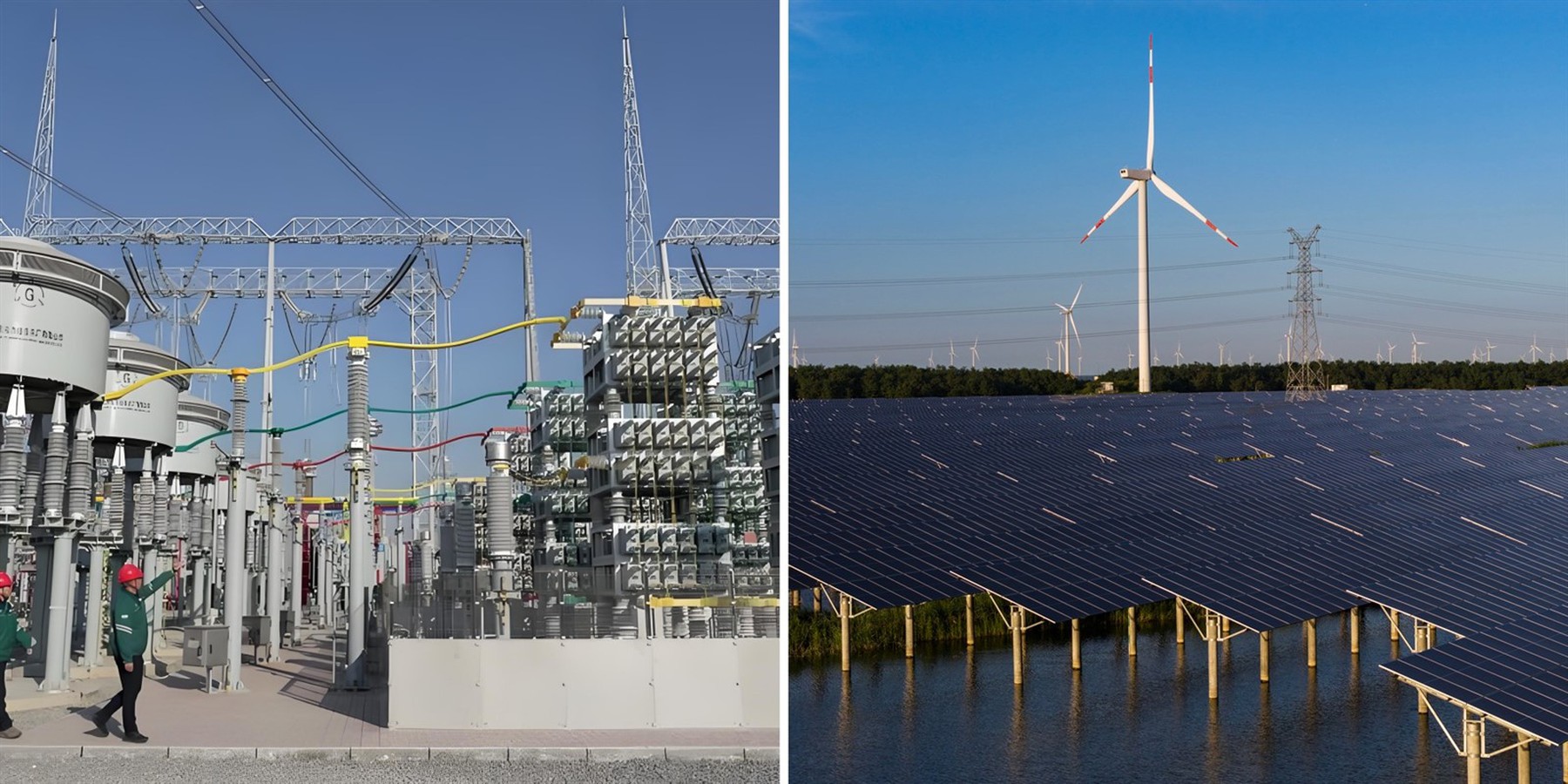
Renewable Energy Substations
With more solar and wind generation coming online, substations also help integrate renewable power into the existing grid.
Why Transformer and Substation Maintenance Matters
A transformer and substation aren't "install it and forget it" pieces of equipment. They run for long periods, but they still wear down over time. Heat, moisture, dust, aging components, and electrical stress can all cause trouble if nothing is done.
Maintenance may include:
Testing transformer oil and insulation condition
Thermal inspections to catch overheating
Cleaning insulators to prevent performance issues
Checking protective relays and switching gear
Monitoring load and operating conditions
Inspecting cooling and ventilation systems
If maintenance gets skipped, failures become more likely-and emergency repairs tend to be both costly and disruptive. Preventive care keeps the system stable, and honestly, it's cheaper than waiting for a breakdown.
Safety Around Transformer and Substation Facilities
High-voltage sites are serious business. A transformer and  substation facility contains dangerous electrical energy, and even small mistakes can lead to severe injury or worse.
That's why these areas are typically protected by:
Security fencing and restricted access
Warning signs
Grounding systems
Safety procedures and specialized worker training
Monitoring systems to detect problems early
For everyone else, the best rule is simple: don't enter or tamper with electrical facilities unless you're authorized and trained.
Final Thoughts
The transformer and substation are the foundation of how electricity moves from power plants to everyday users. Transformers make voltage work for long-distance transmission and safe end-use, while substations manage distribution and protect the grid.
So yeah-electricity might seem effortless on your end, but behind the scenes, this transformer and substation system is working nonstop to keep everything running.


