

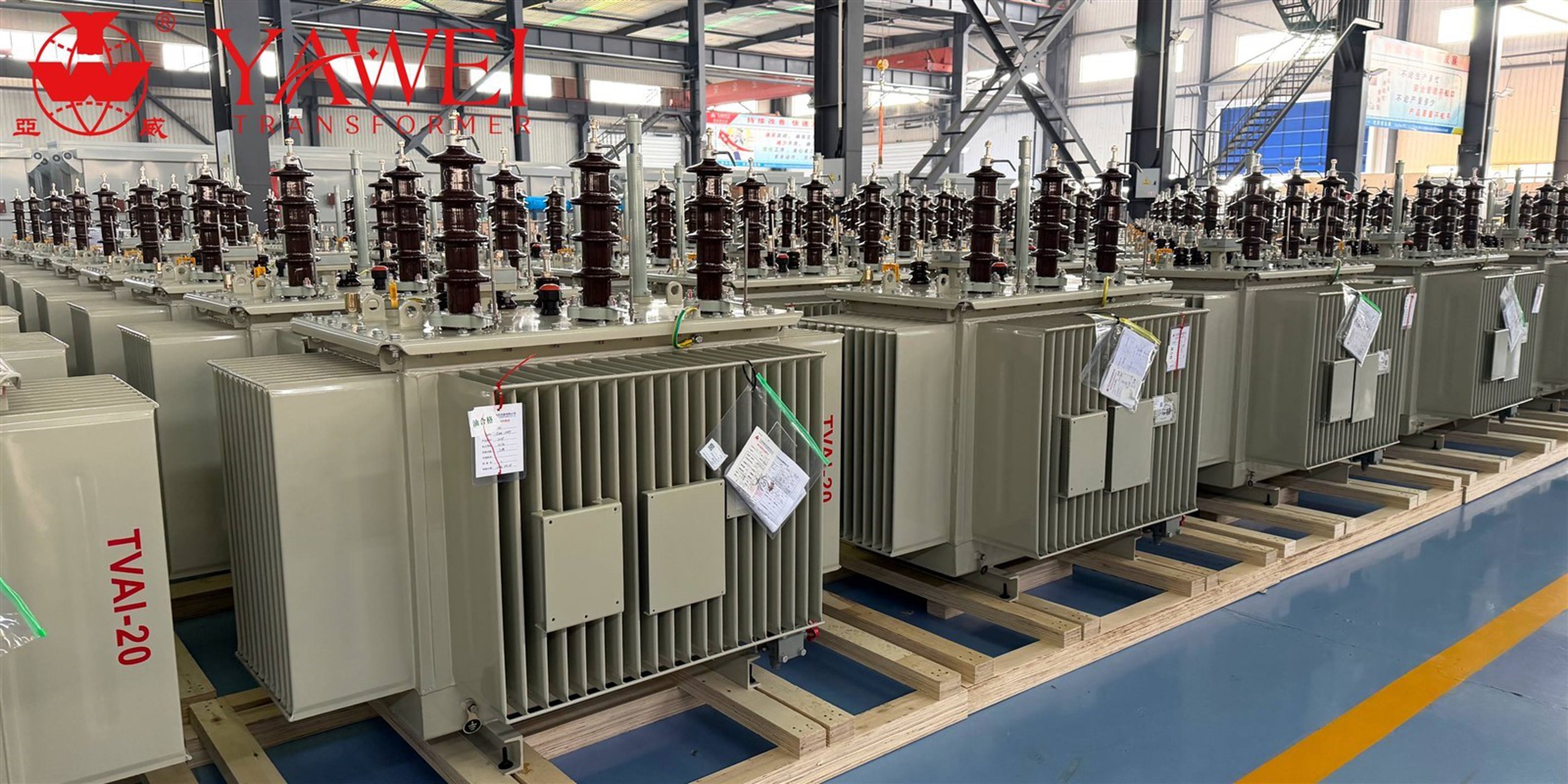
These 10kV oil-immersed three-phase double-winding transformers with on-load regulation are real workhorses in today's power distribution systems. They quietly step down 10kV to the usual 0.4kV while automatically adjusting to keep the voltage steady, even when the grid gets a bit wild. Thanks to the oil immersion, they get great insulation and cooling, which makes them tough enough for all kinds of demanding situations.
What Sets Them Apart
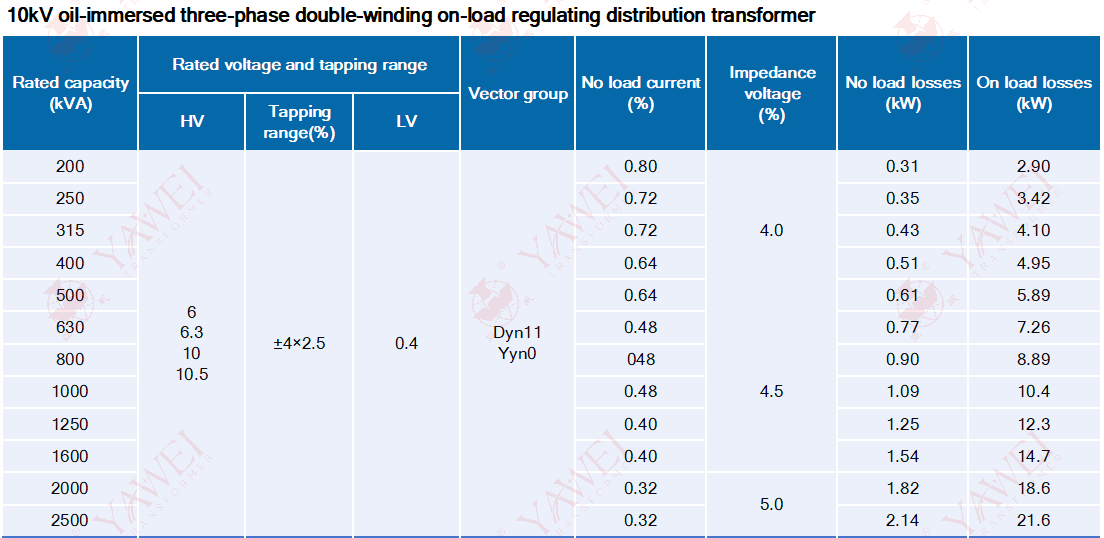
Basically, they have two separate windings – high voltage and low voltage – for efficient power transfer with pretty low losses. The standout feature is the on-load tap changer (OLTC). It lets the transformer tweak the voltage ratio (usually something like ±4×2.5%) without any shutdown, even when running at full load. That's incredibly handy when demand spikes or the supply gets shaky. The oil does a solid job with both insulation and heat, and the three-phase setup matches standard utility grids perfectly. Built with good-quality silicon steel cores and tight sealing, these units often keep going strong for 25 to 30 years if you look after them.
Where You'll Find Them in Action
You'll see them everywhere in urban and rural distribution substations, supplying homes, businesses, offices, and smaller factories. In fast-growing cities where electricity use jumps around during the day, the on-load regulation is a lifesaver. It keeps the voltage stable for places like hospitals, data centers, and high-tech manufacturing plants that really can't afford any dips or surges.
Industrial parks and big factories are another major spot. Production lines hate voltage fluctuations, and these transformers deliver clean, stable power while providing good electrical isolation. In places with long distribution lines, voltage drop is always an issue – these units handle it nicely and help improve overall efficiency.
They're also getting more important with renewables. Solar farms and wind projects often use 10kV collector systems, and the regulating ability helps smooth out the natural ups and downs of green energy. Same story with energy storage setups that need reliable two-way power flow.
In tougher spots – think mining operations, oil and gas sites, or remote infrastructure projects – their rugged oil-immersed design holds up better than dry-type options against heat, dust, and humidity. You'll also find them powering auxiliary systems for railways and metro networks.
Why They're So Popular
These transformers can handle overloads well, stand up to short circuits, and run fairly quietly. Since they regulate voltage themselves, you often don't need extra equipment, which saves money. Modern versions come with smart monitoring for oil condition, temperature, and tap position, so maintenance becomes a lot more predictable.
In many parts of Asia and Europe, utilities have noticed real improvements after switching to these on-load models – fewer voltage complaints and noticeably better reliability numbers. Some industrial areas have even seen voltage stability jump by 15-20%.


