

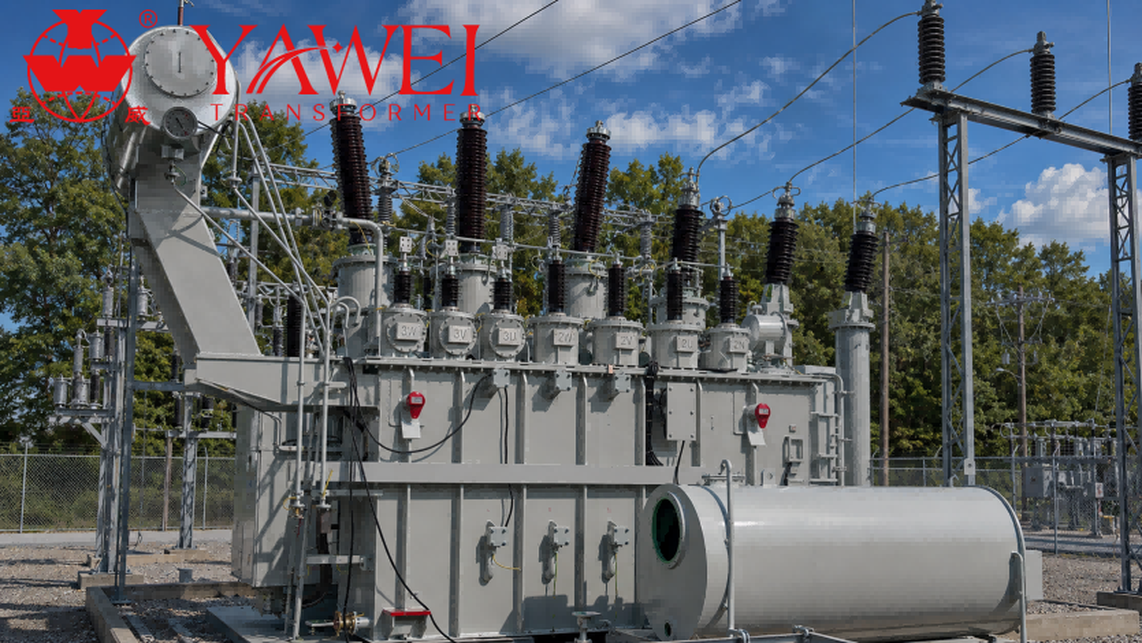
The 110kV oil-immersed three-phase double-winding transformer with off-circuit (or unexcited) voltage regulation is one of those pieces of equipment that quietly keeps modern power systems running. It may not get much attention, but honestly, the grid would struggle without it. Its main job is simple: step voltage up or down efficiently while using mineral oil for insulation and cooling.
The design itself is pretty straightforward. There's one high-voltage winding-typically 110kV-and one lower-voltage winding that commonly delivers power at 35kV, 10.5kV, or 6.3kV. Since the tap changer can only be adjusted when the transformer is switched off, it's usually chosen for networks where voltage levels stay fairly stable and don't fluctuate too dramatically.
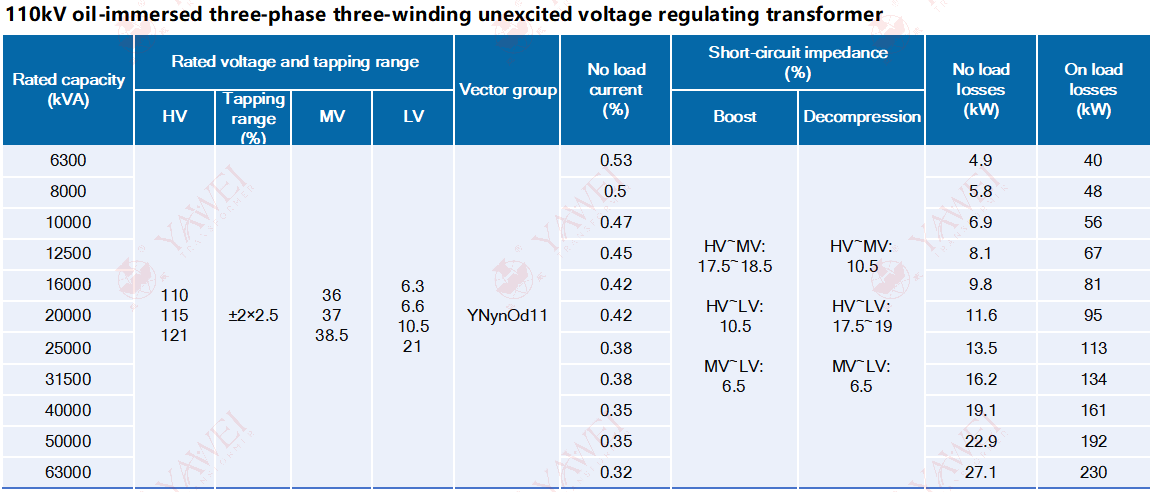
A Key Part of the Power Grid
You'll see these transformers in substations everywhere, especially in high-voltage transmission and distribution systems. They handle the important task of reducing electricity from 220kV or 330kV transmission lines down to 110kV for regional networks, and sometimes even lower for local distribution.
Power plants rely on them too. Without these transformers, getting generated electricity safely into the grid would be a whole lot more complicated.
One reason they're so widely used is flexibility. They're available in many different capacity ranges, from just a few MVA all the way up to several tens of MVA. So whether it's a busy urban area or a remote rural network, there's usually a model that fits the job.
The oil-immersed design brings several practical advantages as well. The mineral oil cools the core and windings efficiently, helps reduce energy losses, and even keeps operating noise relatively low. On top of that, these transformers have strong short-circuit resistance, which is a huge plus for outdoor substations where reliability matters more than anything else.
And to be fair, they're built to last. With proper maintenance, it's not unusual for one of these units to stay in service for 30 years or more.
Heavy Industry Depends on Them
Outside utility substations, these transformers are heavily used in industrial settings too. Steel mills, chemical plants, mines, and large manufacturing facilities all need stable medium-voltage power for motors, pumps, and production equipment. These transformers handle that demand day after day.
If voltage adjustments are needed, operators can simply change the tap settings during scheduled shutdowns. It's not as fancy as on-load tap changing, sure, but it's reliable and much easier to maintain.
Rail transportation is another major application. High-speed rail systems and metro networks use these transformers in traction substations to supply the correct operating voltage for trains. They also show up in airports, ports, and large data centers where dependable power is absolutely critical.
Renewable energy projects use them as well. In wind and solar farms, they help step up generated voltage before the electricity is connected to the main grid.
Why Utilities Still Prefer Them
There's a reason these transformers remain so popular even as newer technologies appear. They offer a really solid balance between performance, durability, and cost.
Compared with dry-type transformers, oil-immersed units generally handle overload conditions better and perform more reliably in high-temperature environments. Their insulation performance is excellent, partial discharge levels stay low, and mechanically they're quite rugged.
Another thing operators appreciate is efficiency. Lower operating losses over the transformer's lifetime can translate into significant energy savings. And when you're talking about utility-scale power systems, those savings add up quickly.
Of course, no transformer is completely maintenance-free. The insulating oil has to be monitored regularly for moisture, gas buildup, and contamination. Environmental protection is important too, so proper oil containment systems are necessary in case of leaks.
Still, modern protection devices make these transformers safer than ever. Equipment like Buchholz relays, temperature monitoring systems, and pressure protection devices help operators detect problems early-before they turn into major failures.
Looking Toward the Future
As power grids become smarter and renewable energy keeps expanding, these transformers are evolving along with the industry. Manufacturers are improving core materials, sealing systems, and insulation technologies to increase efficiency and reduce environmental impact.
In grids with highly variable loads, on-load tap changers definitely have advantages. But for applications where voltage conditions stay relatively steady, off-circuit tap-changing transformers are still a very practical choice. They're simpler, cheaper to maintain, and honestly, extremely dependable.
At the end of the day, the 110kV oil-immersed double-winding transformer is one of those behind-the-scenes machines that makes modern life possible. It's not flashy equipment, and most people never notice it sitting in a substation. But whether it's powering cities, factories, rail systems, or renewable energy plants, it keeps electricity moving safely and efficiently every single day.


