

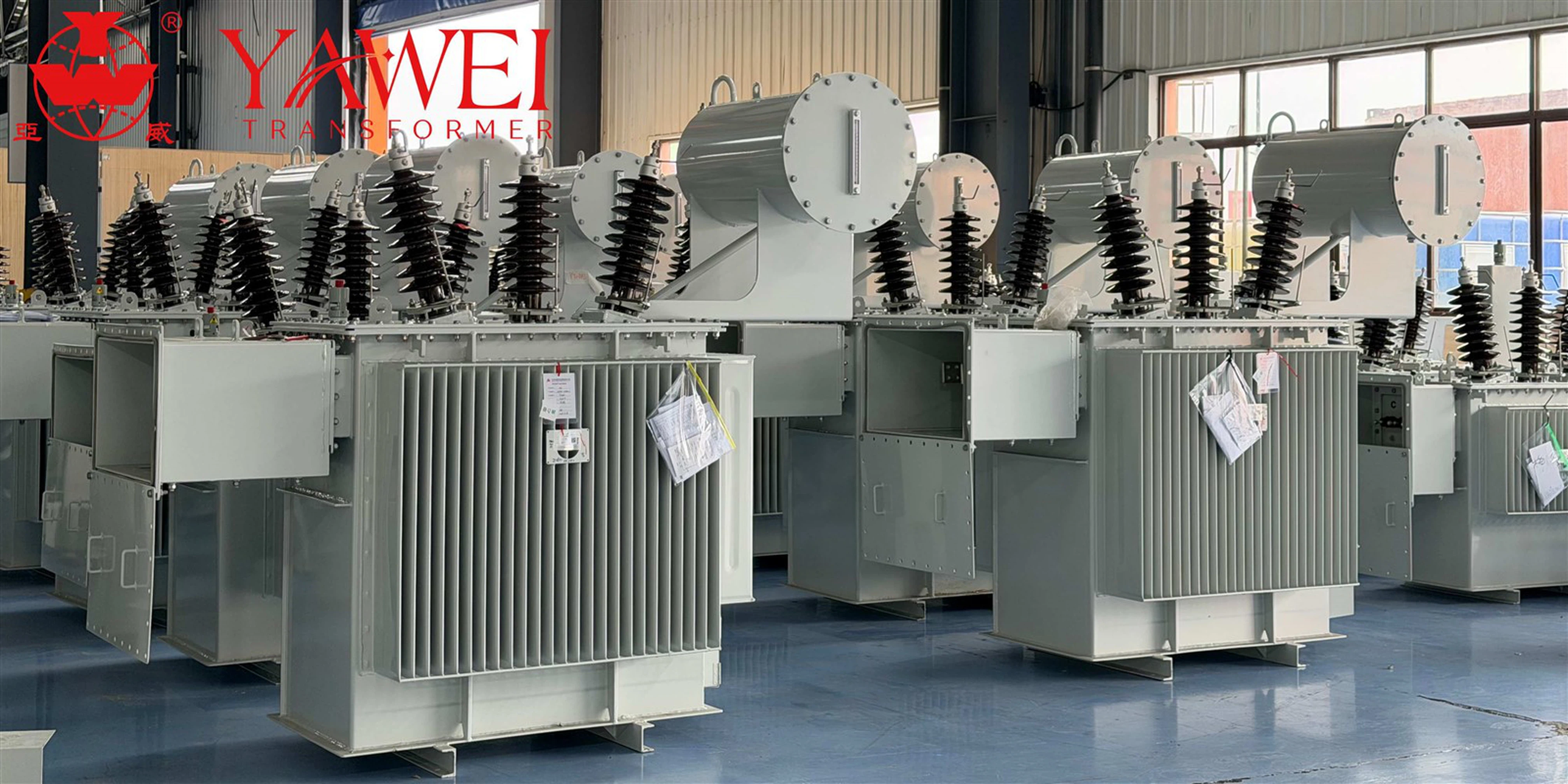
If you've worked around power systems for a while, chances are you've run into the 35kV oil-immersed three-phase double-winding on-load tap-changing transformer - usually called the SZ series or something similar. These transformers may not look flashy, but they're a huge part of keeping medium-voltage networks stable and reliable. Their main job? Stepping voltage down while still keeping the output steady, even when the load is constantly changing.
Why These Transformers Are So Widely Used
One reason they're so dependable is the oil-immersed design. Mineral oil acts as both insulation and a cooling medium, which helps the transformer handle heat efficiently while maintaining strong dielectric performance. In real-world operation, that matters a lot - especially in demanding environments.
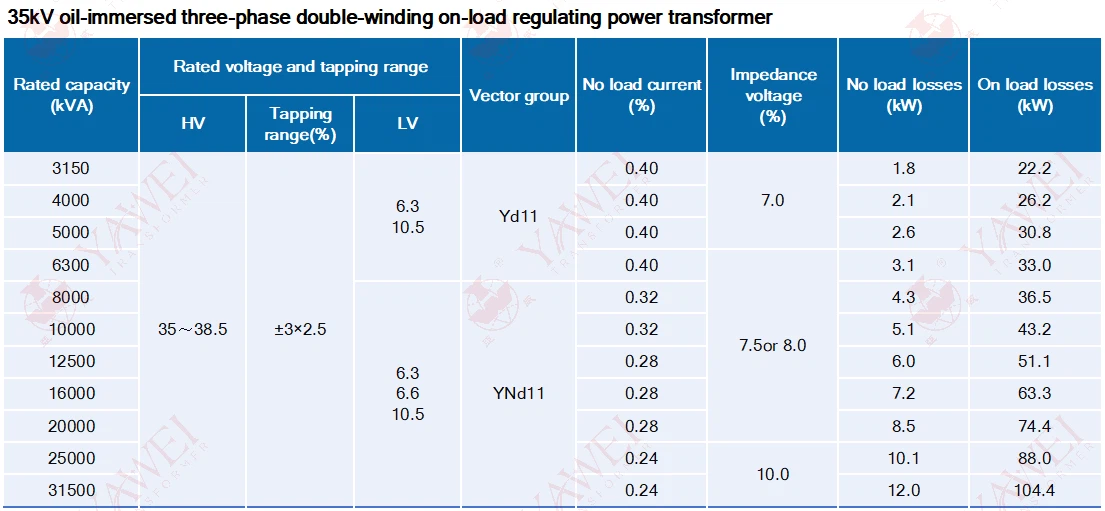
The three-phase structure is ideal for utility and industrial systems because it handles balanced loads efficiently and keeps power delivery smooth. The setup itself is pretty straightforward: one high-voltage winding and one lower-voltage winding. Typically, these units step power down from 35kV to 10kV, 6kV, or similar distribution voltages.
But honestly, the feature that really makes these transformers stand out is the on-load tap changer, or OLTC.
Instead of shutting the transformer down to adjust voltage, operators can change taps while the unit is still energized. Usually, the adjustment range is something like ±4×2.5%, depending on the design. That flexibility becomes extremely valuable when the grid is under stress - heavy industrial demand, long transmission distances, or renewable energy fluctuations can all cause voltage swings. The OLTC helps smooth those variations out without interrupting service.
And in today's power grids, that's a pretty big deal.
Where You'll Commonly See Them
These transformers are everywhere once you start paying attention.
In urban and rural substations, they're basically the backbone of local distribution networks. They step voltage down for residential areas, commercial buildings, and smaller industrial users. Since power demand changes throughout the day - morning startup peaks, evening residential loads, sudden industrial demand - the OLTC continuously helps maintain stable voltage levels.
Industrial facilities rely on them heavily too. Steel mills, chemical plants, mining operations - places with huge motors, crushers, pumps, or arc furnaces - often experience dramatic load fluctuations. A transformer that can handle those swings without causing instability is worth its weight in gold.
The oil-immersed construction also helps in harsher environments. Dust, heat, vibration... these units are built to take a beating.
You'll also find them in regional substations connecting higher-voltage transmission systems to local distribution grids. And with renewable energy growing fast, they've become even more important. Wind farms and solar plants commonly connect through 35kV systems, where voltage can fluctuate depending on weather conditions. On-load voltage regulation helps keep the grid much more stable when generation output changes unexpectedly.
Large infrastructure projects use them too - hospitals, airports, data centers, rail systems, commercial complexes. Basically anywhere stable, uninterrupted power is critical.
Why Engineers Like Working With Them
Voltage stability is probably the biggest advantage.
By adjusting taps automatically during operation, these transformers help avoid under-voltage and over-voltage conditions that could damage downstream equipment or reduce system efficiency. That alone makes them incredibly valuable in modern distribution networks.
They're also known for relatively low losses and solid operational efficiency. Most designs can tolerate temporary overload conditions reasonably well, which adds another layer of reliability during peak demand periods.
Modern units are generally well sealed and equipped with protection systems like:
Buchholz relays
winding temperature indicators
oil temperature monitoring
pressure relief devices
So while maintenance is still important, they're not overly difficult to manage if handled properly.
A Few Things Engineers Usually Consider
Choosing the right transformer isn't just about voltage ratings.
Engineers typically evaluate capacity, impedance, cooling method (like ONAN or ONAF), tap range, and installation conditions before making a decision. Environmental factors matter more than people sometimes realize - altitude, ambient temperature, humidity, and pollution levels can all affect long-term performance.
Standards compliance is another big one. Most projects follow IEC, GB, or similar national standards to ensure reliability and compatibility.
And of course, regular maintenance still matters. Oil testing, insulation checks, and occasional OLTC servicing go a long way toward extending transformer life. A well-maintained unit can easily stay in service for decades.
Final Thoughts
At the end of the day, 35kV oil-immersed on-load tap-changing transformers are one of those pieces of equipment that quietly keep modern power systems running. They support cities, factories, renewable energy plants, mines, transportation systems - pretty much everything that depends on stable electricity.
As grids continue expanding and renewable integration increases, these transformers will probably become even more important than they already are.
And if you're planning a new project, it's always worth discussing the details directly with the manufacturer. A properly customized transformer setup can make a huge difference in long-term performance and reliability.


