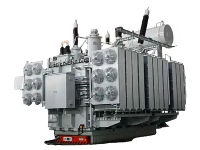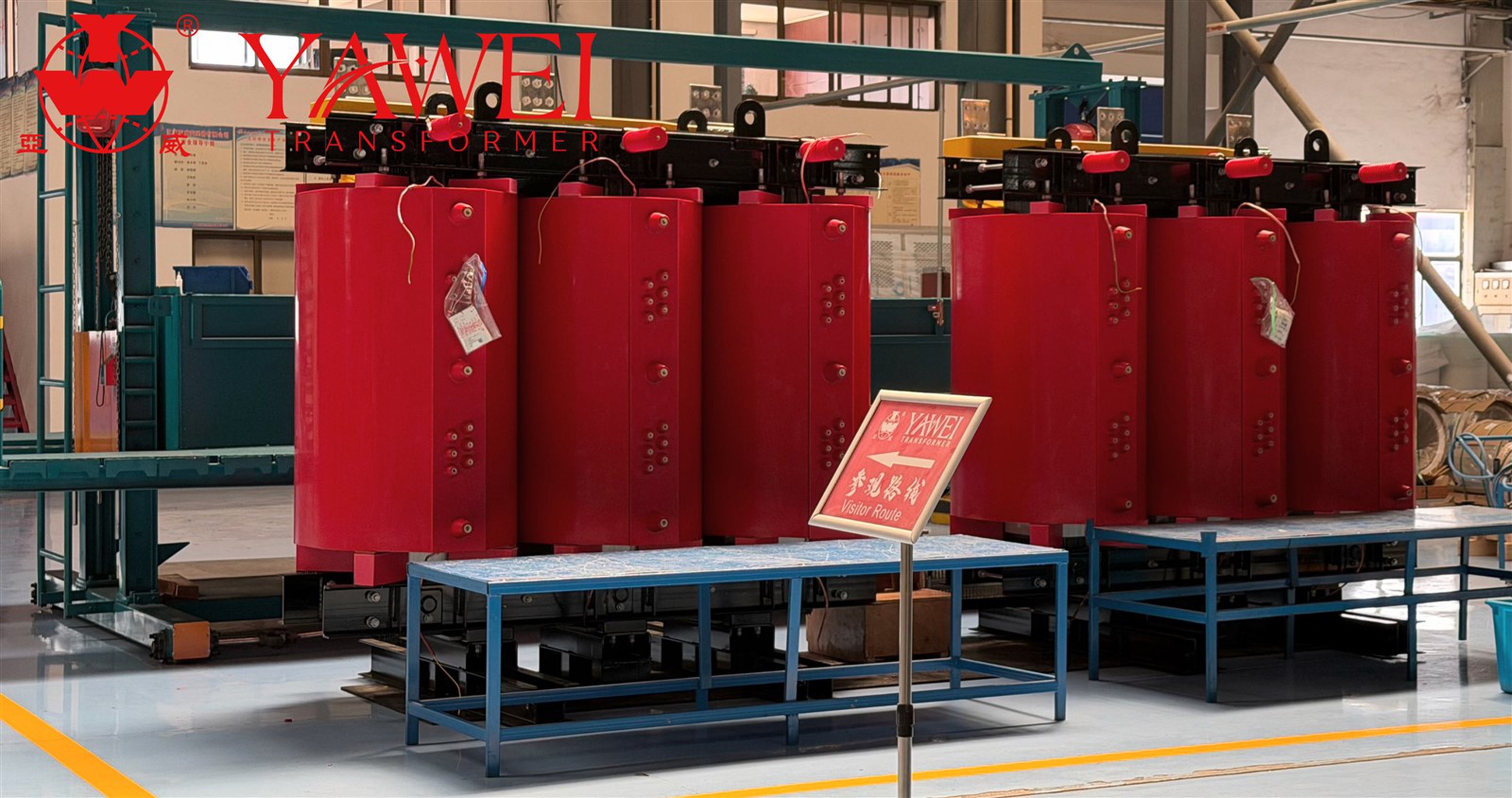
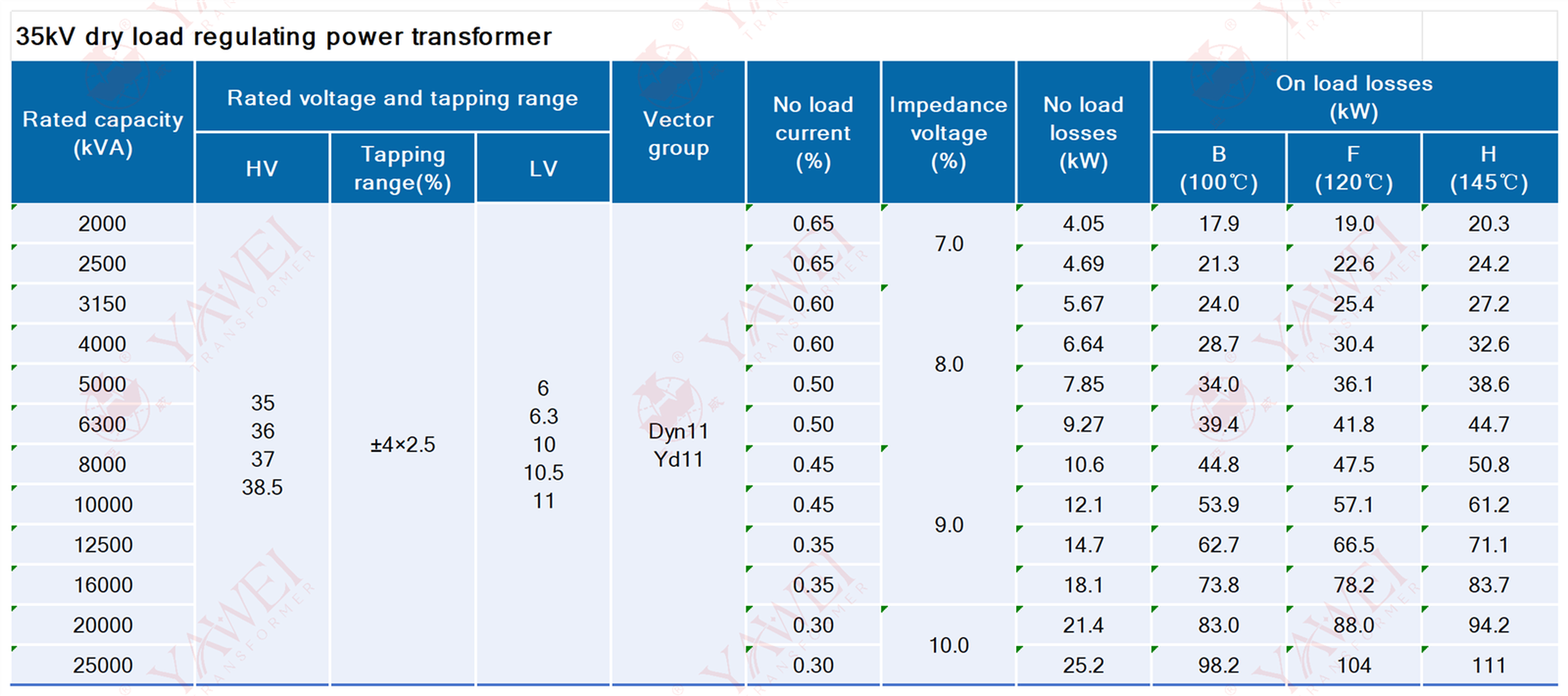
In modern power distribution systems, the 35 kV dry load regulating power transformer helps maintain the power supply effectively. It is not always noticed. Still, it does important work every day. It supports factories, commercial buildings, renewable energy stations, and urban substations.
A dry-type transformer does not use insulating oil for cooling. Instead, it uses air and solid insulation materials. This choice matters. It improves safety. It also supports indoor installation and helps with environmental needs.
So, where is a 35 kV dry load regulating transformer used? It is used in many places.
Urban Power Distribution Systems
One common use is in city power systems. Many cities have space limits. They also have strict fire safety rules. They often have higher environmental rules. Oil-filled equipment can create extra concerns. People may worry about leaks. They may also worry about the risk of fire in crowded areas.
For this reason, dry-type transformers fit well in these areas.
A 35 kV dry load regulating transformer can be placed in commercial buildings. It can also be placed in underground substations. It can fit in small utility rooms. It does not need oil containment systems that are hard to manage. It also helps control voltage when loads change. That helps keep power stable.
In cities, demand changes all the time. During peak hours, malls and business districts use more power than at night. The transformer adjusts the voltage under load. This helps keep the supply steady.
Most people only notice when voltage problems start.
Industrial Manufacturing Facilities
Another main use is in industrial plants. These plants often have heavy equipment. They may also have large motors. They may have machines that start and stop often.
Steel mills, mines, chemical factories, and machine shops often see sudden load changes. Many machines may start at the same time.
A normal transformer may not keep the voltage stable in these cases. A load-regulating transformer can change tap settings while it is working. This helps reduce voltage drops. It also helps improve power quality.
Unstable voltage can harm equipment. It can also lead to more downtime. It can affect how well production works. In automated production lines, even small voltage changes can stop work. Then production can be delayed. That can cost a lot.
Dry-type transformers also help in places where fire safety matters. Some industries handle materials that burn. They often work indoors. Avoiding oil-based insulation can make things safer.
Renewable Energy Projects
Renewable projects bring new power system challenges. Solar and wind power do not always produce steady power. The weather can change fast. Output can rise and fall quickly.
A 35 kV dry load regulating transformer helps smooth these changes. It helps keep the voltage more stable.
For solar farms, output changes during the day. It depends on sunlight. For wind farms, output changes with wind speed. These changes can affect voltage. Transformers support voltage control and grid stability during these shifts.
Many renewable projects aim to lower environmental risk. Dry-type transformers support this goal. They do not use insulating oil. So there is less risk of oil leaking into soil or water. Operators like this benefit.
Commercial and Public Infrastructure
Large public sites also use these transformers. Airports, hospitals, subways, convention centers, and data centers need reliable power. Many of these sites run all day. So even short power issues can cause big problems.
Hospitals are a clear example. Medical equipment needs a steady voltage. A transformer with load-regulating control helps lower voltage changes. It improves daily operations.
Data centers also need high power quality. Small voltage changes can affect servers and network gear. So stable power is not just helpful. It is required.
Dry-type transformers are often chosen for indoor use. They can be safer for the environment. They also need simpler maintenance.