

Let's face it: when people talk about cloud computing, AI, or massive hyperscale facilities, the spotlight usually goes to the flashy stuff-cutting-edge servers, liquid cooling rigs, or high-speed networking gear. But behind all that silicon is a massive, power-hungry beast. Data centers are devouring electricity at an unprecedented rate, and keeping that beast fed means relying on a heavy-duty electrical backbone.
At the absolute heart of this setup is the humble transformer. They aren't just gray boxes sitting outside the building; they're the unsung heroes making sure electricity gets from the utility grid to thousands of 24/7 server racks safely, cleanly, and without a hitch.
Here is a realistic look at how power actually flows through a modern data center, and why transformers are tucked into almost every single corner of the architecture.
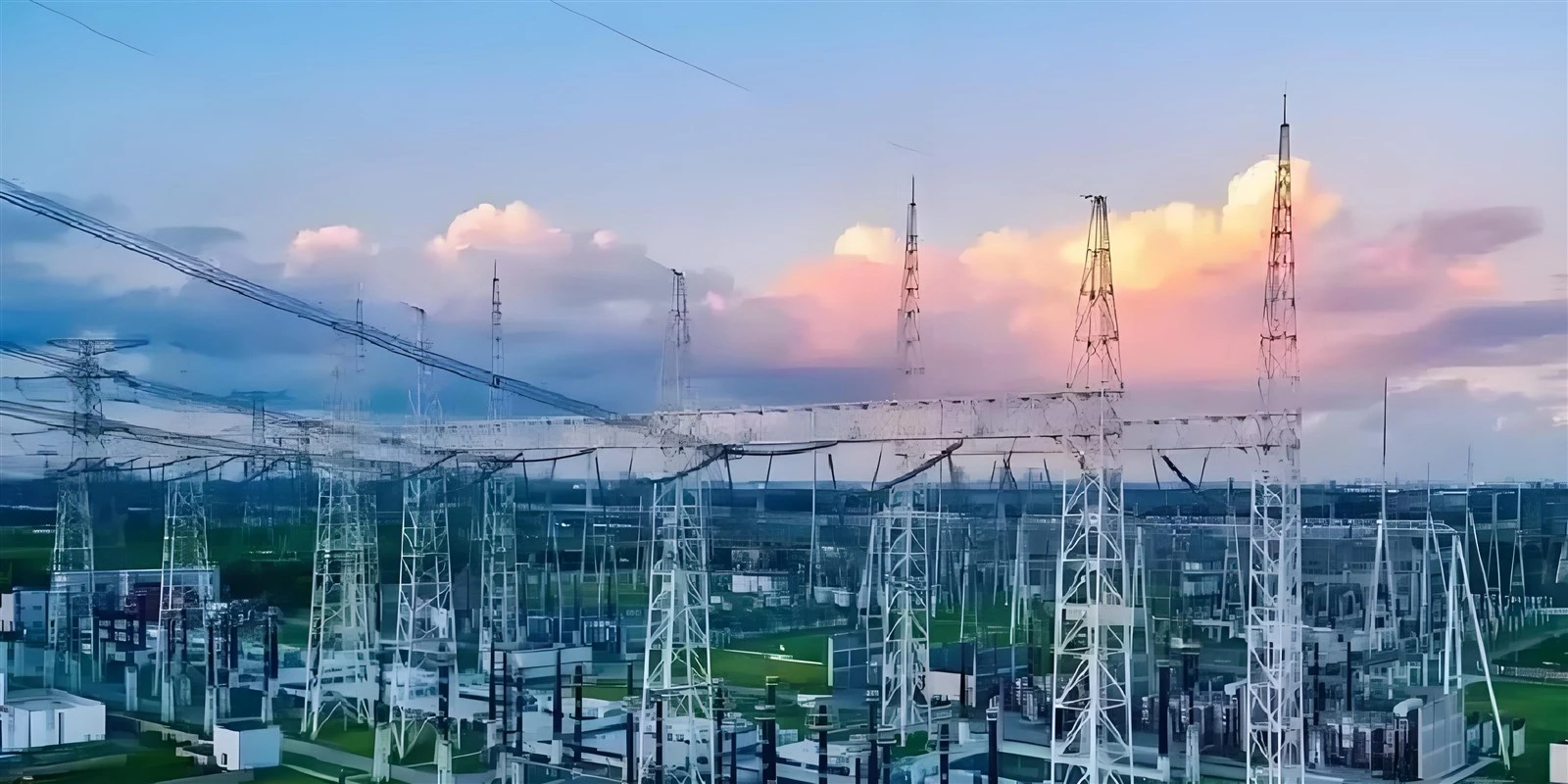
Mapping Out the Power Path
To keep a data center from going dark, the electrical layout has to be incredibly structured yet resilient. If you look at the blueprint of a standard facility, the power journey looks something like this:
Utility Grid Medium-Voltage Switchgear Main Transformer Low-Voltage Switchgear UPSPDU Server Racks
It looks linear on paper, but each step is a critical checkpoint. And more often than not, a transformer is doing the heavy lifting between those steps.
1. High Voltage at the Gate (Utility & Medium-Voltage Switchgear)
Data centers don't just plug into the wall. They pull massive amounts of 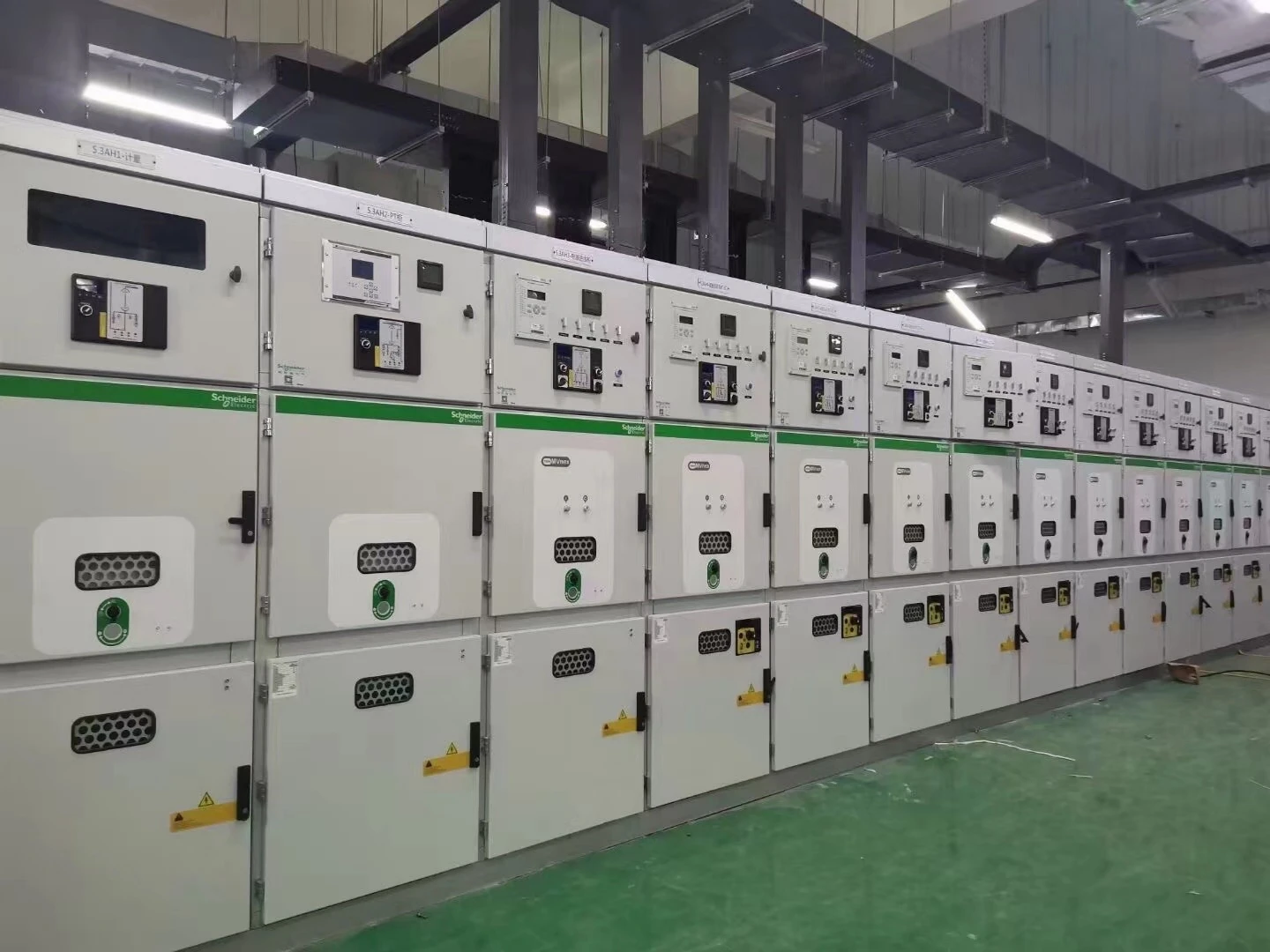 juice directly from the utility grid at medium voltage levels-usually anywhere from 11kV to 33kV.
Before that raw power goes anywhere near the data hall, it hits the medium-voltage switchgear. Think of this as the traffic cop and bodyguard of the system. It handles:
-
Fault isolation (stopping an electrical issue before it blows up the whole system)
-
Circuit protection and load management
-
Real-time power monitoring
But here's the catch: that incoming voltage is high enough to instantly fry IT equipment. Enter the transformers.
2. Stepping It Down (The Main Power Transformers)

This is the first major pitstop. Right between the utility feed and the facility's low-voltage distribution sits the main power transformer.
Its job? Knock that 22kV (or whatever the local grid throws at it) down to something usable, like 415V or 480V. But it's not just about changing the numbers. These transformers provide electrical isolation (keeping grid nastiness away from internal systems) and build the foundation for redundancy. In huge hyperscale sites, you'll see multiple main transformers running in parallel. That way, if one dies or needs maintenance, an N+1 or 2N redundant setup ensures the servers don't even blink.
3. The Safety Net (Low-Voltage Switchgear & UPS Systems)

Once the voltage is at a manageable level, it streams through low-voltage switchgear and heads straight for the Uninterruptible Power Supply (UPS) systems.
We all know what a UPS does-it's the ultimate bridge between grid power and backup generators. If the utility power drops, the UPS kicks in instantly. They are non-negotiable for:
-
Bridging the gap during utility outages until generators fire up
-
Smoothing out voltage sags and spikes
-
Protecting insanely sensitive IT gear from "dirty" power
4. Cleaning Up the Signal (UPS Output Transformers)

Here's where things get a bit messy. Modern servers and power electronics are "nonlinear loads," meaning they draw power in weird, uneven chunks rather than a smooth wave. This creates electrical noise, or "harmonics," which can wreak havoc on a system-especially in AI-heavy data centers packed with dense GPU clusters.
To fix this, many facilities drop transformers right on the output side of the UPS. These guys act as filters. They provide:
-
Harmonic mitigation (cleaning up the electrical noise)
-
Voltage conversion and neutral creation
-
Better grounding
For these harsh environments, engineers usually throw in specialized K-rated or Harmonic Mitigating Transformers (HMTs) because standard transformers would just overheat and give up.
5. Getting Closer to the Rack (Power Distribution Units - PDUs)

After the UPS cleans things up, the power moves into the actual data hall via Power Distribution Units (PDUs). A PDU is basically a glorified, smart breaker panel on steroids. It handles branch circuit distribution, monitors loads, and prevents overcurrent.
But a lot of floor-standing PDUs also have isolation transformers built right into them. They'll take that 480V and step it down one last time to 208V or 120V for the racks, while stripping out any remaining electrical noise. For mission-critical setups, transformer-based PDUs are still the gold standard for reliable power delivery.
6. Managing the Chaos (Remote Power Panels - RPPs)

As data halls grow, running hundreds of cables from a central PDU to individual racks becomes a nightmare. That's where Remote Power Panels (RPPs) come in.
Now, RPPs usually don't have transformers inside them. They are essentially satellite breaker panels. But they're worth mentioning because they cut down cable congestion, make it way easier to expand capacity, and let techs add new circuits without tearing up the infrastructure.
7. The Final Foot: Rack PDUs & the Server PSU

Finally, the power hits the rack. Intelligent rack PDUs (ePDUs) distribute the AC power directly to the individual servers. These smart strips track power metrics in real-time and let operators cycle power remotely.
Inside each server box, the internal Power Supply Unit (PSU) takes over, doing the final conversion from AC power to the steady DC voltages (12V,5V, etc.) that the processors and memory modules actually run on.
Transformers Do Way More Than You Think
If you take away one thing from this, it should be that transformers aren't just voltage changers. In a modern digital environment, they are multi-tool survival gear. They are directly responsible for:
-
Rock-Solid Reliability: By isolating systems and supporting redundant paths, they keep the uptime guarantees alive.
-
Power Quality: They act as filters, killing harmonics and electrical noise before it damages microchips.
-
AI Readiness: AI and high-performance computing (HPC) create massive thermal and electrical stress. Advanced transformers are literally built to handle these erratic, high-density workloads without melting down.

What's Next?
The insane rise of AI and edge computing is forcing transformer technology to evolve. The next generation of data center transformers is focusing hard on higher-efficiency cores to cut down on energy waste, smarter monitoring sensors to predict failures before they happen, and smaller physical footprints because space in a data hall is money.
At the end of the day, a data center's electrical architecture is an incredibly complex ecosystem. From the moment power leaves the grid to the second it boots up an AI model, transformers are the vital links holding the whole chain together.
FAQ
A: It depends on the quantity and capacity of the transformer, normally within one month since the date drawing confirmed by buyer.
A: 24 months since the date transformer operated.
A: T/T (wire transfer) preferred, L/C both accepted.


