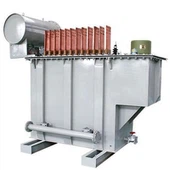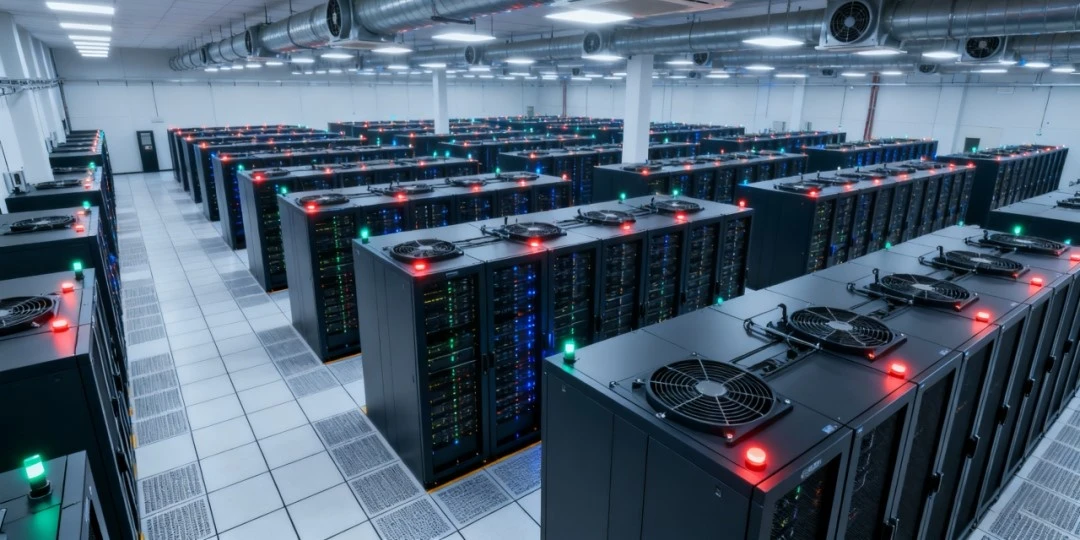
Let's face it-modern data centers are packed to the brim with non-linear loads. We're talking about thousands of servers, massive UPS setups, variable frequency drives (VFDs), and networking gear. They are the backbone of today's digital world, sure, but they have a nasty habit of messing up power quality by throwing harmonic currents back into the system. That's exactly where harmonic mitigating transformers (HMTs) come into play.
| Aspect | Standard Transformer | K-Rated Transformer (Enhanced) | HMT (Harmonic Mitigating) |
| Harmonic Tolerance | Poor, prone to overheating | Good (oversized to handle heat) | Excellent (actively cancels harmonics) |
| Voltage Distortion | High (severe flat-topping) | Still relatively high | Significantly reduced |
| Losses | High (extra I²R and eddy current) | Higher than standard | Low (flux cancellation reduces losses) |
| Efficiency | Baseline | ~30% higher losses than needed | Much better than standard (clear energy savings) |
| Cost | Lowest | 1.5–2× | 1.5–4× (but fast payback via energy savings) |
| Best Applications | Linear loads | High-harmonic loads (no mitigation needed) | High non-linear loads (data centers, offices) |
Note: HMT performs best in environments with >75% non-linear loads. It is often used in combination with standard or K-rated transformers.
What's the Deal with a Harmonic Mitigating Transformer?
To put it simply, a harmonic mitigating transformer isn't your standard run-of-the-mill transformer. It's a specialized piece of kit engineered specifically to neutralize the electrical chaos caused by digital equipment.
Instead of just taking the beating, an HMT uses clever phase-shifting tricks and unique winding designs to actively cancel out harmonic currents-especially those annoying triplen harmonics (the 3rd, 9th, 15th, and so on). The payoff? You get cleaner power, a more reliable grid, and much better efficiency across the board.
Why Harmonics Give Facility Managers Headaches
Because standard IT equipment doesn't draw power in smooth, pretty sine waves-it sips it in short, rapid pulses-it creates a ton of distortion. As rack densities skyrocket, this distortion piles up and triggers a domino effect of issues:
Hot hardware: Transformers and cables start running hot for no good reason.
Overloaded neutrals: The neutral conductor ends up carrying way more current than it should.
Unstable systems: You get random, annoying breaker trips and lower equipment efficiency.
Early deaths: Components burn out way before their time, leading to higher energy losses and lousy power quality.
Under the Hood: How HMTs Actually Work
HMTs don't just block the noise; they use destructive interference to kill it. By using specialized winding arrangements-like zig-zag or multi-winding setups-they shift the phase angles between the primary and secondary sides.
When these shifted waves meet, the specific harmonic frequencies essentially cancel each other out before they can infect the rest of your electrical system.
Key design features that make this happen include:
Clever zig-zag or multi-winding configurations.
Phase-shifted secondary setups.
Beefed-up neutral handling (because that's where the triplens love to hide).
A massive drop in voltage distortion and eddy current losses.
The best part? Because the HMT handles this at the transformer level, you can often skip buying extra, expensive external filters.

The Real-World Benefits
Investing in an HMT pays off in a few huge ways:
Rock-solid power quality: By dropping your Total Harmonic Distortion (THD), your sensitive IT gear gets the clean, stable voltage it craves.
Chilled-out neutrals: Triplen harmonics love to pile up on the neutral line. HMTs squash this trend, drastically cutting down on overheating risks.
Uptime insurance: Clean power means your UPS, switchgear, and backup generators aren't working overtime, which means fewer random outages.
Green gains: Less harmonic waste means less lost energy. Your PUE (Power Usage Effectiveness) will thank you.
Gear that lasts: Lower temps and less electrical stress mean your cables, transformers, and servers actually live out their full lifespans.
HMT vs. K-Rated Transformers: What's the Difference?
A lot of people confuse these two because they both live in high-harmonic environments, but they treat the problem totally differently. Think of it this way: a K-rated transformer is just built beefy enough to withstand the heat of a dirty system without melting down. An HMT actually cleans up the mess.
| Feature | Harmonic Mitigating Transformer | K-Rated Transformer |
| Active Harmonic Reduction? | Yes, absolutely | No |
| Handles Harmonic Heat? | Yes | Yes |
| Slashes Neutral Current? | Yes | Not really (very limited) |
| Power Quality Boost | High | Low |
| Data Center Role | Actively controls the harmonics | Just tolerates the harmonics |
Where You'll Spot Them
You'll typically find harmonic mitigating transformers dropped into the most critical parts of the power path:
The output distribution side of UPS systems.
Power Distribution Units (PDUs) and Remote Power Panels (RPPs) feeding the rows.
Right on the server room floor.
High-density environments like AI clusters, colocation hubs, and edge data centers.
The Takeaway
With data centers getting bigger and denser by the day, you can't afford to ignore power quality. Harmonic mitigating transformers are a bulletproof way to stomp out distortion, keep neutral currents in check, and protect your bottom line. If you're looking to build a reliable, efficient facility that won't give you surprises down the road, HMTs are a no-brainer investment.
FAQ
A: It depends on the quantity and capacity of the transformer, normally within one month since the date drawing confirmed by buyer.
A: 24 months since the date transformer operated.
A: T/T (wire transfer) preferred, L/C both accepted.