

The Future of Distributed Generation Technologies
Distributed generation is changing how electricity is produced, delivered, stored, and managed. Instead of relying only on large central power plants and long transmission routes, homes, businesses, campuses, utilities, and communities can use smaller power resources closer to where energy is consumed.
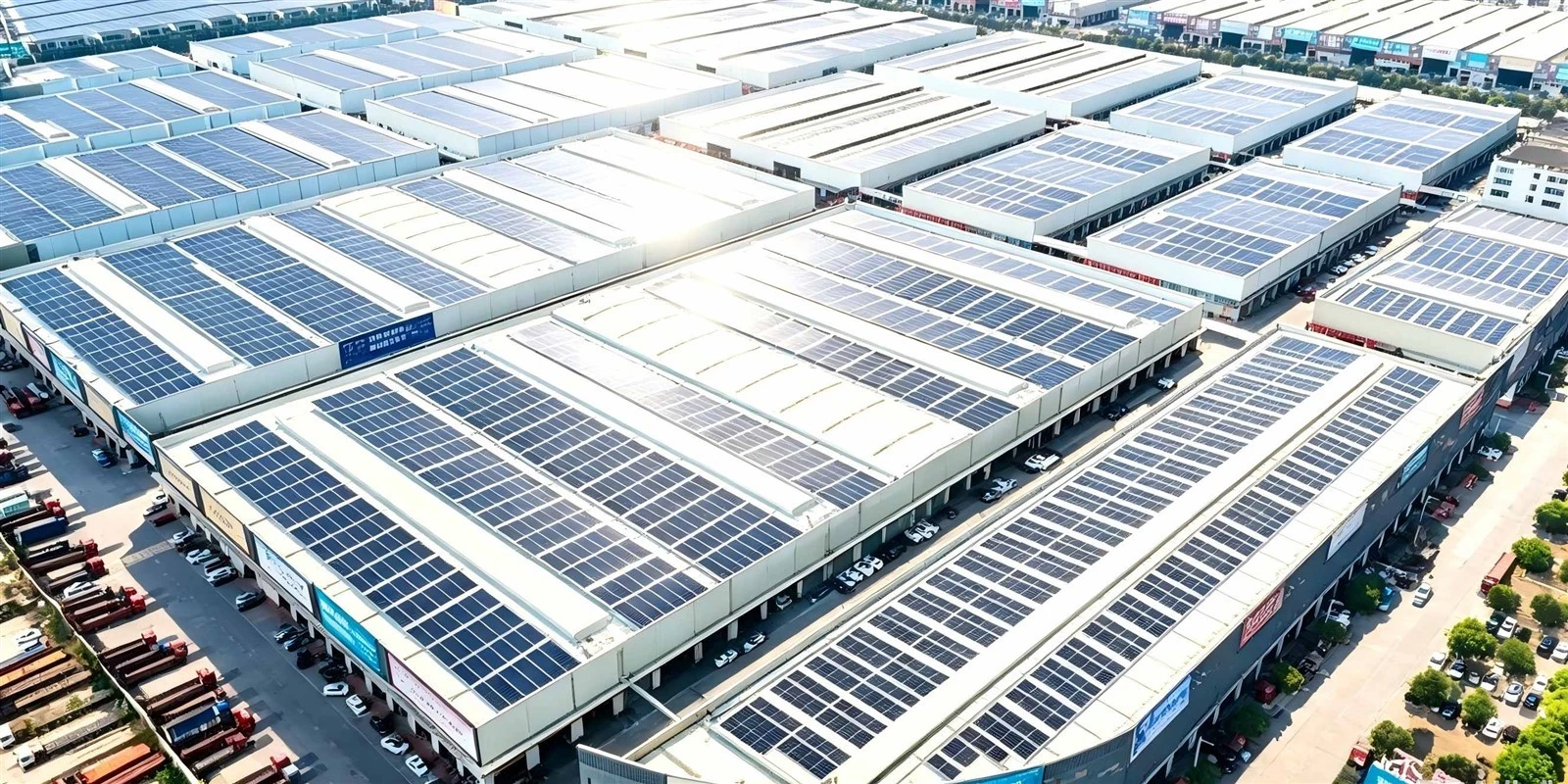
This guide explains the core technologies, the role of the grid, and the practical choices shaping the next stage of cleaner, more resilient power.
What is distributed generation?
Distributed generation is the production of electricity at or near the point of use, often through smaller-scale assets such as solar panels, wind turbines, combined heat and power units, battery storage, fuel cells, or backup generators. It is closely connected to distributed energy resources, a broader category that also includes controllable loads, electric vehicles, smart inverters, demand response systems, and energy management software. In simple terms, distributed generation shifts part of the power system from a one-way delivery model to a more flexible network where many sites can generate, store, and sometimes share electricity.
Traditional power systems were designed around large plants sending electricity through transmission lines, electrical substation equipment, distribution feeders, and finally to end users. That model still matters, and it will continue to provide essential stability and scale. Distributed generation adds another layer by placing useful capacity closer to homes, facilities, neighborhoods, and critical services.
This does not mean every building becomes fully self-sufficient. In most cases, distributed generation works best when it supports the larger grid rather than replacing it entirely. A rooftop solar array may reduce daytime demand, a battery may help manage peak usage, and a microgrid may keep critical operations running during an outage. Together, these assets create a more responsive energy ecosystem.
The grid is becoming more local, digital, and flexible
The future of distributed generation depends on more than installing equipment. It requires a smarter relationship between local energy assets and the wider electrical network. As renewable energy sources grow, the system must manage changing weather conditions, two-way power flow, local voltage impacts, and shifting customer demand.
In the past, electricity generally moved in one direction: from generation plant to transmission system to distribution grid to customer.
Distributed generation makes that flow more dynamic. A commercial building with solar and storage may consume power in the morning, export excess electricity in the afternoon, and draw from the grid again at night. When many sites do this at once, utilities must coordinate power quality, reliability, protection systems, and planning in new ways.
Digital controls are central to that shift. Smart meters, sensors, forecasting tools, advanced inverters, and distributed energy resource management systems help operators understand what is happening across the grid in near real time. These tools make it easier to balance supply and demand, identify stress points, and use local energy assets as part of a broader reliability strategy.

Why distributed generation is gaining momentum?
Distributed generation is gaining momentum because it can support resilience, reduce exposure to energy price volatility, integrate renewable energy sources, and give customers more control over how they use electricity. For communities, it can create local options such as community solar, neighborhood resilience hubs, and microgrid systems that serve essential facilities. For businesses, it can support energy cost management, operational continuity, and sustainability goals.
Several forces are pushing the market forward. Solar panels and batteries have become more familiar to property owners and energy planners.
Electric vehicles are turning parking lots, homes, and fleet depots into new electrical planning points. Extreme weather and grid disruptions have increased interest in backup power and local energy independence. At the same time, utilities and regulators are exploring ways to use distributed resources as grid assets rather than treating them only as customer-side additions.
The momentum is not just about technology. It is also about expectations. Customers increasingly want power that is cleaner, more reliable, and easier to understand. Communities want infrastructure that supports local priorities. Organizations want energy strategies that align with climate commitments without sacrificing performance.
Core distributed generation technologies
Distributed generation is not a single technology. It is a family of generation, storage, control, and interconnection solutions that can be combined in many ways. The right mix depends on the site, climate, electric load, budget, utility rules, available space, and resilience goals.
Solar photovoltaic systems

Solar photovoltaic systems are among the most visible forms of distributed generation. They can be installed on rooftops, parking canopies, open land, community solar sites, industrial properties, and municipal facilities. Their main advantage is that they convert sunlight directly into electricity with no fuel delivery requirement.
Solar output varies by time of day, season, shading, and weather. That variability does not make solar unreliable, but it does mean solar works best when paired with forecasting, smart inverters, energy storage, or flexible loads. For many customers, solar is the entry point into distributed energy because it is modular and can be scaled from a small home system to a large commercial array.
Battery energy storage
Battery storage is one of the most important technologies shaping the future of distributed generation. Storage can absorb electricity when production is high or prices are favorable, then release it when demand rises, outages occur, or local generation drops. This makes renewable energy sources more useful and gives customers more control over timing.
At the building level, batteries can help reduce peak demand, support backup power, and improve the value of on-site solar. At the community or utility level, storage can help manage congestion, smooth short-term fluctuations, and support local reliability. The strategic value of batteries comes from flexibility: they are not only a power source, but also a timing tool.
Combined heat and power
Combined heat and power systems produce electricity while capturing useful heat for buildings or industrial processes. They are most relevant for sites with steady thermal demand, such as hospitals, universities, manufacturing plants, hotels, and district energy systems. Because they use fuel to produce both electricity and heat, they can be more efficient than separate production when designed for the right application.
These systems may continue to play a role in resilience planning, especially where continuous operations are critical. Their future depends on fuel choices, emissions requirements, economics, and how they integrate with cleaner technologies. In some projects, they may serve as a bridge while facilities add more renewable energy, storage, and advanced controls.
Fuel cells and emerging clean generation
Fuel cells generate electricity through an electrochemical process rather than combustion. Depending on the fuel source and system design, they can provide steady local power with relatively low on-site emissions. They may be attractive for facilities that need quiet, continuous power and have limited space for other generation sources.
Other emerging technologies may also contribute to distributed generation over time, including small-scale wind, renewable fuels, advanced geothermal concepts, and hydrogen-enabled systems. Not every technology will fit every market. The practical test will be whether a resource is reliable, affordable, maintainable, safe, and compatible with local grid requirements.
Microgrid systems as the operating model for resilience
Microgrid systems bring distributed generation, storage, loads, and controls together into a coordinated local energy network. A microgrid can operate connected to the larger utility grid under normal conditions and, when designed to do so, separate into island mode during an outage.
That ability makes microgrids especially important for critical facilities, campuses, military sites, remote communities, hospitals, water treatment plants, and emergency response centers.
A microgrid is not just a collection of equipment. It needs a control strategy that decides which resources operate, which loads are prioritized, and how voltage and frequency remain stable. For example, a community resilience microgrid may keep a fire station, cooling center, medical clinic, and communications equipment powered while noncritical loads are reduced.
Key components of a practical microgrid include:
Local generation, such as solar, fuel cells, combined heat and power, or generators.
Energy storage to balance supply, demand, and transition events.
Controls that coordinate resources automatically.
Switchgear and protection equipment that support safe islanding.
Load management rules that identify what stays powered first.
Utility interconnection agreements that define operating requirements.
The future of microgrids will likely be more modular and software-driven. Instead of treating every project as a custom engineering challenge, more systems will use repeatable architectures, standardized controls, and preconfigured equipment packages. That can make microgrids easier to evaluate and deploy, especially for communities and commercial sites that need resilience but cannot manage excessive complexity.
The essential role of substations, transformers, and interconnection
Distributed generation may be local, but it still depends on the electrical infrastructure around it. The electrical substation, feeder, protection system, and power transformer all influence how much distributed generation can connect safely and how well it performs. Ignoring these grid-side realities can lead to delays, added costs, or operating limits.
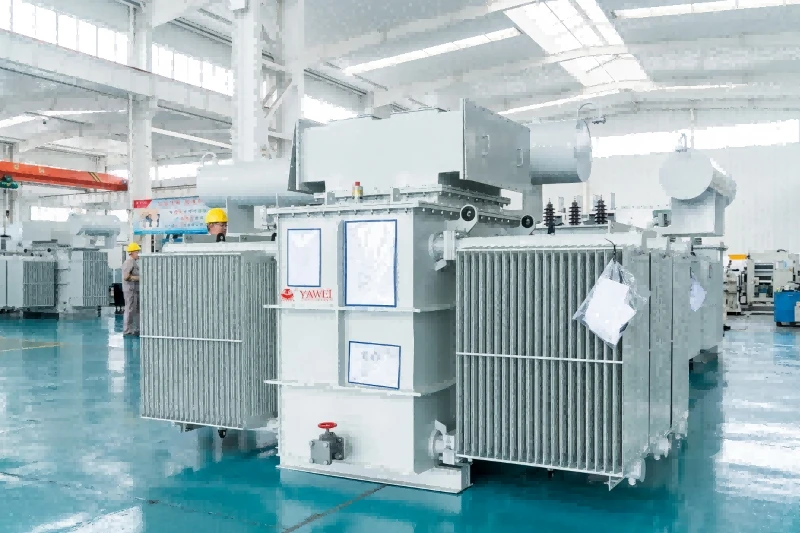
A power transformer helps adjust voltage between parts of the electrical system, making it possible to move electricity efficiently and serve customers safely. When distributed generation is added, power may flow in directions the local system was not originally designed to handle. This can affect voltage regulation, protection coordination, equipment loading, and maintenance planning.
Interconnection studies help identify these issues before a system is energized. They may evaluate fault current, voltage rise, thermal limits, protective devices, communication requirements, and control settings. For larger projects, upgrades may be needed at the site, along the feeder, or at the substation.
For project owners, this means the grid connection should be considered early. A strong business case can weaken if interconnection constraints are discovered too late. The best projects align technology selection, site design, utility requirements, and operating goals from the beginning.
Community solar and shared access to local power
Community solar expands distributed generation beyond people who own suitable rooftops or have the ability to install equipment on-site. In a community solar model, multiple customers subscribe to or participate in a shared solar project and receive some form of bill credit or energy benefit, depending on local program rules. This can help renters, multifamily residents, small businesses, nonprofits, and households with shaded roofs take part in solar energy.
The appeal is straightforward: community solar separates access to renewable energy from property ownership. It can also support local development when projects are designed with community priorities in mind. For utilities and developers, shared solar projects can be planned at a scale that may be easier to maintain than thousands of separate small installations.
However, community solar still requires careful program design. Customers need clear terms, transparent savings expectations, and reliable enrollment processes. Communities need to understand where projects are sited, who benefits, and how the program fits broader energy goals.
When done well, community solar can make distributed generation more inclusive rather than limiting it to early adopters with ideal buildings.
Energy independence without grid isolation
Energy independence is often misunderstood. For most customers, it does not mean disconnecting from the grid and managing every energy need alone. A more realistic definition is reducing dependence on a single source of power by combining on-site generation, storage, efficiency, flexible loads, and smart controls.
This kind of energy independence offers practical benefits. A facility may be able to operate through short outages, reduce peak demand charges, or maintain essential services when the broader system is stressed. A household may use solar and storage to keep basic circuits running. A town may support critical public services through a microgrid rather than relying only on distant infrastructure.
The grid remains valuable because it provides backup, balancing, market access, and shared capacity. Distributed generation is strongest when it adds options. The future is not a simple choice between central power and local power. It is a hybrid model where local resources and the bulk grid support each other.
How should organizations prepare for distributed generation?
Organizations should prepare by defining their energy goals first, then selecting technologies that match those goals instead of starting with equipment. A warehouse trying to lower daytime electricity costs may need a different solution than a hospital planning for outage resilience or a town developing a community solar program. Clear objectives make it easier to evaluate tradeoffs, utility rules, financing options, and long-term operations.
A practical planning process includes five steps:
Map current and future loads. Review electricity use, peak demand, seasonal patterns, critical loads, planned electrification, and expected growth.
Define the main outcome. Decide whether the priority is cost control, resilience, emissions reduction, energy independence, public benefit, or a combination.
Screen site conditions. Evaluate roof condition, land availability, electrical rooms, interconnection points, shading, safety access, and local permitting needs.
Coordinate with the utility early. Ask about interconnection requirements, feeder capacity, metering rules, export limits, and substation constraints.
Plan operations, not just installation. Identify who will monitor performance, maintain equipment, respond to alarms, and update controls as needs change.
This approach prevents a common mistake: treating distributed generation as a one-time construction project. These systems are operating assets. They need maintenance, data review, cybersecurity awareness, and periodic adjustment as utility programs, building loads, and technology options evolve.
Best practices for future-ready projects
A future-ready distributed generation project is designed for adaptability. Energy needs rarely stay fixed. Buildings add electric vehicle chargers, fleets electrify, heating systems change, production lines expand, and communities update resilience plans. A system that cannot adapt may become less useful even if it works exactly as installed.
Use this checklist when evaluating a project:
Build around the load. Start with how and when electricity is used, not with the largest system that can fit on-site.
Protect critical operations. Separate essential loads from nonessential loads when resilience is a goal.
Allow room for storage. Even if batteries are not installed immediately, consider space, conduits, controls, and interconnection impacts.
Check transformer and feeder limits. Local electrical equipment can shape project size and export capability.
Use smart controls. Advanced controls can increase value by coordinating generation, storage, and flexible demand.
Design for safety and maintainability. Equipment should be accessible, documented, labeled, and serviceable.
Consider cybersecurity. Connected energy assets should be managed with secure communications and responsible access controls.
Keep customers informed. For community solar and shared systems, clear communication is part of the product.
The best projects balance ambition with practicality. Oversizing a system, overlooking interconnection, or underestimating maintenance can create problems later. A measured design that performs reliably is more valuable than a complicated system that is difficult to operate.
Policy, markets, and customer participation will shape adoption
Technology is only one part of the future. Distributed generation also depends on tariffs, incentives, interconnection processes, building codes, utility planning, and electricity market rules. These frameworks determine how customers are credited, how resources are dispatched, and how costs are shared across the grid.
As distributed energy resources become more common, customer participation may become more active. A building might enroll a battery in a demand response program. A fleet of electric vehicles might charge when renewable production is high. A group of homes might support a local reliability need through coordinated controls. These models require trust, transparent rules, and systems that protect customer priorities.
Utilities will also need to plan differently. Instead of forecasting only load growth, they must consider where local generation, storage, and flexible demand may appear. In some cases, distributed generation can defer infrastructure upgrades. In others, upgrades will be necessary to unlock more local energy capacity. The strongest planning models will evaluate both options.
The future is an integrated energy network
The next phase of distributed generation will be defined by integration. Solar without controls, storage without a clear use case, or microgrids without operating plans will leave value on the table. The real progress comes when renewable energy sources, batteries, power electronics, substations, transformers, software, and customer behavior work together.
For homeowners, that may mean solar, storage, and electric vehicle charging managed through a simple platform. For businesses, it may mean combining on-site generation with demand management and backup power. For communities, it may mean community solar, resilience hubs, and microgrid systems that protect public services. For utilities, it may mean treating distributed assets as visible, forecastable, and dispatchable parts of the grid.
Distributed generation is not a side trend in electricity. It is becoming one of the ways the power system grows, adapts, and becomes more resilient. The organizations that prepare now by understanding their loads, grid connection, technology options, and long-term operating needs will be better positioned for a cleaner and more flexible energy future.
Q: How soon can you delivery the transformer?
A: It depends on the quantity and capacity of the transformer, normally within one month since the date drawing confirmed by buyer.
Q: How long can you provide the quality warranty?
A: 24 months since the date transformer operated.
Q: What payment method do you accept?
A: T/T (wire transfer) preferred, L/C both accepted.


