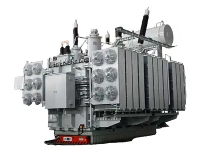
HVAC Installation: Transformer and Power Distribution Guide
HVAC installation is usually discussed from a mechanical perspective: chillers, air handling units, ducts, pumps, compressors, ventilation equipment, and controls. But for large commercial and industrial buildings, there is another part that deserves just as much attention-the electrical power system.
HVAC equipment can account for a substantial portion of a building's electrical demand. Large chillers, cooling towers, pumps, compressors, and air-conditioning systems all need a reliable power supply. That means the transformer, switchgear, cables, and protection system should be considered as part of the HVAC installation plan.
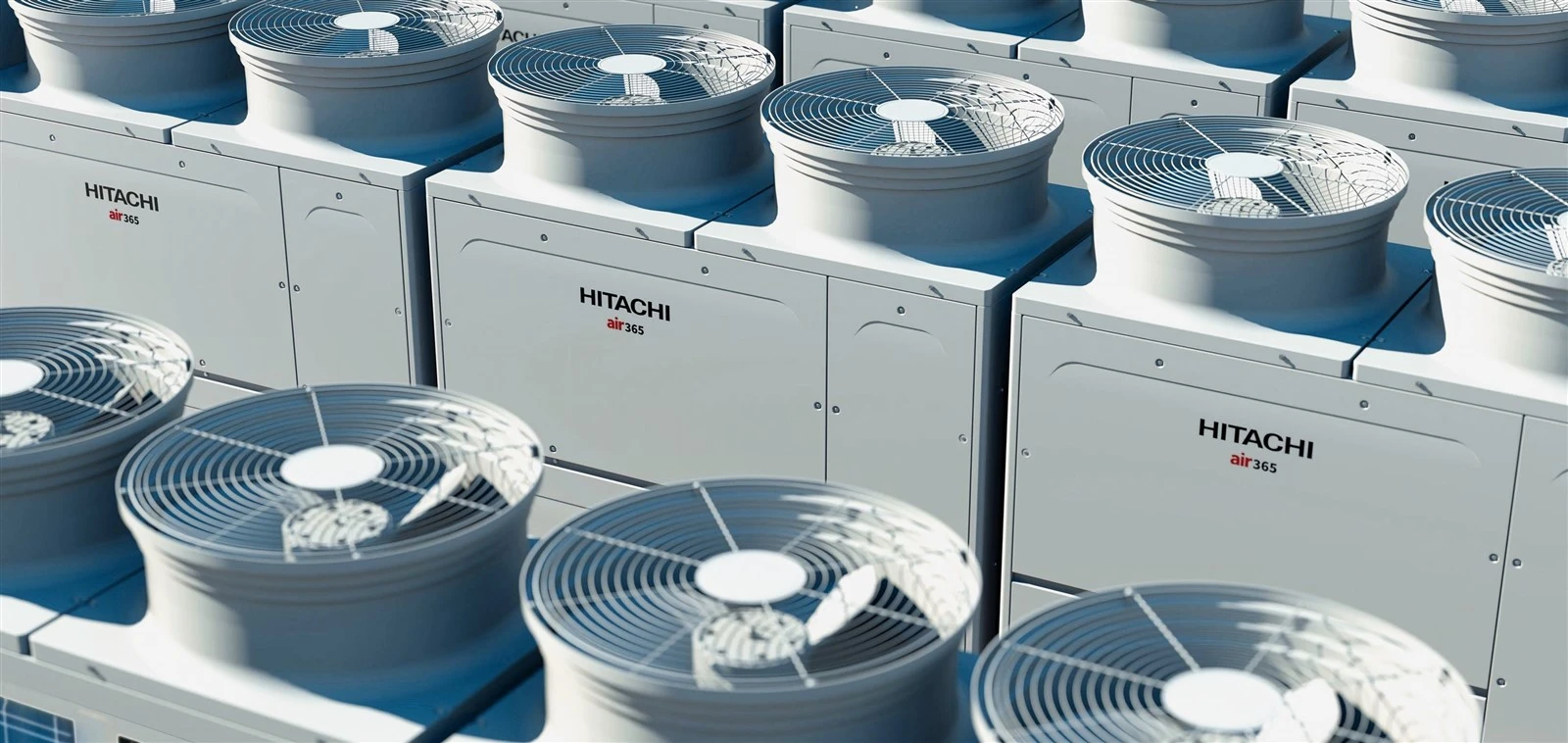
For projects such as factories, hospitals, shopping centers, office buildings, campuses, and data centers, coordination between HVAC engineers and electrical engineers can make a big difference.
The installation normally starts with determining the building's heating and cooling requirements. Engineers then select equipment, design the mechanical system, plan electrical power distribution, install the equipment, and complete testing and commissioning.
For a large facility, the electrical side may follow a configuration such as:
Utility Grid → Medium Voltage Switchgear → Transformer → Low Voltage Switchgear → HVAC Distribution → Chillers / Pumps / AHUs / Fans
The actual configuration varies from project to project, but the basic idea is the same: HVAC equipment needs an appropriately designed electrical supply.
Why Transformers Matter During HVAC Installation
A transformer changes electrical voltage from one level to another so that power can be distributed safely and efficiently throughout a facility.
Many commercial and industrial buildings receive electricity at medium voltage. HVAC equipment, however, may operate at lower voltages such as 400 V, 480 V, 600 V, or other project-specific levels.
A transformer can provide the required voltage for the building's HVAC distribution system.
More importantly, transformer capacity has to match the expected electrical demand.
A large chiller plant can place a significant continuous load on a transformer. When several chillers, pumps, fans, and compressors operate together, the total demand can become substantial.
This is why transformer selection should happen during the early design stages of HVAC installation rather than after the mechanical system has already been finalized.
Transformer Selection for HVAC Systems
There is no universal transformer for every HVAC project. The appropriate solution depends on the facility's voltage, load, installation location, environmental conditions, capacity requirements, and applicable standards.
For indoor commercial and industrial facilities, a dry type transformer can be a practical solution. Dry type transformers do not use liquid insulation and are commonly considered for indoor electrical rooms where fire-safety and maintenance requirements are important.
For outdoor distribution, an oil immersed transformer or oil filled transformer may be selected. These transformers are widely used for utility and industrial power distribution and can be manufactured for relatively high capacities.
A pad mounted transformer is another common option for outdoor applications. It is typically installed on a concrete pad and connected to underground medium-voltage cables.
For larger projects, a unit substation can combine a transformer with medium- and low-voltage switchgear to create a more integrated power distribution solution.
| Transformer Type | Potential HVAC Application |
|---|---|
| Dry type transformer | Indoor HVAC systems in commercial and industrial buildings |
| Oil immersed transformer | Large outdoor or industrial power distribution |
| Oil filled transformer | Utility and industrial applications |
| Pad mounted transformer | Outdoor commercial and industrial HVAC power supply |
| Medium voltage transformer | Facilities receiving medium-voltage utility power |
| Unit substation | Large facilities with centralized HVAC systems |


HVAC Installation and Electrical Load Calculation
One of the most important steps is determining the actual electrical load before selecting the transformer.
The nameplate rating of each HVAC device is only the starting point. Engineers also need to consider how the equipment operates.
For example, a central chiller may have a large motor or compressor. Pumps and cooling tower fans add additional loads. Variable-frequency drives may change motor operating characteristics depending on the load.
A simplified HVAC electrical load assessment may include:
| HVAC Equipment | Main Electrical Consideration |
|---|---|
| Chiller | Continuous power demand and motor starting |
| Compressor | Starting current and running load |
| Cooling tower | Fan motor load |
| Chilled-water pump | Motor load and variable-speed operation |
| Air handling unit | Fan motor and controls |
| Ventilation system | Motor load and operating schedule |
| Heat pump | Heating and cooling demand |
| Control system | Low-power controls and automation |
The transformer should be selected after considering the overall demand rather than simply adding every equipment rating together.
Future expansion is another important factor. If a factory plans to add another production line or a commercial building expects additional cooling capacity, the transformer and distribution system may need sufficient spare capacity.
Motor Starting and Transformer Capacity
Large HVAC equipment can create short-duration electrical demands during startup.
Chillers, compressors, pumps, and fans may use large motors. Depending on the motor and starting method, the starting current can be considerably higher than the normal operating current.
If the transformer is not properly selected, starting a large HVAC motor can contribute to voltage dips.
Modern HVAC systems often use variable-frequency drives or other motor-control technologies to improve control and energy efficiency. These systems can reduce some starting-related issues, but they also introduce additional electrical considerations, including harmonic currents.
For larger HVAC installations, engineers may therefore evaluate transformer impedance, voltage regulation, harmonic performance, temperature rise, and cooling requirements as part of the electrical design.
Dry Type Transformer for HVAC Installation
A dry type transformer is often considered when the transformer is installed inside a commercial or industrial building.
Since the transformer does not contain liquid insulation, it can be suitable for electrical rooms where liquid-filled equipment is less desirable.
Dry type transformers can also be designed for different insulation classes, temperature-rise requirements, enclosure configurations, and indoor environmental conditions.
For HVAC applications, the transformer room should have adequate ventilation because the transformer itself generates heat during operation.
The electrical room also needs enough space for inspection and maintenance. HVAC ducts, pipes, and other mechanical services should not interfere with transformer clearances or access.
This coordination is easy to overlook during construction, but it can become a real problem later.
Pad Mounted Transformer for Outdoor HVAC Systems
A pad mounted transformer can be used when HVAC equipment is located outdoors or when a building receives underground medium-voltage power.
The transformer is installed at ground level on a concrete pad, with the primary and secondary connections arranged according to the project requirements.
This type of transformer can be used for commercial buildings, industrial plants, campuses, infrastructure facilities, and other applications where outdoor electrical distribution is preferred.
Depending on the project, typical secondary voltages may include 480Y/277 V or other system voltages specified by the electrical design.
Unit Substations for Large HVAC Loads
Large facilities may require more than an individual transformer.
A unit substation integrates a transformer with associated switchgear and distribution equipment. This arrangement can simplify the electrical distribution system and provide a coordinated solution for high-power loads.
For a large HVAC plant, the unit substation may supply a dedicated group of chillers, pumps, cooling towers, and related equipment.
This approach can be useful where the HVAC system represents a major part of the facility's total electrical demand.
The final configuration depends on the voltage level, capacity, fault-current requirements, protection scheme, building layout, and local electrical standards.
HVAC Installation in Data Centers and Industrial Facilities
HVAC installation becomes particularly important in facilities where cooling cannot be interrupted easily.
Data centers are a good example. Server and networking equipment generate substantial heat, while cooling systems may operate continuously.
Chillers, pumps, cooling towers, computer room air-conditioning systems, and other cooling equipment all require reliable electrical power.
Industrial facilities can have similar requirements. In addition to building comfort cooling, some manufacturing processes require controlled temperature and humidity.
In these applications, the transformer is part of the facility's overall power reliability strategy.
The electrical design may include multiple transformers, redundant power paths, emergency generators, UPS systems, medium-voltage switchgear, and automatic transfer equipment depending on the required level of reliability.
Electrical Considerations During HVAC Installation
HVAC and electrical contractors should coordinate before equipment arrives on site.
The transformer location needs to be checked against HVAC equipment locations, cable routes, ventilation, access requirements, and maintenance clearances. Transformer heat dissipation should also be considered when designing the electrical room.
Grounding and bonding are equally important. HVAC motors, pumps, metallic ducts, piping, transformers, switchgear, and other conductive equipment may need to be incorporated into the facility grounding system according to the applicable electrical code and project design.
Protection coordination should also be reviewed. The transformer, switchgear, motor protection, circuit breakers, and HVAC equipment should work together rather than being designed as completely separate systems.
HVAC Installation Testing and Commissioning
The installation is not finished when all the equipment has been physically connected.
Testing and commissioning confirm that the HVAC and electrical systems operate as intended.
Transformer testing may include insulation resistance, winding resistance, ratio verification, grounding checks, protection testing, and other tests required by the project specifications.
On the HVAC side, commissioning can include checking airflow, water flow, pressure, temperature, motor current, equipment sequencing, and control functions.
| System | Typical Commissioning Checks |
|---|---|
| Transformer | Voltage, insulation, temperature, connections, protection |
| Switchgear | Switching, protection, and control |
| Chillers | Cooling capacity and operating parameters |
| Pumps | Flow, pressure, motor operation |
| AHUs | Airflow, temperature, controls |
| Cooling towers | Fan operation, water flow, temperature |
| HVAC controls | Sensors, alarms, sequencing |
| Grounding system | Grounding and bonding continuity |
Testing the systems together is particularly useful. A transformer may perform correctly under normal electrical conditions, for example, while a large chiller starting sequence exposes a problem with voltage drop or protection coordination.
Common HVAC Installation Problems
Some HVAC problems are mechanical, but others are related to the electrical infrastructure.
An undersized transformer may have difficulty supporting the combined HVAC load. Poorly coordinated protection can result in unnecessary circuit trips. Inadequate ventilation around a transformer can increase operating temperature. Poor cable routing or insufficient maintenance space can make future servicing unnecessarily difficult.
Harmonics can also become a consideration when HVAC equipment uses a large number of variable-frequency drives.
None of these issues necessarily means the HVAC equipment itself is defective. Quite often, they come down to coordination between the mechanical and electrical designs.
That's why it is worth bringing the transformer manufacturer, electrical contractor, and HVAC engineering team into the project early.
Choosing a Transformer Supplier for HVAC Projects
For HVAC projects with significant electrical loads, transformer selection is only one part of the procurement decision. The manufacturer's engineering capability, production capacity, testing capability, customization options, documentation, and after-sales support can also matter.
Jiangsu Yawei Transformer Co., Ltd. is a transformer manufacturer with more than 30 years of manufacturing experience. As a subsidiary of Yawei Group, Yawei provides transformer solutions for industrial power distribution, renewable energy, infrastructure, commercial facilities, and other applications.
Its product range includes dry type transformers, oil immersed transformers, distribution transformers, medium voltage transformers, pad mounted transformers, and unit substation solutions.
For HVAC-related projects, transformer specifications can be developed around the project's primary and secondary voltage, capacity, installation environment, cooling requirements, impedance, temperature rise, and other electrical parameters.
For projects with large HVAC loads, early technical communication can help confirm the appropriate transformer configuration before procurement and installation.
Final Considerations for HVAC Installation
A reliable HVAC installation needs more than correctly installed mechanical equipment. The electrical infrastructure has to support the HVAC system under both normal and changing operating conditions.
Transformers, switchgear, cables, protection systems, motors, and HVAC controls should be considered together. For a small building, this may be relatively straightforward. For a large factory, data center, hospital, campus, or commercial complex, it can become a major part of the project's electrical design.
Choosing the right transformer early, allowing adequate capacity for future requirements, and coordinating the mechanical and electrical teams can help avoid costly changes during construction.
For transformer procurement, HVAC contractors, EPC companies, electrical contractors, and engineering consultants can work with Yawei Transformer to develop a transformer solution based on the actual project requirements.
Need a transformer for an HVAC installation project? Contact Yawei Transformer for technical consultation and a project-specific quotation.
Q: How soon can you delivery the transformer?
A: It depends on the quantity and capacity of the transformer, normally within one month since the date drawing confirmed by buyer.
Q: How long can you provide the quality warranty?
A: 24 months since the date transformer operated.
Q: What payment method do you accept?
A: T/T (wire transfer) preferred, L/C both accepted.