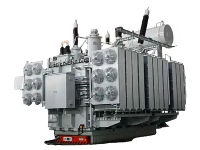
how much does a transformer cost
Transformer cost varies widely because "transformer" can mean a small dry-type unit inside a building, a pole-mounted residential distribution unit, or a large pad-mounted transformer for a commercial site. For budgeting, the cost of a transformer is best viewed in two parts: the equipment price and the installed project cost.
This transformer price guide explains the main price ranges, what changes the quote, and how to avoid underestimating the final bill.
How much does a transformer cost?
A transformer can cost anywhere from under $1,000 for a small low-voltage dry-type unit to well over $100,000 for a large pad-mounted unit, before complex site work or utility charges. Publicly listed examples show how broad transformer pricing can be: Maddox lists 1-phase padmount units in the $7,625 to $17,625 range, a 75 kVA padmount at $28,674, a 500 kVA padmount at $39,761, and larger padmount units rising past $100,000 depending on kVA size.
For smaller building applications, a dry-type transformer may be much less expensive than outdoor utility-scale equipment. For example, a listed 75 kVA dry-type step-down transformer from Grainger shows a web price of $6,867.77, with special shipping noted separately.That does not mean every 75 kVA transformer costs the same; it means the design, enclosure, voltage, cooling method, and installation environment matter as much as the kVA rating.
As a practical starting point, many buyers can think in these broad categories:
Small dry-type transformers: Often used indoors for equipment, panels, and commercial power distribution.
Pole-mounted distribution transformers: Common for overhead utility service and rural or residential distribution.
Pad-mounted transformers: Ground-mounted outdoor units used for underground residential, commercial, industrial, and utility service.
Large power transformers: Higher-capacity units where the quote becomes highly project-specific.
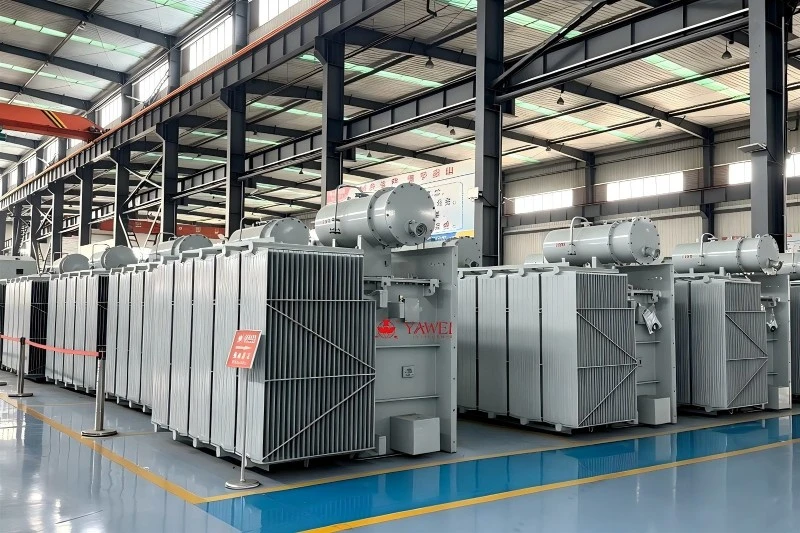
The main factors that shape transformer pricing
The biggest driver of transformer cost is capacity, measured in kVA. Higher kVA ratings require more core material, conductor material, insulation, cooling capacity, and structural support. That is why a small unit serving limited loads may be a modest purchase, while a large pad-mounted transformer for a facility can become a major capital item.
Voltage configuration is another major factor. A standard, readily available voltage is usually easier to source than a custom primary or secondary voltage. Single-phase and three-phase construction also differ in price because three-phase units require additional design complexity and materials.
Specifications can move the quote quickly. Ask whether the price includes the enclosure type, taps, impedance, winding material, fluid type, temperature rise, efficiency requirements, accessories, and testing documentation. The U.S. Department of Energy has noted that transformer design and selling price are influenced by materials such as core steel and conductor materials, along with labor, markups, and efficiency-related design choices.
Common price drivers include:
kVA rating: Larger capacity generally means a higher transformer price.
Phase: Three-phase units usually cost more than comparable single-phase units.
Voltage: Nonstandard voltages can require custom design or longer lead times.
Mounting style: Dry-type, pole-mounted, pad-mounted, and vault-mounted transformers have different cost profiles.
Materials: Copper, aluminum, core steel, insulation, and oil or alternative fluids affect the quote.
Efficiency and losses: A cheaper unit can cost more over time if electrical losses are higher.
Lead time: In-stock, remanufactured, expedited, or custom-built options can change pricing.
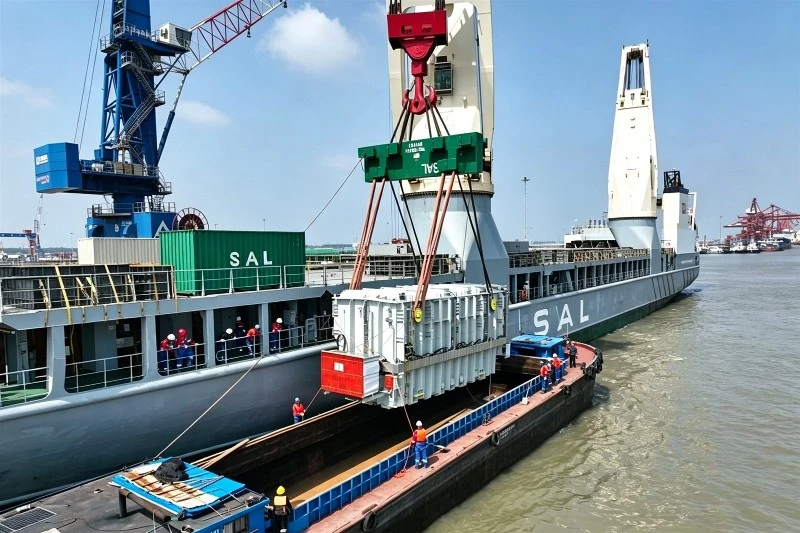
Shipping: Heavy transformers may require freight, special handling, or crane access.
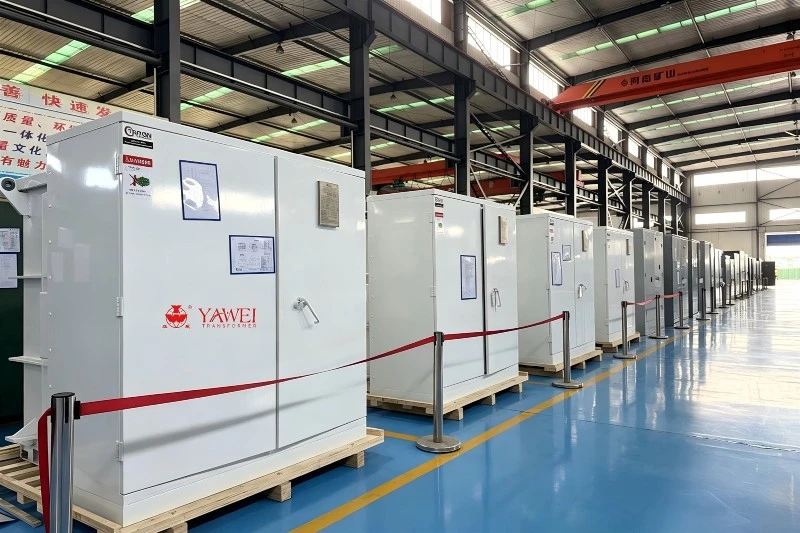
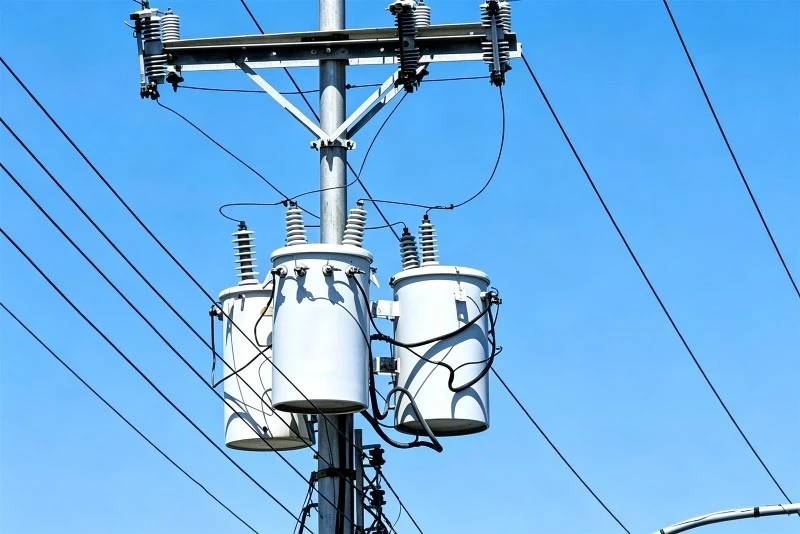
How much does a residential transformer cost?
A residential transformer may cost a homeowner nothing directly if it is owned, sized, and installed by the utility as part of normal electric service. When a property owner is responsible for an upgrade, service extension, private system, long underground run, or special load requirement, the cost can shift from a simple equipment question to a utility construction estimate.
Public cost examples show why installed residential transformer cost can vary so much. A Palo Alto utility planning document listed estimated total costs of $4,000 to $10,000 for 5 kVA to 25 kVA pole-top transformer work, $8,000 to $16,000 for a 25 kVA pad-mounted transformer, and $14,000 to $24,000 for a 75 kVA pad-mounted transformer. (paloalto.gov) Those figures are useful as planning examples, not universal prices, because local labor rates, trenching, permitting, utility rules, and site conditions can all change the final number.
If you are asking "how much does a residential transformer cost," first confirm who owns the transformer. In many neighborhoods, the transformer is part of the utility distribution system. If the project is tied to a new home, accessory dwelling unit, large HVAC load, EV charging, solar interconnection, or a service upgrade, the utility or electrical engineer may need to review the load before any price is meaningful.
Equipment cost and installed cost are different budgets
One of the most common budgeting mistakes is treating the equipment quote as the total project cost. A transformer sitting on a delivery truck is not the same as an energized transformer serving a building. The installed cost may include engineering, utility coordination, permits, concrete pad work, trenching, conduit, primary cable, secondary conductors, grounding, protective devices, testing, and labor.
This difference is especially important for pad-mounted transformers. ATO describes pad-mounted distribution transformers as ground-mounted units in enclosed cabinets, commonly used with underground distribution and available across a wide range of single-phase and three-phase capacities. The cabinet may look simple from the outside, but the surrounding infrastructure is often what makes the project expensive.
Before approving a quote, ask whether it includes:
The transformer only, or the full installed scope.
Freight, unloading, rigging, and placement.
Concrete pad, bollards, or clearance requirements.
Primary and secondary cable terminations.
Fuses, switches, arresters, or protective equipment.
Testing, commissioning, and documentation.
Utility fees, inspections, and energization requirements.
A smarter way to use a transformer price guide
A transformer price guide is most useful when it helps you ask better questions, not when it promises a one-size-fits-all number. Start by defining the load, voltage, phase, location, and ownership. Then decide whether you need a new, used, remanufactured, in-stock, or custom-built unit.
For commercial and industrial buyers, total owning cost matters as well as purchase price. DOE analysis discusses total ownership cost by considering transformer purchase price along with the value of no-load and load losses over time. In plain language, the lowest upfront transformer cost is not always the lowest long-term cost if the unit wastes more energy or is poorly matched to the load.
When requesting quotes, provide:
Existing transformer nameplate photos, if replacing a unit.
Required kVA, primary voltage, and secondary voltage.
Single-phase or three-phase service requirements.
Indoor, outdoor, pole-mounted, pad-mounted, or vault location.
Available fault current and impedance requirements, if known.
Preferred delivery timeline.
Site constraints such as access, pad location, trench length, or utility ownership.
Final takeaway
So, how much does a transformer cost? The honest answer is that the equipment can range from a relatively small purchase to a six-figure investment, and the installed project can cost much more than the transformer itself. For the most accurate budget, separate the unit price from the installation scope, confirm utility responsibilities, and compare quotes using the same kVA, voltage, phase, enclosure, efficiency, delivery, and testing requirements.
Q: How soon can you delivery the transformer?
A: It depends on the quantity and capacity of the transformer, normally within one month since the date drawing confirmed by buyer.
Q: How long can you provide the quality warranty?
A: 24 months since the date transformer operated.
Q: What payment method do you accept?
A: T/T (wire transfer) preferred, L/C both accepted.