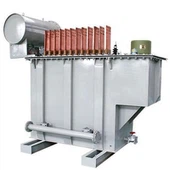
Understanding the Role of Substation Transformers
In today's world, I can be sure of that,where reliable electricity is crucial and necessary for both homes and industries, thus the substation transformers play an unparalleled role for our daily life. Because of ensuring that power is efficiently distributed from power plants to consumers, these transformers are key components in the electrical grid. Let's make an assumption that if substation transformers never showed up, then the result is that it would be challenging for us to maintain the stable and consistent electricity supply that our modern life depends on. This article will delve into the essential functions of substation transformers, the different types of transformers, and their importance in power distribution and energy management with you, and i hope this article will help you in some degree for one day.From my point of view, by gaining a deeper understanding of these components, we can appreciate the complexity of our electrical infrastructure and its impact on daily life.

An electrical transformer substation is a critical node in the electrical generation, transmission, and distribution system. From the development history of transformers, it's primary purpose is to transform voltage levels to make electricity safe and efficient for delivery to homes and businesses. To be honest the strategic placement of substations within the power grid will allow us for effective management and direction of electricity flow, which can ensure that it reaches its destination efficiently. In my view,substations serve as like the intermediaries that modulate voltage levels, facilitating the long-distance transmission of electricity while minimizing losses. Moreover, substations are needed to be designed to adapt to varying power demands, whose design can adjust the flow of electricity according to peak and off-peak usage times.
Components of a Substation
Now I will give you a brief introduction to the equipment in the substation . Because I think understanding this knowledge can help you better understand transformers used in substations .Substations contain several key components, and each serving a specific function to ensure the seamless operation of the electrical grid:
Transformers: These are used to step up (increase) or step down (decrease) voltage levels as needed. With the chif fuction of adjusting voltage levels, transformers play a crucial role in optimizing the efficiency of power transmission and distribution.
Switchgear: This equipment controls the flow of electricity and helps protect the system from faults. Switchgear isolate faulty sections of the grid to prevent widespread outages, so I can say that it acts as a mediator.
Busbars: Conductors that carry electricity within the substation. In the power system, busbars' role is to provide a common pathway for electricity, which can ensure efficient distribution to various parts of the substation.
Circuit Breakers: Safety devices that interrupt the flow of electricity in case of a fault occurs suddenly. Because of it's fuction, I think, circuit breakers are essential for protecting both the infrastructure and end-users from electrical hazards.
Control Systems: These monitor and manage the operations of the substation. Advanced control systems enable real-time monitoring and adjustments, through these can enhance the overall reliability of the power grid.
The Role of Transformers in Substations
From observations in daily life,we should admit that transformers in substations serve a critical and necessary function in the power distribution process.
From my perspective,the transformers' main contribution to the substations is that they modify the voltage levels to ensure that electricity can be transmitted efficiently over long distances and safely delivered to end-users.Throug this way, transformers help minimize the energy losses that occur during the transmission of electricity,thus making the entire process in the power system more efficient.In some degree,I think, this way alos reduce the extral cost of us.
Last but not least,it is alos worth mentioning that they play a vital role in accommodating fluctuations in power demand.Because the transformers can ensure a stable power supply even during peak usage periods.

How Transformers Work
In short,transformers operate on the principle of electromagnetic induction.The core of the transformers consist of two windings (primary and secondary) wrapped around a magnetic core.
Here is the process:
When the ac power flows through the primary winding, it creates a magnetic field, which induces a voltage in the secondary winding.
Transformers can increase or decrease voltage levels by adjusting the number of turns in each winding. This process allows for the efficient transmission of electricity over vast distances.
If you want to know more about how does transformer work,please click here!
Types of Transformers
Here are some common classifications or names of transformers we used in substations, each serving a specific purpose:
 Step-up Transformers: These make it possible to transmit electricity over long distances with minimal losses by increasing voltage levels. Mention of elevating voltage levels, step-up transformers can reduce the current required for transmission through this way, thereby minimizing energy dissipation.
Power Transformers: We also call it as step up transformers.Typically used in transmission networks to handle high voltages and large amounts of power. Power transformers are designed to manage substantial loads, making them essential for high-demand industrial applications.
 Step-down Transformers: These decrease voltage levels to a safer range for distribution to homes and businesses. In my words, the step-down transformers ensure that the electricity delivered to consumers is within a safe and usable range, preventing the damage of the electricity to appliances and infrastructure.
Distribution Transformers: We can also call it as step-down transformer.These are smaller transformers that further reduce voltage to levels suitable for use by consumers. They are typically located closer to the end-users, ensuring a stable and reliable electricity supply.
Importance of Substation Transformers in Power Distribution
Substation transformers are vital for maintaining the reliability and efficiency of the electrical grid. Here are some key reasons I concluded that why they are so important:
Efficient Power Distribution
According to the principles of physics, it is not difficult to find that by transforming voltage levels,from low voltage to high voltage, transformers help minimize power losses during transmission.
Why High-voltage transmission is more efficient than low-voltage? Based on my many years of experience, that is because the high voltage reduces the amount of current needed to deliver the same amount of power, which in turn reduces energy loss due to resistance in the wires.
Moreover, from an economic perspective, I think the efficient power distribution helps reduce operational costs, making electricity more affordable for us.
Voltage Regulation
Due to transformers'feature that help regulate voltage levels throughout the grid,thus through this way we can ensure that the end users receive a stable and consistent supply of electricity from the power line.
Also because of economic reasons, voltage regulation is essential for maintaining the integrity of the power system. In fact,the main reason is fluctuations can lead to equipment malfunction and increased maintenance costs for us.
So I can say that by maintaining consistent voltage levels, transformers contribute to the longevity and reliability of electrical devices and infrastructure.
Energy Management and Transformer Maintenance
In my personal speaking, effective energy management involves optimizing the use of resources to meet energy demands while minimizing costs and environmental impact.Actually, given the function of voltage regulation,transformers play a significant role in this process.
In other hand, by efficiently managing voltage levels,thus transformers contribute to a more sustainable energy landscape, reducing the need for additional power generation and minimizing carbon emissions which is friendly for the environment.

Energy Management
As mentioned above, due to taking into account various factors , substation transformers are needed to designed to operate efficiently, reducing energy losses and helping to lower overall energy costs.
For us,Efficient transformers also have a important use that can support the integration of renewable energy sources, such as solar and wind power, into the grid, facilitating a transition to cleaner energy. By the way, this integration is vital for reducing reliance on fossil fuels and decreasing the carbon footprint of power generation.
Transformer Maintenance
We have repeatedly emphasized that regular maintenance of transformers is essential to ensure longevity and efficiency of the transformers. Key maintenance tasks include:
Inspection: Regular visual inspections to check for any signs of damage or wear is needed. In my opinion, Inspections help identify potential issues before they escalate, preventing costly repairs and downtime occuring.
Testing: The meaning of the testing is that conducting electrical tests to assess the condition of the transformer and determine if any issues exist. Testing ensures that transformers operate at optimal efficiency, by this way can reduce the extral energy losses and extending the transformers' lifespan.(click to know how to test a transformer without power)
Oil Analysis: The oil analysis is to analyzing the insulating oil to detect any contaminants or degradation to determine if there is a problem. In fact, oil analysis provides insights into the internal condition of the transformer, which can help to prevent failures and maintain performance.
Cleaning: No need to elaborate further that keeping the transformer and its components clean can prevent overheating and other issues. Clean components ensure proper heat dissipation, so that prevent thermal stress and prolonging the transformer's service life.
Substation Design and Future Developments
It should be a consensus among all of us is that the design of substations is crucial for ensuring the reliability and efficiency of the power grid. So for the engineers, we must consider factors such as location, capacity, and environmental impact when designing substations.
YAWEI TRANSFORMER DESERVE YOUR TRUST!
In short, a well-designed substation not only enhances operational efficiency but also supports future scalability to meet growing energy demands.
Conclusion
Judging from the current development trend ,substation transformers have become indispensable components of the electrical grid,which enable more efficient power distribution, voltage regulation, and enhanced safety for us.
So I can say that by understanding their role and importance, we can appreciate the complexity and reliability of the systems that deliver electricity to our homes and businesses.
Thanks for reading!
FAQ
Q: 1. How soon can you delivery the transformer?
A: It depends on the quantity and capacity of the transformer, normally within one month since the date drawing confirmed by buyer.
Q: 2. How long can you provide the quality warranty?
A: 24 months since the date transformer operated.
Q: 3. What payment method do you accept?
A: T/T (wire transfer) preferred, L/C both accepted.