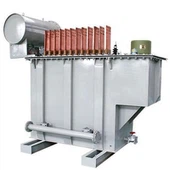
Understanding High Voltage Transformers: A Guide
High voltage transformer is an important part of the power system. They take care of increasing or decreasing the voltage level so that electricity can be safely and effectively sent over long distances. Knowing about these transformers is important not just for engineers and technicians, but for everyone working with energy. This guide will go through how high voltage transformers work, why they are important, and what different uses there are for them, giving a good understanding of how they fit into today's electrical systems.
High voltage transformer is a kind of transformer that changes the voltage of electric current. It works based on the principle of electromagnetic induction to change the voltage from one level to another, either increasing (stepping up) or decreasing (stepping down) the voltage. And this change is necessary for the good sending and giving out of electricity. High voltage transformers can help reduce energy waste by changing voltage levels, which makes power systems work better.
High voltage transformer's basic operation is a constant cycle of magnetic fields interacting with each other so they can change the voltage level as needed. It helps with sending electricity over long distances and keeps electrical systems working well. The capacity to modify voltage levels according to particular requirements is what makes high voltage transformers essential for contemporary energy infrastructure.
High voltage transformer consists of several parts.
·Core: The core is generally made up of laminated silicon steel and acts as a path for magnetic flux. The quality and structure of the core greatly affect the efficiency and performance of the transformer because it can reduce energy loss during operation. Advanced materials and manufacturing processes are constantly improving to increase core efficiency and decrease operating expenses.
·Windings: Coils of wire that are wound around the core. There are generally two kinds of windings, namely the primary winding and the secondary winding. The primary winding gets the input voltage, and the secondary winding gives out the changed voltage. Design and materials of windings are important for a transformer's capacity and efficiency, new superconducting materials could make it even better.
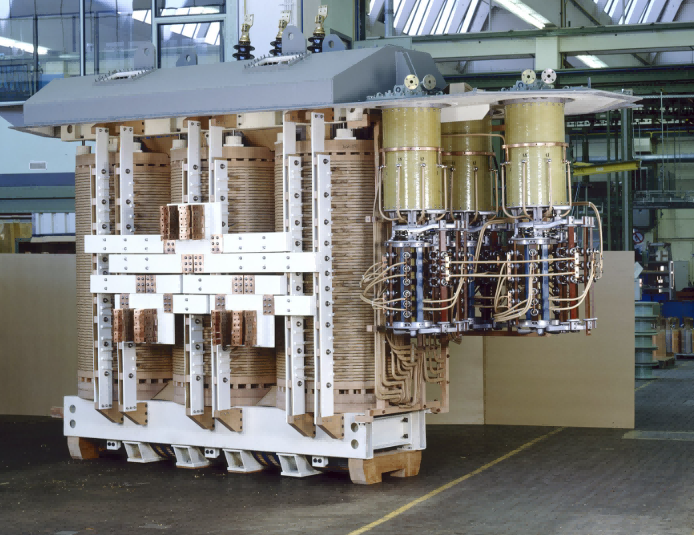
·Insulation: High voltage transformers have insulating materials that stop electrical short circuits and safeguard the windings. Insulation is necessary for the safety and long life of a transformer because it keeps electrical problems from happening, which could cause big problems. Improvements in insulation tech aim to boost its strength and heat resistance to make transformers more reliable.
·Cooling System: Transformers produce heat when they are working, so we need a cooling system (oil or air) to get rid of the heat and keep them working well. Good cooling systems are needed to stop getting too hot because that makes things work worse or break. Cooling tech innovations, including new oil formulas and airflow designs, have made transformers perform better with heavy loads.
High voltage transformer works on the principle of electromagnetic induction. Alternating current (AC) flowing through the primary winding produces a magnetic field around the winding. This magnetic field generates a voltage in the secondary winding, changing the voltage level. This electromagnetic procedure has been fine-tuned so that energy can be moved effectively from the beginning to the end without wasting much energy.
two types of transformers
The efficiency of this procedure relies on numerous elements such as the quality of the materials applied for the core and windings, the accuracy of the winding turns, and the efficiency of the cooling and insulation systems. And also, how the transformer is designed, that means how the core and windings are placed, it's important for making the transformer work better and use less power when changing voltage.
· Step-Up Transformer: This type raises the voltage from the primary to the secondary winding. Used in power plants to increase voltage for efficient long distance transmission. Increase voltage, decrease current, reduce resistance loss, improve power transmission efficiency. This high-voltage transmission is important for connecting power generation facilities to faraway load centers.
· Step-Down Transformer: This kind lowers the voltage from the primary to the secondary winding. Used in substations to lower voltage levels so it can be safely distributed to houses and companies. Step-down transformers make sure that the electricity given to end users is at a safe and useful voltage, safeguarding devices and structures from harm. These transformers are an important part of the power distribution system, making sure that electricity gets sent out safely and dependably to where it needs to go.
fuctions of voltage transformer
High voltage transformers are essential for the stability and efficiency of electrical power systems. And here's why:
High voltage transformers make it possible to transmit electricity over large distances without much loss of energy. Increase voltage to lower current, thus reducing resistance losses on the transmission line. It is necessary to link power plants with cities and industries that consume most of the electricity. Efficient transmission lowers the total cost of electricity and helps bring renewable energy sources that are far from where people use electricity.
Apart from cutting down on energy loss, good power transmission can also help keep the grid steady because it keeps the same voltage even if people need more or less electricity. And this stability is important so that there are no outages and the power supply meets everyone's needs wherever they are.
High voltage transformers reduce the voltage level so that electricity can be safely delivered to homes and businesses. It stops electrical equipment from getting hurt by having too much voltage. Safe power distribution is about protecting appliances, people, and buildings. Proper voltage control prevents electric danger, which includes fire and shock, and makes everyone safe.
Being able to control the voltage well also makes it easier for us to use those small things that can make electricity, like solar panels and little windmills, with the big electricity system. And this integration improves the grid's robustness and helps move toward a greener energy future..

High voltage transformer helps keep voltage level within limit so as to ensure the reliability and stability of power supply system. Voltage regulation is important for keeping the quality of electricity that is given to customers steady, so there won't be changes that could harm delicate electronic devices. Stable voltage levels also make electrical infrastructure last longer, lowering maintenance costs and making the system more dependable.
High voltage transformers maintain steady voltage levels, so they help with demand response plans that adjust power supply and use at once. This capability is becoming more important as the energy environment gets more complicated because of the inclusion of intermittent renewable energy sources.
applications of high voltage transformers
High voltage transformers are applied in different areas such as:
In power generation stations, step-up transformers are utilized to boost the voltage levels so that the power can be transmitted over long distances efficiently. These transformers are part of how power plants work, they let the places where electricity is made connect to the big system that sends electricity all around the country. They make it possible for electricity to be sent over long distances, which means that electricity can be produced in places where there are lots of natural resources, such as coal or oil, and then brought to the places that need it most.
Apart from conventional power plants, step-up transformers are equally important in renewable energy setups. For example, in wind farms and solar power stations, these transformers convert the generated electricity into a higher voltage so that it can be integrated into the grid efficiently, promoting the shift towards renewable energy.
In substations, step-down transformers lower the voltage level for distribution to residential, commercial, and industrial areas. These transformers are the last stop in the electricity delivery process, making sure that the power gets sent out at a safe and useful voltage. Substations are placed where they can best deliver electricity, by balancing how much load there is with what people want to use.
Apart from reducing the voltage, substation having step down transformer also have protection devices and monitoring system so that the power grid can run continuously and safely. These systems are important for keeping things reliable and stopping outages that would mess up our normal day-to-day lives.

Industries make use of high voltage transformers for certain jobs such as electroplating, welding, and induction heating which need particular voltage levels. In those places, transformers aren't merely for delivering power; they become part of the production process itself. They give the needed voltage changes so that complicated making and industrial activities can work well.
High voltage transformers used in industry are frequently tailored to suit the unique requirements of a given facility, guaranteeing peak performance and energy efficiency. And this kind of personalization can make a lot of money and work better, so it's important for factories today.
tips for maintenance practices
Proper care of high voltage transformers is necessary for them to last long and work well. Here are some maintenance practices:
Do regular checks to see if there are any signs of wear and tear, such as oil leaking, rusting, and strange sounds. These inspections are important because they help find possible problems before they cause big failures. Maintenance teams can stop expensive fixes and down time by dealing with small problems right away.
Regular inspections also include checking the electrical connections and making sure that everything works properly. This kind of maintenance can help prolong the life of a transformer and guarantee it works well.
Do insulation resistance test to make sure that the insulating materials are working well and stopping electric problems. Insulation testing is important to check the condition of a transformer because poor insulation may cause short circuiting and damage to the equipment. Operators can find and deal with problems early by testing insulation often.

In addition to testing, upgrading the insulation material to a better one will improve the performance and safety of the transformer. These improvements could be part of a larger maintenance plan designed to boost the transformer's general effectiveness and dependability.
Regularly check the cooling system so that it works well and can get rid of heat from the transformer. Cooling system checks are important to stop overheating because if a transformer gets too hot, it might get damaged forever. Maintenance teams can prevent performance decline and extend the life of a transformer by making sure that cooling systems are functioning properly.
Cooling system maintenance could include improving parts or using different ways to cool things down so it works better. They can make things work better and cost less money to run later on.
For oil-cooled transformers, do oil analysis to check if there are any contaminants and see how the oil is doing, which can show how healthy the transformer is. Oil analysis is a major diagnostic tool that gives us information about what's happening inside the transformer. Operators can find out possible problems by looking at contaminants and changes in the oil, so they don't cause breakdowns.
Regular oil analysis also helps plan for maintenance work and improve the transformer's performance. Operators can know when to do maintenance or change the oil based on how the oil is doing by looking at it, so that the transformer works as good as it can.
High voltage transformers are important for the efficient and safe transmission and distribution of electricity. To understand how they work and why they are so important can help us manage and take care of electrical power systems better. Whether it's for power generation, substation, or industrial use, these transformers make sure that electricity gets sent where it needs to go without any problems or danger. With the introduction of new energy sources and new technology into the energy system, high voltage transformers will still be at the forefront of this development to create a sustainable and efficient energy future. Investing in them for their maintenance and development would keep them dependable, effective, and able to meet the requirements of contemporary power systems.