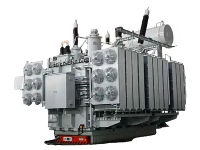
How to Test a Transformer in a Test Station

Testing a power transformer at a test station (sometimes called a test bench or factory acceptance test setup) is all about making sure the unit is solid, performs as expected, and is safe to put into service. It usually follows standards like IEEE C57.12.00 / C57.12.90 for oil-filled transformers or IEC 60076. The goal is to catch any manufacturing defects, confirm the nameplate data, and verify insulation strength and electrical performance.
A quick but important heads-up: These tests involve serious high voltages and currents. Only qualified people with proper training should do them. Wear the right PPE - insulated gloves, arc-rated clothing, safety glasses, hard hat, the works. Always follow lockout/tagout procedures, ground everything properly, double-check that the transformer is de-energized, and discharge any stored energy before and after testing. Safety first - no shortcuts.
Getting Ready at the Test Station
Before diving into the electrical tests, take time for some basic checks:
Do a thorough visual and mechanical inspection. Look for any shipping damage, oil leaks (on liquid-filled units), correct oil level, tight connections, bushings in good shape, and that all auxiliary stuff like fans, pumps, and the tap changer is okay.
Verify the nameplate matches the specs you ordered - voltage ratings, kVA/MVA, impedance, vector group, etc.
For oil-filled transformers, test the oil for dielectric strength, moisture, dissolved gas analysis (DGA), acidity, and so on. Make sure everything is dry and properly sealed.
Set up your safety measures: isolate the unit, ground all terminals and the core/tank, short any CT secondaries if needed, and have calibrated test equipment ready. Note the ambient temperature because you'll often need to correct readings for it.
Common tools you'll need include a multimeter, insulation resistance tester (Megger), turns ratio meter (TTR), micro-ohmmeter for winding resistance, power factor/tan delta kit, loss measurement equipment, and high-voltage test sets for dielectric tests.

The Main Routine Tests (Done on Every Transformer)
These are the standard checks performed in a logical order - usually low-voltage tests first, then high-voltage ones - so earlier tests don't mess up later results.
Winding Resistance: Use a micro-ohmmeter or Kelvin bridge to measure the DC resistance of each winding. Compare the values (temperature-corrected) to the factory or nameplate figures. This helps spot bad connections, broken strands, or other issues. LV windings usually show very low resistance, while HV ones are higher.
Insulation Resistance (IR) / Megger Test: Apply a DC voltage (typically 500 V to 5 kV depending on the rating) between windings and ground, and between different windings. Take a 60-second "spot" reading or calculate the polarization index (10-min vs 1-min). Good, dry insulation gives high readings; low numbers often mean moisture or contamination. Don't forget to check core-to-ground insulation too.
Turns Ratio, Polarity, and Phase Relation: Use a TTR meter to apply low AC voltage to one winding and measure the other. Confirm the ratio matches the nameplate (usually within ±0.5%) across all taps, including on-load tap changer positions. Also verify polarity and the vector group (like Dyn11). You'll often see the excitation current during this test as well.
No-Load Loss and Magnetizing Current (Open-Circuit Test): Energize the LV side at rated voltage and frequency with the other side open. Measure the power (core/iron losses), no-load current (normally just a small percentage of rated current), and any harmonics. This tells you a lot about the quality of the core.
Load Loss and Impedance (Short-Circuit Test): Short the LV side and apply reduced voltage to the HV side until rated current flows. Measure the power (mainly copper losses) and the voltage drop to get the percent impedance. This should line up with the nameplate values.
Power Factor / Tan Delta Test: Checks the quality of the insulation and dielectric losses. Lower values generally mean healthier, drier insulation.
Dielectric Withstand Tests:
Applied voltage test (separate source) - high AC voltage applied to each winding to ground for one minute.
Induced voltage test - often at twice rated voltage but at higher frequency to stress turn-to-turn insulation without saturating the core. Partial discharge measurement is sometimes included.
For higher voltage classes, you may also do lightning impulse (BIL) or switching impulse tests to simulate surges.

Other Common Tests at the Station
Check the vector group and do a magnetic balance test to confirm phase relationships.
Run the on-load tap changer (OLTC) through all positions - watch timing, continuity, and voltage steps.
Test auxiliary systems: cooling fans/pumps, temperature gauges (including hot-spot), alarms, Buchholz relay, pressure relief devices, etc.
For oil-filled units, do a pressure/leak test on the tank.
Sweep Frequency Response Analysis (SFRA or FRA) is great for detecting any mechanical shifts or winding deformation - especially useful if you have a baseline fingerprint.

Type and Special Tests (Not Routine)
These aren't done on every unit but may be required for prototypes or per customer specs:
Temperature rise (heat run) test to verify cooling under full load.
Short-circuit withstand test for mechanical strength.
Sound level (noise) measurement.
More detailed partial discharge or chopped-wave impulse tests.
Typical Test Sequence
Most test stations follow something like this:
Visual/mechanical inspection + oil checks.
Winding resistance.
Insulation resistance and power factor.
Turns ratio and polarity on all taps.
No-load loss and excitation current.
Load loss and impedance.
Dielectric withstand tests.
Tap changer and auxiliary equipment checks.
Final insulation resistance after the high-voltage tests.
All results get compared against nameplate values, factory baselines, and the tolerances in the standards. Anything off could mean a defect that needs fixing.
For smaller distribution transformers or dry-type units, the process is similar but scaled down (no oil tests, for example). If you're testing an older or unknown transformer, start conservatively with resistance, continuity, and low-voltage ratio tests before gradually applying voltage while keeping a close eye on current and temperature.
The exact voltages, procedures, and acceptance limits depend heavily on the transformer's size, voltage class, and type, so always check the specific manual, test plan, and relevant IEEE/IEC standards. When in doubt - especially with big or high-voltage units - work with the manufacturer or a certified test lab.
If you're dealing with a particular kind of transformer (substation power unit, pad-mount distribution, dry-type, etc.), feel free to give more details and I can tailor the advice further.