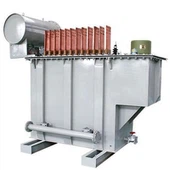
Hey, if you've ever been on a site with pad-mounted transformers and watched someone fumble around trying to figure out the right sequence for switching or maintenance, you know how nerve-wracking that can be. One wrong move and boom – arc flash, equipment damage, or worse. That's exactly why the Kirk key interlock system has been around for decades and is still a go-to for utilities and industrial folks in Hong Kong and everywhere else. It's not fancy tech; it's just smart mechanical keys and locks that literally force you to do things in the correct order. No skipping steps, no shortcuts. Let's break it down properly.

What Exactly Is a Kirk Key Interlock System?
At its heart, it's a mechanical sequencing tool. You've got a bunch of locks, each with its own unique key. To do the next operation, you have to complete the previous one first – the key from lock A becomes the key that unlocks lock B. It's dead simple, but incredibly effective at preventing human error.
No electricity needed, no software to glitch, no batteries to die. It works even during a blackout. That reliability is why so many people still swear by it.
How Does It Actually Work?
Picture this: you want to open the door of a pad-mounted transformer cabinet to do some work inside. But the system won't let you unless you've first:
Opened the upstream disconnect switch (and taken its key)
Used that key to unlock a grounding switch
Applied grounds
Then used the ground key to unlock the cabinet door
Only then can you get in. When you're done, you reverse the process to restore power safely. The hardware physically blocks you from doing it wrong. It's kind of genius in its simplicity.
Why Pad-Mounted Transformers Need This Kind of Protection
These units are everywhere – parks, schools, car parks, residential blocks. They're accessible, which means kids, contractors, or random people can get near them. A Kirk interlock makes sure only trained, authorized personnel can operate switches or open compartments. It stops accidental re-energizing while someone's working inside, and it prevents tampering or unauthorized switching. In a place like Hong Kong with dense urban setups and high public access, that's a big deal.
click to know what is the pad-mounted transformers
Common Components That Get Interlocked
Here's a quick look at the things people usually tie into Kirk key systems on pad-mounted transformers or similar gear:
| Component | Typical Purpose in Interlock Sequence | Why It's Important |
|---|---|---|
| Load-break switch | Must be opened before accessing downstream equipment | Prevents accidental energization during maintenance |
| Circuit breaker | Interlocked so it can't be closed unless upstream is isolated | Avoids closing into a fault |
| Grounding switch | Key only removable after grounds are applied | Ensures safe working conditions inside the cabinet |
| Cabinet door / access panel | Only unlocks after all isolation and grounding is confirmed | Stops anyone opening live gear |
| Fuse compartment | Interlocked with main switch | Prevents pulling fuses under load |
| Voltage detector port | Sometimes interlocked to require testing before access | Confirms de-energization before work begins |
These are the most common ones I see in real setups. Depending on your utility's procedures or local regs, you might add or tweak a few.
Key Benefits You Actually Care About
Safety first – massively reduces the chance of arc flash or shock incidents.
No more guesswork – maintenance crews know exactly what to do next; no debating sequences.
Less downtime – fewer mistakes mean fewer emergency repairs or outages.
Public area protection – unauthorized people can't mess with live gear.
Compliance – helps meet IEC, local utility standards, and safety audits.
Long-term savings – yeah, there's an upfront cost for the locks and engineering, but it pays for itself by avoiding accidents, insurance claims, and damaged equipment.
I've talked to guys who've had Kirk systems for 15+ years and they say they've never regretted it. One utility even told me they cut switching-related incidents by over 80% after rolling them out.
Where Else Do People Use Kirk Key Interlocks?
It's not just pad-mounts. You'll see them in:
Substations (interlocking disconnects, earth switches, breakers)
Ring main units (RMUs)
Generator paralleling setups
MV switchgear panels
Oil & gas facilities (valve sequencing)
Industrial plants with complex interlocking needs
Basically anywhere where sequence matters and mistakes are expensive or dangerous.
Should You Add Kirk Key Interlocks to Your Setup?
If your pad-mounted transformers are in public or semi-public spots, or if switching safety is a headache on your sites, it's worth looking at. It's not the cheapest add-on, but it's one of the most reliable ways to make sure procedures are followed every single time.
Got questions about how to spec it for your transformers, typical costs, or want to see some real installation pics? Hit me up – happy to dig deeper or point you in the right direction. Stay safe out there!