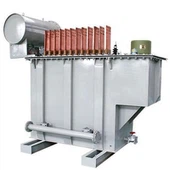
Grounding Transformer: Working Principle, Types, Applications, and Selection Guide
A grounding transformer is an important component in electrical power systems where a neutral connection is unavailable or needs to be created. It provides a grounding point for three-phase systems, allowing controlled fault current to flow during a line-to-ground fault.

In many medium-voltage networks, especially delta-connected systems, there is no natural neutral point. Without a neutral connection, ground faults can create unstable voltages, insulation stress, and difficulties for protection systems. A grounding transformer solves this problem by establishing a neutral reference and improving the overall safety and reliability of the power network.
Today, grounding transformers are widely used in utility distribution systems, renewable energy projects, industrial plants, substations, and microgrid applications. With the rapid growth of solar farms, wind energy, and battery energy storage systems, reliable grounding solutions have become increasingly important.
What Is a Grounding Transformer?
A grounding transformer is a transformer designed to provide  a neutral point for an electrical system that does not have one. It is sometimes called an earthing transformer, especially in international markets.
Unlike a conventional power transformer, a grounding transformer is not intended to transfer power continuously from one voltage level to another. Its main purpose is to create a low-impedance path for zero-sequence current during ground faults.
During normal operation, the grounding transformer carries very little current. When a ground fault occurs, it allows fault current to return through the neutral grounding path so that protective relays can identify the fault and disconnect the affected section.
| Function | Description |
|---|---|
| Neutral point creation | Provides a grounded neutral connection for systems without one |
| Ground fault current path | Allows zero-sequence current to flow during faults |
| Protection support | Enables relays and protection devices to detect ground faults |
| Voltage stabilization | Helps reduce abnormal voltage rise during faults |
| Equipment protection | Reduces electrical stress on cables, transformers, and switchgear |
How Does a Grounding Transformer Work?
The operating principle of a grounding transformer is based on  creating a controlled path for zero-sequence current.
In a normal three-phase system, the three phase currents are balanced and their vector sum is zero. During a single-line-to-ground fault, this balance is disrupted, producing zero-sequence current.
A grounding transformer provides the necessary neutral connection so that this current can flow safely through the grounding system. The protection system can then detect the fault condition and operate circuit breakers when required.
The grounding transformer does not normally supply electrical loads. Instead, it remains ready to handle short-duration fault conditions and maintain system stability.
Main Types of Grounding Transformers
Grounding transformers are mainly classified according to their winding arrangement and grounding method.
Zig-Zag Grounding Transformer
A zig-zag grounding transformer is one of the most commonly used designs in medium-voltage systems. Its specially connected windings create a neutral point while providing a low impedance path for zero-sequence currents.
This design is widely preferred because it provides effective grounding performance with a relatively compact structure.
| Advantages | Description |
|---|---|
| Compact construction | Requires less space compared with some alternatives |
| Efficient grounding | Provides effective zero-sequence impedance |
| Cost-effective | Often economical for medium-voltage applications |
| Flexible installation | Suitable for distribution and renewable energy systems |
Typical applications include utility distribution networks, solar plants, wind farms, and industrial substations.
Delta-Wye Grounding Transformer
A delta-wye grounding transformer uses a delta-connected primary side and a grounded wye secondary side to create a neutral point.
This configuration is commonly selected when system design requires a dedicated grounded neutral connection. It is often used in larger substations and industrial power systems where grounding performance and fault coordination are critical.
Grounding Transformer with Neutral Grounding Resistor
In many applications, a grounding transformer is installed together with a neutral grounding resistor (NGR). The resistor limits the amount of fault current flowing through the grounding path.
This approach helps reduce thermal and mechanical stress on electrical equipment while still allowing protection devices to operate correctly.
| Grounding Method | Characteristics |
|---|---|
| Solid grounding | Allows higher fault current and fast protection operation |
| Resistance grounding | Limits fault current to reduce equipment damage |
| High resistance grounding | Maintains very low fault current and improves continuity |
Grounding Transformer vs Power Transformer
Although both devices operate based on electromagnetic principles, their functions are different.
| Feature | Grounding Transformer | Power Transformer |
|---|---|---|
| Primary purpose | Create a grounding point | Transfer electrical power |
| Normal operation | Carries little or no load current | Operates continuously under load |
| Neutral connection | Main function | Usually not the main purpose |
| Fault duty | Designed for short-time fault conditions | Designed for continuous energy transfer |
| Typical applications | Grounding systems, substations, renewable plants | Generation, transmission, distribution |
A grounding transformer is a protection and system stability device rather than a power delivery transformer.
Applications of Grounding Transformers
Renewable Energy Projects

Renewable energy systems often require grounding transformers because many inverter-based generation systems do not provide a direct neutral connection.
Solar photovoltaic plants, wind farms, and battery storage systems commonly use grounding transformers to improve fault protection and grid stability.
In these applications, grounding transformers help protect:
Inverter systems
Collector networks
Medium-voltage cables
Step-up transformers
Utility Distribution Networks
Electric utilities use grounding transformers in medium-voltage and high-voltage distribution networks where grounding requirements cannot be achieved through existing transformer connections.
They support reliable grid operation by improving fault detection and reducing the risk of equipment damage during abnormal conditions.
Industrial Power Systems
Large industrial facilities often operate complex electrical networks with motors, drives, and sensitive equipment. A grounding transformer provides a controlled grounding method that improves system protection.
Common industrial applications include manufacturing plants, mining operations, oil and gas facilities, and heavy processing industries.
Key Factors for Selecting a Grounding Transformer
Selecting the correct grounding transformer requires consideration of system voltage, fault conditions, installation environment, and grounding requirements.
Voltage Rating
The grounding transformer voltage rating must match the electrical system where it will be installed.
| Voltage Level | Common Application |
|---|---|
| 4.16 kV | Industrial distribution systems |
| 6.6 kV | Manufacturing facilities |
| 11 kV | Utility distribution networks |
| 13.8 kV | Industrial and commercial power systems |
| 33 kV | Renewable energy and substations |
Fault Current Rating
The grounding transformer must be designed to withstand the expected ground fault current for the required duration.
Important design parameters include:
| Parameter | Description |
|---|---|
| Zero-sequence impedance | Determines grounding characteristics |
| Short-time current rating | Defines allowable fault current level |
| Fault duration | Indicates how long the transformer can withstand fault conditions |
Common grounding transformer duty ratings include 10 seconds, 30 seconds, and 60 seconds depending on system requirements.
Cooling Method
Grounding transformers are available in both dry-type and oil-immersed designs.
| Cooling Type | Description |
|---|---|
| AN | Air natural cooling |
| AF | Air forced cooling |
| ONAN | Oil natural air natural cooling |
| ONAF | Oil natural air forced cooling |
Dry-type grounding transformers are often selected for indoor installations because of their fire safety advantages and lower maintenance requirements. Oil-immersed designs are commonly used outdoors and in substations where higher power ratings are required.
Benefits of Using a Grounding Transformer
A properly designed grounding transformer improves  electrical system performance in several ways.
It provides a reliable neutral point for networks that cannot otherwise be grounded, allowing protection systems to operate correctly during ground faults. By controlling fault current, it also reduces stress on electrical equipment and helps extend service life.
For renewable energy and modern distribution networks, grounding transformers provide an effective solution for maintaining grid reliability while supporting more complex electrical architectures.
Yawei Transformer Grounding Transformer Solutions
Yawei Transformer designs and manufactures grounding transformers for utility, industrial, and renewable energy applications.
Our grounding transformer solutions include:
Zig-zag grounding transformers
Neutral grounding transformers
Grounding transformers with NGR systems
Oil-immersed grounding transformers
Dry-type grounding transformers
Each unit can be customized according to voltage level, fault current requirements, grounding method, and installation environment.
With advanced manufacturing technology, strict quality control, and engineering experience in power transformer production, Yawei Transformer provides reliable grounding solutions for modern electrical networks.
Frequently Asked Questions About Grounding Transformers
A grounding transformer creates a neutral point and provides a path for ground fault current in electrical systems that do not have an available neutral connection.
Under normal operating conditions, it carries little or no current. It mainly operates during ground fault events.
A grounding transformer is also known as an earthing transformer, especially in IEC-based markets.
No. A grounding transformer is designed for grounding and protection purposes, not for continuous power supply.
They are commonly used in substations, renewable energy plants, industrial facilities, and medium-voltage distribution networks.
Conclusion
A grounding transformer is a critical component for improving the safety, reliability, and protection of modern power systems. By creating a neutral grounding point and providing a controlled fault current path, it helps electrical networks operate more securely.
From utility grids and renewable energy projects to industrial power systems, grounding transformers continue to play an essential role in maintaining stable and reliable electricity supply.
Yawei Transformer provides customized grounding transformer solutions designed to meet different voltage levels, grounding requirements, and application conditions.
FAQ
Q: How soon can you delivery the transformer?
A: It depends on the quantity and capacity of the transformer, normally within one month since the date drawing confirmed by buyer.
Q: How long can you provide the quality warranty?
A: 24 months since the date transformer operated.
Q: What payment method do you accept?
A: T/T (wire transfer) preferred, L/C both accepted.