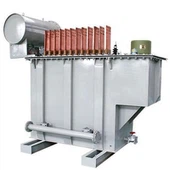
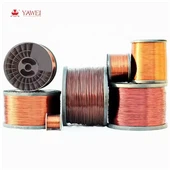
Cast Resin Dry Type Transformer: Low-Loss, High-Efficiency Power
Let's be honest-electricity costs aren't going down, and energy efficiency matters more than ever. That's why cast resin dry type transformers are becoming such a popular choice in today's electrical industry. They're built to cut power losses, stay safe in demanding environments, and offer a cleaner, more maintenance-friendly solution than traditional oil-filled designs.

With advanced core materials and vacuum-cast epoxy insulation, these transformers help you deliver reliable power while using energy more intelligently over the long run.
What Is a Cast Resin Dry Type Transformer?
A cast resin dry type transformer is a transformer where the high-voltage and low-voltage windings are sealed inside epoxy resin. This sealing happens under vacuum conditions, which helps improve insulation performance and durability.
Instead of oil-filled cooling, it uses air as the cooling medium. And since it doesn't rely on flammable insulating liquid, it's generally a much better fit for indoor and safety-sensitive installations-think commercial buildings, hospitals, data centers, schools, renewable energy sites, and industrial plants.
In short: you get reliable power without the oil-based risks.
How Transformer Losses Work (And Why Efficiency Matters)
Transformer efficiency is mainly affected by two kinds of losses. If you want a transformer that runs cost-effectively for years, these are the key things to look at.
1) No-Load Losses (Core Losses)
These losses happen as soon as the transformer is energized, even if it's lightly loaded (or not carrying much load at the moment).
Core losses are mainly caused by:
Magnetic hysteresis
Eddy currents in the core
Flux leakage
To reduce these, modern cast resin transformers often use high-performance core materials like grain-oriented silicon steel or amorphous alloy cores, designed specifically to lower no-load loss.
2) Load Losses (Copper Losses)
Load losses rise as the transformer carries more current. So the more you load it, the more these losses show up.
They come from:
Resistance in the windings
Eddy currents in the conductors
Stray losses
Manufacturers reduce these losses by using:
High-conductivity copper
Optimized winding structure
Improved design and conductor geometry
Typical Efficiency Levels (What You Can Expect)
Low-loss cast resin transformers can reach impressive efficiency levels, depending on their size and design. Typical ranges look like this:
| Transformer Rating | Typical Efficiency |
|---|---|
| 100 kVA | 98.0% – 98.5% |
| 500 kVA | 98.5% – 99.0% |
| 1000 kVA | 98.8% – 99.2% |
| 2500 kVA | Up to 99.4% |
Of course, the real-world number depends on factors like operating load, temperature, and the overall transformer design.
Key Features of Low-Loss Cast Resin Transformers
 Advanced Core Technology
Most low-loss designs focus heavily on core efficiency. You'll typically see:
High-permeability silicon steel laminations
Step-lap core construction
Low magnetic flux density design
Reduced vibration and quieter operation

High-Quality Copper Windings
Good windings mean lower resistance and better thermal behavior. These often include:
Electrolytic copper conductors
Optimized current density
Reduced winding resistance
Better heat management
 Superior Insulation System (Vacuum-Cast Epoxy)
The vacuum-cast epoxy resin plays a big role in performance and safety by offering:
Strong dielectric insulation
Moisture resistance
Long-term thermal stability
Less maintenance compared to many older designs
Basically, the insulation system is built to last-no fuss.
Energy Savings That Actually Add Up
This is where the "low loss" advantage becomes very real. Lower losses generally mean lower electricity costs over time.
For example, a 1000 kVA transformer running continuously can save several thousand kWh per year compared with a standard-efficiency unit. Over a 25–30 year lifespan, those savings can easily exceed the extra upfront cost you might pay for a better transformer.
So yes-buying low-loss can feel like paying a bit more at first. But over time? It tends to pay you back.
Common benefits include:
Lower operating electricity bills
Reduced carbon emissions
Better sustainability performance
Stronger alignment with energy-efficiency regulations
Where Low-Loss Cast Resin Transformers Are Used
 Because they're safe, efficient, and fire-resistant, these transformers are widely used in:
Commercial buildings
Data centers
Hospitals
Airports
Metro and railway systems
Solar power plants
Wind farms
Manufacturing facilities
If safety is a top priority-especially indoors-cast resin dry type transformers are often a smart choice.(How to perform Dry Type Transformer Indoor Installation?)
Comparison: Standard Dry Type vs. Low-Loss Cast Resin
Here's the practical difference:
| Feature | Standard Dry Type | Low-Loss Cast Resin |
|---|---|---|
| Core Loss | Higher | Lower |
| Load Loss | Higher | Lower |
| Efficiency | 97–98% | Up to 99.4% |
| Operating Cost | Higher | Lower |
| Noise Level | Moderate | Lower |
| Lifetime Cost | Higher | Lower |
Final Thoughts
A low-loss cast resin dry type transformer offers a strong mix of benefits: better efficiency, stable performance, improved safety, and long-term cost savings. By using efficient core designs, optimized copper windings, and high-quality epoxy insulation, these transformers can reach very high efficiencies (often above 99%) while lowering total ownership cost over time.
If you're planning modern power distribution with energy efficiency and sustainability in mind, low-loss cast resin transformers are genuinely worth considering. They're the kind of solution that makes life easier-not just today, but for decades.
FAQ
Q: How soon can you delivery the transformer?
A: It depends on the quantity and capacity of the transformer, normally within one month since the date drawing confirmed by buyer.
Q: How long can you provide the quality warranty?
A: 24 months since the date transformer operated.
Q: What payment method do you accept?
A: T/T (wire transfer) preferred, L/C both accepted.