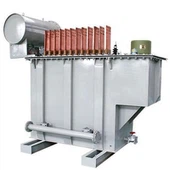
Let's be real-global electricity demand isn't slowing down anytime soon. And as the grid gets more complex, so do the systems that keep it running. Whether you're dealing with a massive industrial facility, a renewable energy project, a data center that never sleeps, or just trying to keep a commercial building powered up-you need power delivery that's rock-solid. And right at the heart of it all? The electrical substation transformer solution. That's the unsung hero that makes sure voltage gets bumped up or down safely so power actually gets where it needs to go.
But here's the thing: a real substation transformer solution isn't just about plopping a transformer on a pad and calling it a day. It's a whole engineering package-covering everything from picking the right unit and voltage setup, to cooling, protection, monitoring, installation, and years of maintenance down the road.

For utilities and heavy industrial users, picking the right partner matters. A lot. That's where Jiangsu Yawei Transformer Co., Ltd. comes in-they build custom solutions for substations, renewables, industrial systems, and utility projects around the globe.
So, What Exactly Is an Electrical Substation Transformer Solution?
In plain English: it's a complete transformer-based system inside a substation that keeps voltage levels in check and makes the whole grid more reliable.
Power plants generate electricity at high voltages-it's more efficient for long-haul transmission. But before that power ever hits your outlets, it has to be stepped down at a substation. That's the transformer's job.
A typical substation setup includes:
| Component | What It Does |
|---|---|
| Power transformer | Bumps voltage up or down between transmission and distribution levels |
| On-load tap changer (OLTC) | Tweaks voltage while the system is live |
| Bushings | Provide insulated electrical connections in and out |
| Cooling system | Keeps the transformer from overheating |
| Protection devices | Prevents damage from faults or weird conditions |
| Monitoring system | Tracks performance and health in real time |
| Switchgear integration | Lets you safely switch and isolate circuits |
This isn't like buying a standard transformer off a shelf. A real solution looks at the whole electrical ecosystem-ensuring compatibility, reliability, and room to grow.
Why Should You Care About Substation Transformers?
Simple: without them, the grid falls apart. No joke.
They Make Voltage Conversion Possible
The whole point of a substation transformer is voltage transformation. Take a look:
High-voltage transmission: 110kV, 220kV, 330kV, 500kV
Medium-voltage distribution: 10kV, 20kV, 35kV
Industrial setups: 6.6kV, 11kV, 13.8kV, 33kV
Get the voltage right, and you cut transmission losses big time. Get it wrong? You're wasting energy and money.
They're Critical for Renewables
Solar and wind farms can't just plug into the grid directly. They need transformers to step up that generated voltage so it plays nice with the transmission network.
Here's a typical flow:
Solar Panels → Inverters → Medium Voltage Transformer → Collector System → Substation Transformer → Transmission Grid

For wind farms, step-up transformers boost generator output so power can travel efficiently. A good electrical substation transformer solution helps renewable projects with:
Smooth grid connection
Lower power losses
Tighter voltage regulation
Better overall reliability

Industrial Sites Depend on Them
Heavy hitters like steel mills, mines, chemical plants, oil and gas facilities, data centers, and semiconductor fabs all need dedicated substations. They're power-hungry and can't afford downtime.
These applications demand transformers with:
High efficiency
24/7 operational capability
Solid overload performance
Advanced protection systems
Types of Substation Transformer Solutions – Which One Fits?
Not all transformers are created equal. Different jobs call for different designs.
Oil-Immersed Substation Transformer Solution
These are the workhorses of utility substations.  Oil does double duty-cooling and insulating.
Pros:
High power capacity
Excellent heat dissipation
Long service life
Built for outdoor installation
Common uses:
Transmission substations
Utility distribution substations
Renewable energy substations
Popular cooling types: ONAN, ONAF, OFAF
Dry-Type Substation Transformer Solution
These use air or solid insulation instead of oil. They're a safer bet indoors or where environmental concerns are top of mind.
Pros:
No oil leaks to worry about
Lower fire risk
Great for indoor settings
Less maintenance hassle
Where they shine:
Commercial buildings
Hospitals
Data centers
Airports
Underground substations
Common types: Cast resin and VPI (vacuum pressure impregnated) dry-type transformers.
Key Design Factors – What Really Matters
A good transformer solution isn't just about picking a big box with wires. Engineering matters.
Voltage Rating
This has to match your system exactly. For example:
| Application | Typical Transformer Rating |
|---|---|
| Distribution substation | 35kV / 10kV |
| Industrial substation | 110kV / 35kV |
| Transmission substation | 220kV / 110kV |
| Renewable substation | 35kV / 110kV |
Pick the wrong voltage, and you'll fight efficiency issues and instability forever.
Capacity (kVA/MVA)
Sizing is one of the most critical steps. You have to consider:
Future expansion
Motor starting surges
Renewable output fluctuations
Typical capacities range from 500kVA all the way up to 100MVA+.

Efficiency & Losses
Every watt lost is money down the drain. A top-tier solution focuses on:
No-load losses – from core excitation and material properties
Load losses – from copper resistance in windings
Modern transformers use high-grade silicon steel cores and optimized windings to keep losses low.
Protection & Monitoring

A reliable substation needs solid protection. That means:
Differential protection
Temperature monitoring
Advanced systems go further-providing real-time data on temperature, load, fault warnings, and even predictive maintenance insights.
Substation Transformer Solutions for Data Centers
With AI and cloud computing exploding, data centers are under pressure to stay up 24/7/365. They need:
High power density
Rock-steady voltage
Low harmonic distortion
A customized substation transformer solution helps them achieve:
Reliable grid connection
Better energy efficiency
Less downtime risk
Scalability for future growth
Typical setup:
Utility Grid → Substation Transformer → MV Switchgear → UPS → PDU → IT Racks
Transformer selection here has to account for UPS compatibility, harmonic currents, cooling needs, and redundancy.
Custom Solutions from YaWei Transformer – Built for Your Project
No two power projects are exactly alike. Off-the-shelf transformers often won't cut it when you're dealing with unique voltage levels, tight spaces, or harsh environments.
YaWei Transformer offers tailored solutions, including:
Engineering Design – based on system voltage, capacity, site conditions, space, and efficiency goals.
Manufacturing Capability – they produce oil-immersed power transformers, distribution transformers, dry-types, pad-mounted, renewable energy transformers, and custom substation units.
Quality Control – because reliability starts at the factory. Standard tests include:
Winding resistance
Ratio test
Insulation resistance
No-load and load loss tests
Dielectric strength
Temperature rise
How to Choose the Right Electrical Substation Transformer Solution
Before you commit to a supplier, ask yourself:
What are my project specs? – Voltage, capacity, environment, load profile.
Which transformer type fits? – Oil-filled, dry-type, or something customized.
What standards apply? – IEC, IEEE, local grid codes.
Who's the supplier? – Look for real engineering support, solid manufacturing, testing, and after-sales backup.
What's Next? Future Trends in Substation Transformer Solutions
The industry is shifting fast. Here's what's coming:
Smart Transformers – with digital sensors, remote monitoring, and condition assessment built in.
Higher Efficiency – lower losses, better materials, greener designs.
Renewables Focus – more solutions tailored for solar, wind, and battery storage systems.
AI Maintenance – predictive analytics for insulation aging, overheating, and failure risks.
Wrapping It Up
An electrical substation transformer solution is way more than a piece of equipment-it's a complete power engineering system designed to keep the lights on, the motors running, and the data flowing. Whether it's a utility grid, a wind farm, an industrial complex, or a hyper-scale data center, the right transformer solution is non-negotiable for power quality and stability.
With solid engineering, custom manufacturing, and tight quality control, YaWei Transformer delivers solutions that fit real-world energy needs-no cookie-cutter approaches.
Looking for a custom electrical substation transformer solution? Reach out to YaWei Transformer for professional design and manufacturing support. They speak the language of power.
FAQ
Q: How soon can you delivery the transformer?
A: It depends on the quantity and capacity of the transformer, normally within one month since the date drawing confirmed by buyer.
Q: How long can you provide the quality warranty?
A: 24 months since the date transformer operated.
Q: What payment method do you accept?
A: T/T (wire transfer) preferred, L/C both accepted.